Ian Anderson discusses Jethro Tull’s enduring legacy
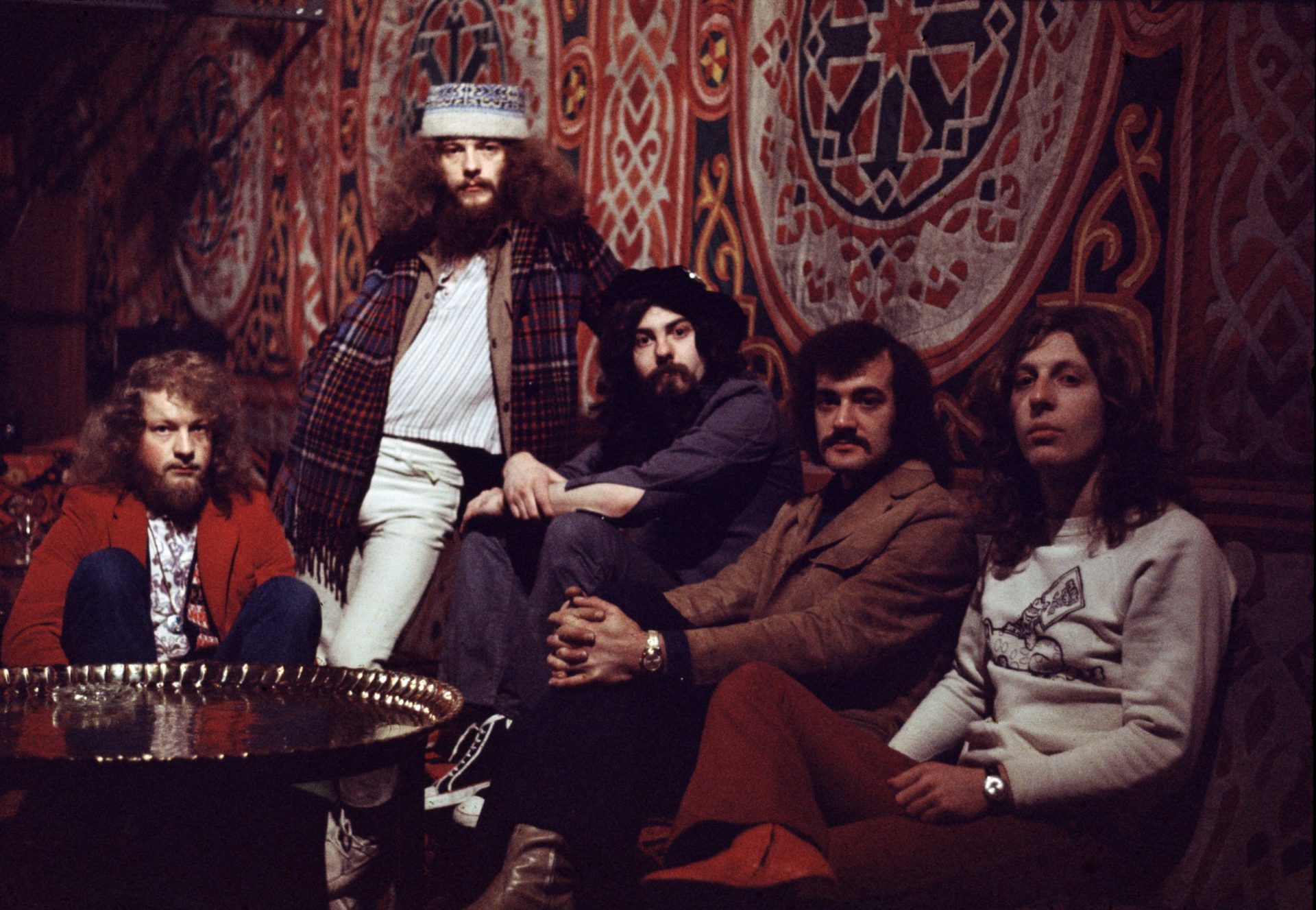
Ian Anderson, the frontman of Jethro Tull, famously declined an invitation to perform at Woodstock in 1969, citing a preference for avoiding “naked hippies.” His reticence highlights a long-standing inclination to carve a distinct path in the music industry, focusing solely on his craft without the traditional rock star excess, reports BritPanorama.
This unconventional approach is reflective of Anderson’s character. While many of his contemporaries participated in the rock ’n’ roll lifestyle of sex and drugs, Anderson remained dedicated to his music. His on-stage performances are memorable for their theatricality, yet he maintains a thoughtful and occasionally prickly demeanor in interviews.
His decision to forgo Woodstock was strategic. Anderson noted, “We would have been stereotyped as a Woodstock band,” pointing to the case of Ten Years After, a group he believes became typecast after their appearance. Rejecting such labels allowed Jethro Tull to forge a long and varied career, amassing No 1 albums in both the UK and US while exploring different musical styles from folk to hard rock.
Throughout their history, Jethro Tull has been characterized by complex compositions and unconventional lyrics, distinguishing them from more commercial rock acts. Anderson aims to evoke visual scenes in his work, stating, “I’m not a storyteller, but a scene setter.” This distinctive musical identity has cultivated a dedicated fanbase, which includes notable musicians like Johnny Rotten and Eddie Vedder.
Despite this diversity, Tull’s audience hasn’t always conformed to the mainstream rock demographic. Prog rock veteran Derek Shulman described their concerts as attended predominantly by men, with few female attendees. In a somewhat humorous observation, author Jeffrey Eugenides compared the experience of being a Tull fan to a “chronic condition,” revealing a sense of secretive pride.
Anderson’s solitary nature is evident in his management of the band. Over the decades, he has remained the sole constant in a fluctuating lineup, with countless musicians passing through. Although he acknowledges that his choice to avoid drugs has led to a feeling of isolation, he expresses no regrets and reflects on the fate of some of his peers consumed by addiction.
Jethro Tull’s early performances alongside iconic bands such as The Rolling Stones and Jimi Hendrix are noted, with Anderson reflecting on the tragic fates many of those artists suffered. Losing friends like Cream’s bassist Jack Bruce to health issues from substance abuse reinforces Anderson’s commitment to a different lifestyle.
Now at 78 years old, Anderson remains in good health and continues to engage in music-making and performance. He has formed friendships with other artists who have shifted from rebellious lifestyles to more respectable roles, noting with a laugh the pleasure of guiding such “bad boys” back to more civilized pursuits.
Despite his fame, Anderson admits to having attended only a few concerts in his lifetime, pointing to a disconnect between his public persona and personal preferences. This year, his tour commitments will extend until November, with plans for a new album coinciding with his 80th birthday in 2027, which will also mark Jethro Tull’s 60th anniversary.
In persisting with his career, Anderson exemplifies the adage, “You’re never too old to rock and roll, if you’re too young to die.” As his recent health evaluations confirm, he remains very much alive and ready to continue his journey in music.
Jethro Tull’s UK tour starts on 19 April.