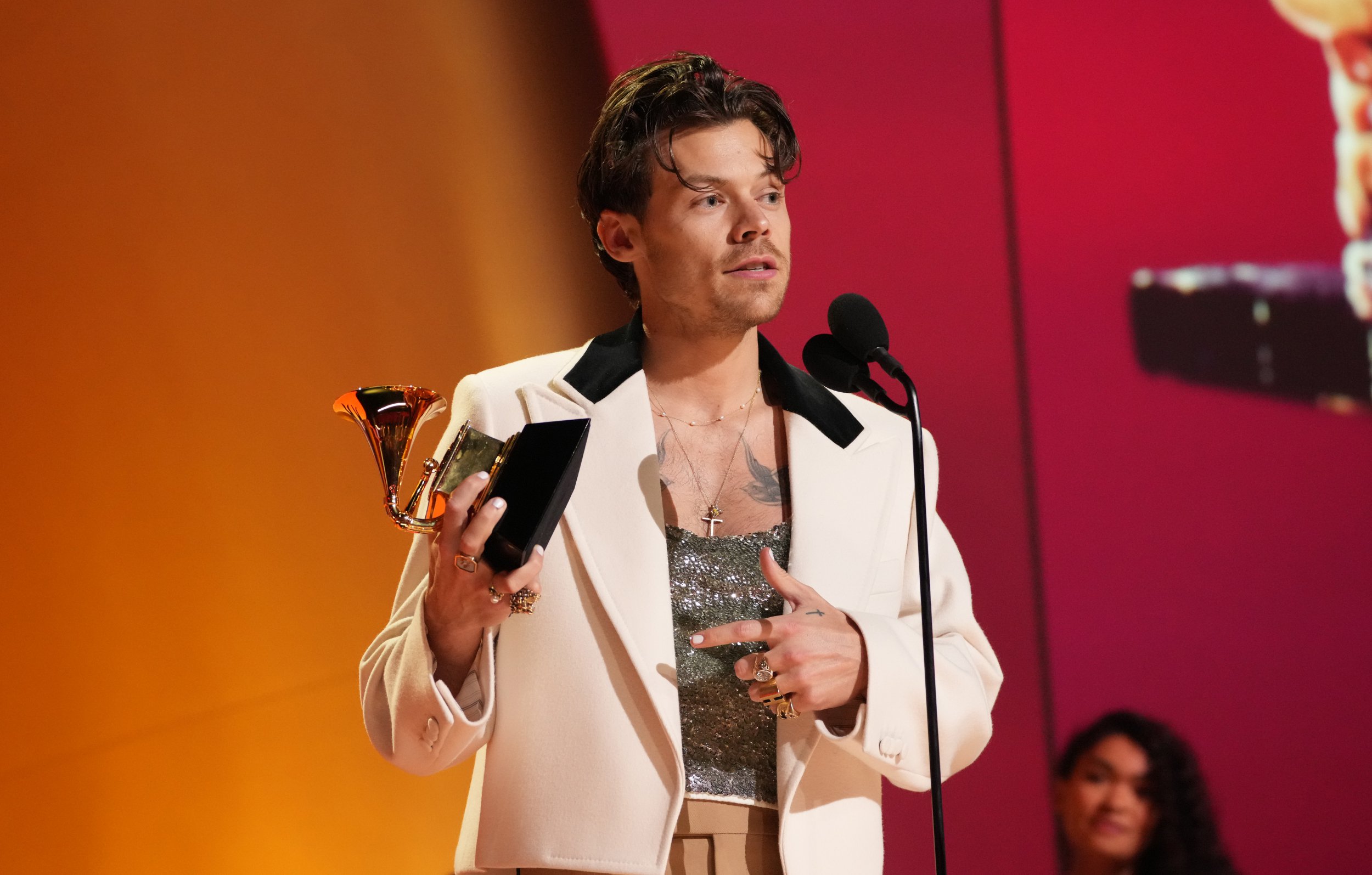
Harry Styles breaks presale records for upcoming tour
Harry Styles has achieved a remarkable milestone with the presale for his upcoming tour, garnering 11.5 million registrations for tickets to his 30-night residency at Madison Square Garden in New York. This figure, reported by Ticketmaster, represents the largest artist presale registration performance ever recorded for a single market or residency-style run, reports BritPanorama.
The demand for seated tickets during his 12-show run at Wembley Stadium has stirred controversy due to their high prices, ranging from £44 to £466, with general sales commencing today. This surge in ticket prices has fueled discussions about the increasing costs of attending concerts, raising questions about the value of such experiences.
While conversations focus heavily on ticket prices, less attention is paid to the underlying reasons for attending a Harry Styles concert. His appeal is undeniably based on his charismatic stage presence and public persona. However, when it comes to the music itself, Styles faces criticism regarding the depth and originality of his songs.
Despite his previous successes, including hits like “Sign of the Times” and “Watermelon Sugar,” Styles’ new single “Aperture” has received mixed reviews. While some describe it as pleasantly engaging, others argue it lacks the musical depth expected from a leading pop artist. The accompanying music video has been praised for its creative elements, although the overall reception of the song leaves room for debate.
Interestingly, Styles’ career is supported by a loyal fanbase largely cultivated during his time in One Direction. Fans range from young girls seeking an idol to women of various ages appreciating his style and persona. This dynamic has remained stable even as Styles’ music has evolved to reflect changing trends within the industry.
However, it is noteworthy that male artists often receive different treatment than their female counterparts. Women in pop are frequently held to rigorous standards, facing intense scrutiny and criticism for their work, which raises questions about the inequality in the industry. Styles, meanwhile, appears to maintain a certain leniency regarding his artistic output that seems largely shaped by his gender and public image.
The dynamics at play are complex, as Styles navigates an industry increasingly influenced by female artists. While he presents a positive public image as a kind and progressive male role model, the inconsistency in how male and female artists are critiqued invites further examination. As Styles continues to resonate with audiences, the conversation around his music and its reception remains pertinent, necessitating a more balanced evaluation of artistic merit across the board.