Celebrity MasterChef introduces new dynamics amid significant changes
The latest series of Celebrity MasterChef has hit screens amid controversy following the sacking of John Torode, reportedly a consequence of the previous BBC director-general’s actions. Torode’s departure comes as allegations concerning his conduct have surfaced, yet he continues to feature in the pre-recorded episodes of the show, reports BritPanorama.
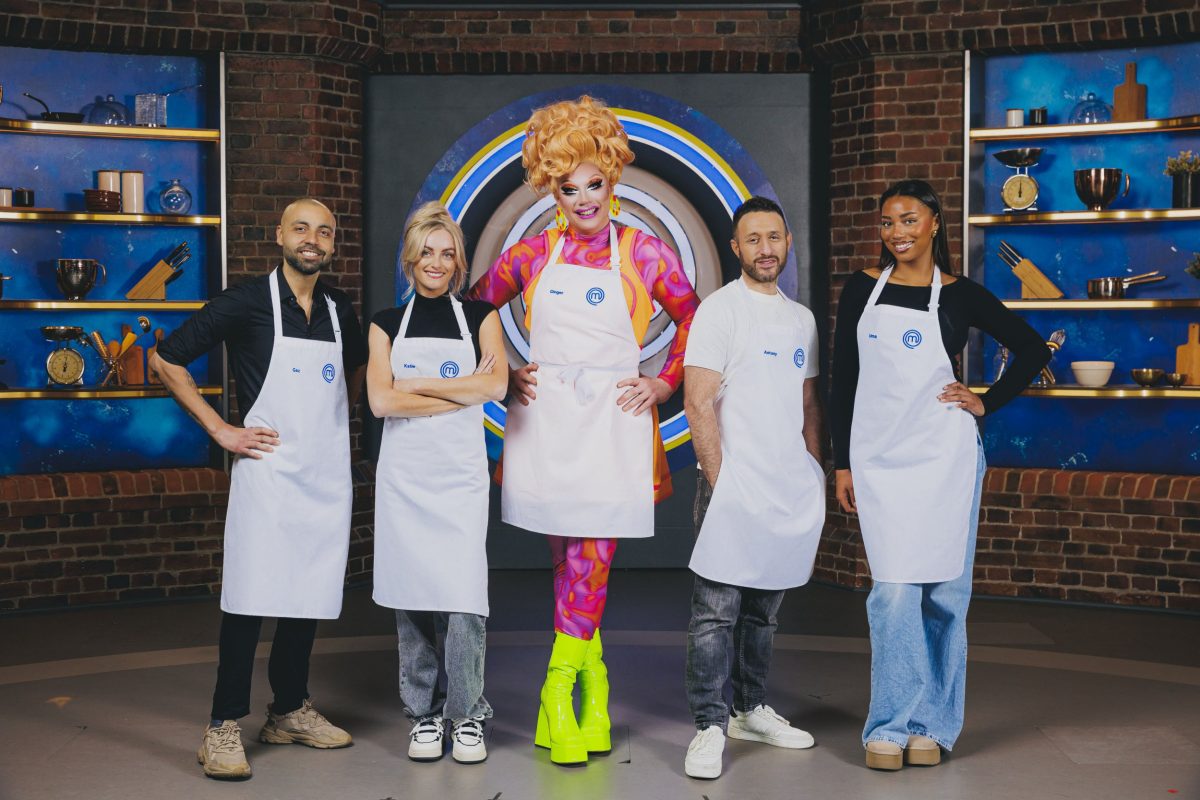
The new series, filmed prior to Torode’s dismissal, showcases contestants including Antony Costa, Gaz Choudhry, Kate McGlynn, Ginger Johnson, and Uma Jammeh. Notably, it also marks the debut of Grace Dent as the replacement for Gregg Wallace, who was also removed from the show under similar circumstances. Dent’s approach contrasts sharply with her predecessor’s, setting a different tone for the programme.
Despite the turbulence behind the scenes, the series aims for a fresh start with Dent and a technologically upgraded MasterChef HQ in Birmingham. However, with Torode’s future uncertain, viewers are left contemplating when a true new era might begin, especially with Irish chef Anna Haugh slated to join Dent next year as co-presenter.
Dent, who has previously appeared as a guest critic, acknowledged her surprise at taking over Wallace’s role, though she seems to have seamlessly stepped into the position. She brings a softer presentation style, that might resonate differently with audiences. In her debut, she offered enthusiastic encouragement to contestants while also providing light critiques, showcasing a more supportive environment compared to Wallace’s more combative criticisms.
While the cookery competitions continue to follow familiar patterns, the introduction of a taste-test round adds a new twist. Contestants are blindfolded and must identify various foods for a chance to gain an advantage. Yet, even this innovative challenge could not save Costa from producing the least successful dish of the episode.
The dynamics between Torode and Dent remain largely untested, as they appear infrequently together on screen. This lack of interaction somewhat diminishes the viewer’s ability to assess their chemistry, yet the programme persists without the previous anchors of the show’s legacy. As the series progresses, audiences may reflect on the irony of Torode’s earlier assurance to contestants that they were “safe for now,” hinting at the uncertainties that lie ahead.