Modern Take on Wodehouse’s Classics Unveils in ‘Jeeves Again’
In a striking revival of P.G. Wodehouse’s beloved characters, Bertie Wooster and his astute manservant Jeeves emerge into the 21st century after a century-long cryogenic sleep. The duo awakens to a bewildering new world, where concepts like “Wellness Centres” and “Vape Heavens” dominate the landscape, reflecting a society drastically altered from their Edwardian roots, reports BritPanorama.
In the opening story, “The Icebreaker” by Frank Skinner, Jeeves adeptly navigates the confusion faced by Wooster. As they adapt to their dramatically changed surroundings, they witness a mugging and spring into action, setting the tone for a modern reimagining of classic narratives that resonates with contemporary readers.
Wodehouse’s characters have left an indelible mark on British culture, with their influence evident in modern depictions of the English gentleman, from the likes of Carson in Downton Abbey to Hugh Grant’s hapless romantic leads. Despite the passage of time, the essence of Wooster as a clueless aristocrat persists, demonstrating his ongoing relevance despite evolving social norms.
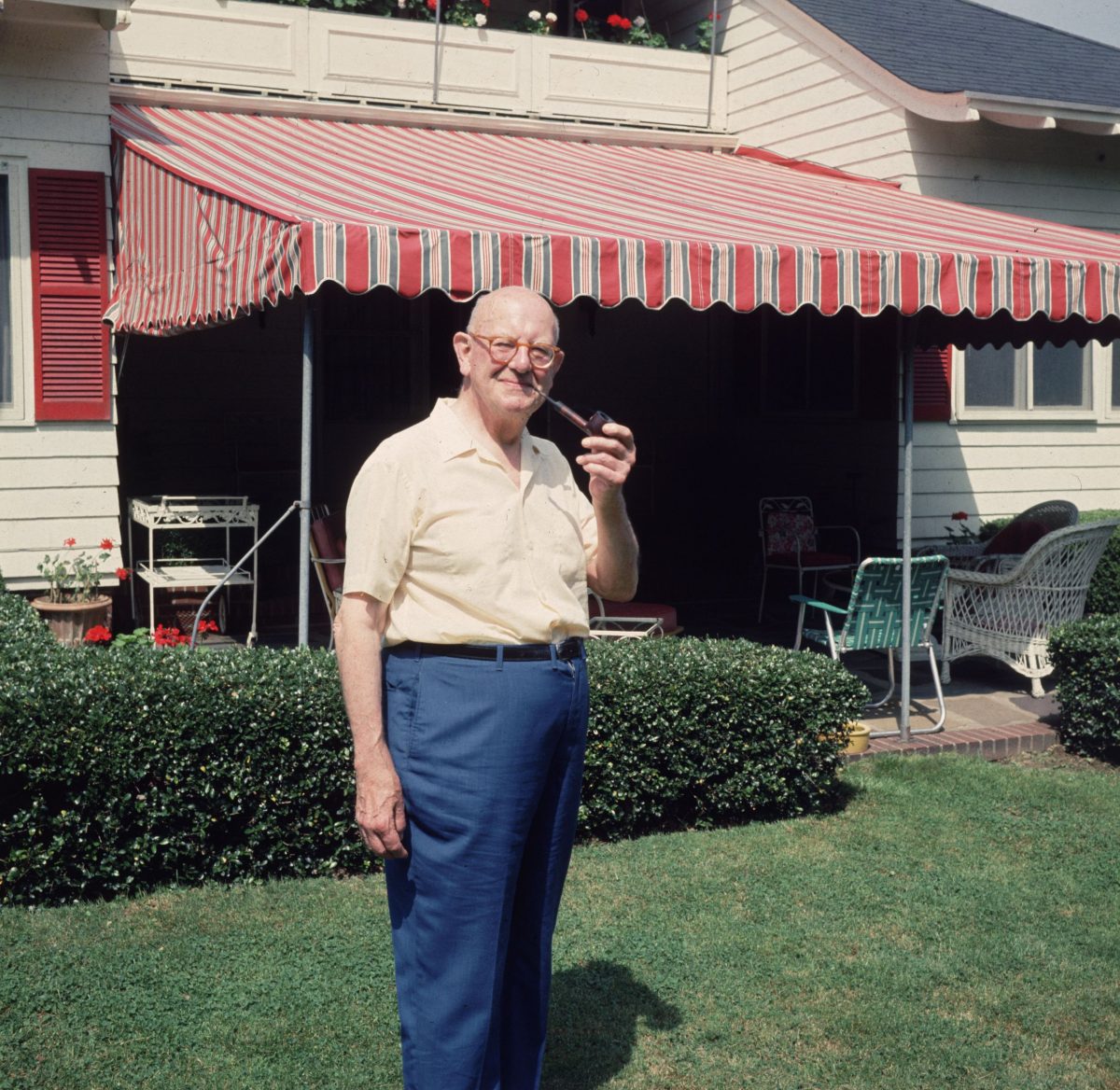
Born in 1881, Pelham Grenville Wodehouse faced early criticism for his unconventional wit, yet he crafted a literary legacy that includes over 90 books and iconic characters like Wooster and Jeeves. Their dynamic—Wooster’s frivolity balanced by Jeeves’ razor-sharp intelligence—has endured, mirroring societal changes while subtly critiquing class dynamics.
In Jeeves Again, twelve authors pay homage to Wodehouse’s legacy while bringing these characters into modern contexts. Skinner’s opening tale, though not particularly plot-heavy, maintains a comedic touch reminiscent of Wodehouse’s works, as Wooster grapples with the absurdity of a smartphone theft.
Contributions from Alan Titchmarsh and Andrew Hunter Murray further explore these characters: Titchmarsh introduces a fresh perspective, while Murray’s version features a self-driving car as a contemporary Jeeves, showcasing Wooster’s surprising adaptability to new technologies.
Roddy Doyle’s comedic narrative also ignites interest, presenting a lottery winner and his butler, Jeeves, engaging in humorous exchanges that blend modern references with classic literary quotes. This interplay raises questions about the relationship between Wooster and Jeeves, diving deeper into character complexities often overlooked in the original tales.
Historian Dominic Sandbrook envisions a politically charged Spode in the 1970s, humorously positioning him among contemporary public figures, highlighting the continued relevance of Wodehouse’s satire in today’s political landscape.
While some stories mimic the original tone, others, like Scarlett Curtis’s portrayal of Aunt Agatha, add depth by exploring familial dynamics and addressing darker themes within the comedic framework.
Jeeves Again successfully pays tribute to a literary giant while showcasing the versatility of Wodehouse’s characters. With its mix of fun and thoughtfulness, the collection stands as a testament to the enduring charm of Wodehouse, suggesting he remains a cultural touchstone rather than a relic of the past.
‘Jeeves Again: Twelve New Stories from the World of PG Wodehouse’ (Hutchinson Heinemann, £22) is out now