Reflecting on the legacy of ‘The Good Life’
As ‘The Good Life: Inside Out’ airs on U&Gold, the iconic sitcom continues to resonate with audiences, reflecting on themes of love, self-sufficiency, and societal norms, reports BritPanorama.
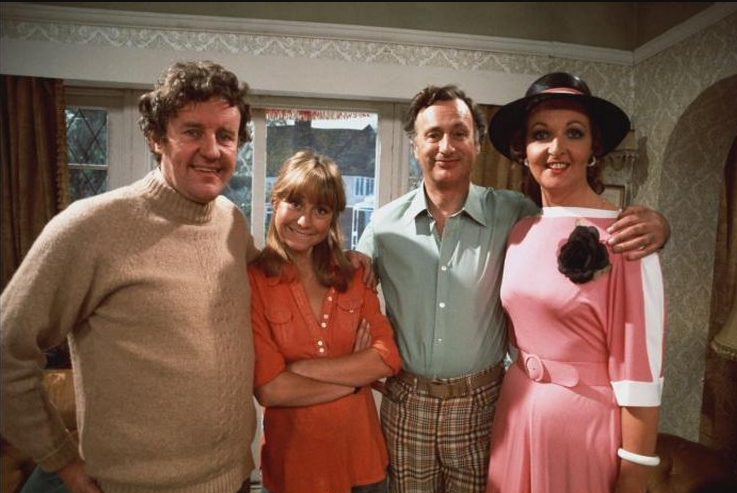
Originally broadcast in 1975, ‘The Good Life’ featured characters Tom and Barbara Good, played by Richard Briers and Felicity Kendal, along with their neighbours Margo and Jerry Leadbetter (Penelope Keith and Paul Eddington). The show’s narrative focused on Tom’s midlife crisis and his decision to abandon traditional career paths to pursue a self-sufficient lifestyle, a bold stance for its time.
Star Felicity Kendal highlighted the show’s deeper messages during an interview, stating, “It foresaw this global change where people were no longer thinking that the only important thing in life was to have a job, a mortgage and a pension.” This perspective reflects a shift in societal values, resonating throughout the decades, especially as current dialogues around sustainability and self-reliance gain traction.
The sitcom’s charming portrayal of two couples navigating life showcased relatable dynamics amid comedic circumstances. Its depiction of suburbia, notably through the contrasting lifestyles of the Good and Leadbetter households, provided a nuanced exploration of class and aspiration.
Despite its light-hearted appearance, critics and viewers alike noted the show’s capacity to address fundamental societal issues. “It dared to show suburbia as quite a lonely place…and that opting out of the rat race was a viable option,” reflected Samira Ahmed, host of BBC Radio 4’s ‘Front Row’. The show’s rich character development often transcended simple comedic tropes, provoking thought on gender roles and social expectations of the era.
However, scrutiny of ‘The Good Life’ has also emerged in contemporary discourse, particularly concerning the character of Tom Good, with some narratives branding him a representation of toxic masculinity. Richard Briers himself acknowledged this perspective, admitting reservations about the character’s portrayal. “I never liked Tom,” he remarked previously. Kendal, however, defended the character’s complexity, stating, “It wasn’t a documentary, it was a comedy…Barbara was positive, and practical, and totally in love with her partner.”
After a successful four-season run, the series concluded in 1977 but left a lasting impact. A notable highlight came in 1978 when the cast reunited for a Royal Command Performance at the behest of the Queen, underscoring the show’s cultural significance. Kendal described the experience as “thrilling,” reflecting the cast’s commitment to delivering a flawless performance for such an esteemed audience.
While subsequent generations of comedy have emerged, including distinct shifts towards alternative and politically charged narratives, ‘The Good Life’ remains an enduring reference point. Richard Edmondson noted the series’ resilience in contemporary discussions about British sitcoms, asserting, “’The Good Life’ stands up better [than ‘The Young Ones’].”
Despite her illustrious career in television and theatre, Kendal’s role as Barbara Good endures in the public consciousness. As she fondly reminisces, “I haven’t worn those [dungarees] in, oh, at least 50 years.” The show’s blend of wit, charm, and a profound exploration of living authentically continues to captivate audiences, ensuring its place in the annals of British television history.
‘The Good Life: Inside Out’ airs tonight at 9pm, and the original series is available to stream on BBC iPlayer.