Israel’s participation clouds Eurovision Song Contest as countries withdraw
The ongoing controversy surrounding Israel’s participation in the Eurovision Song Contest has prompted significant backlash, resulting in the withdrawal of Spain, Ireland, the Netherlands, and Slovenia from next year’s event. This dispute has raised questions about the cultural integrity of an occasion once celebrated for its vibrancy and eclectic performances, reports BritPanorama.
The Eurovision Song Contest has historically transcended musical boundaries, embracing the entire spectrum of expression and creativity. However, the current political climate has dimmed the event’s celebratory spirit. The recent withdrawals signal a schism in the Eurovision community, reminiscent of past political boycotts, reinforcing the notion that the competition is increasingly entangled with global political issues.
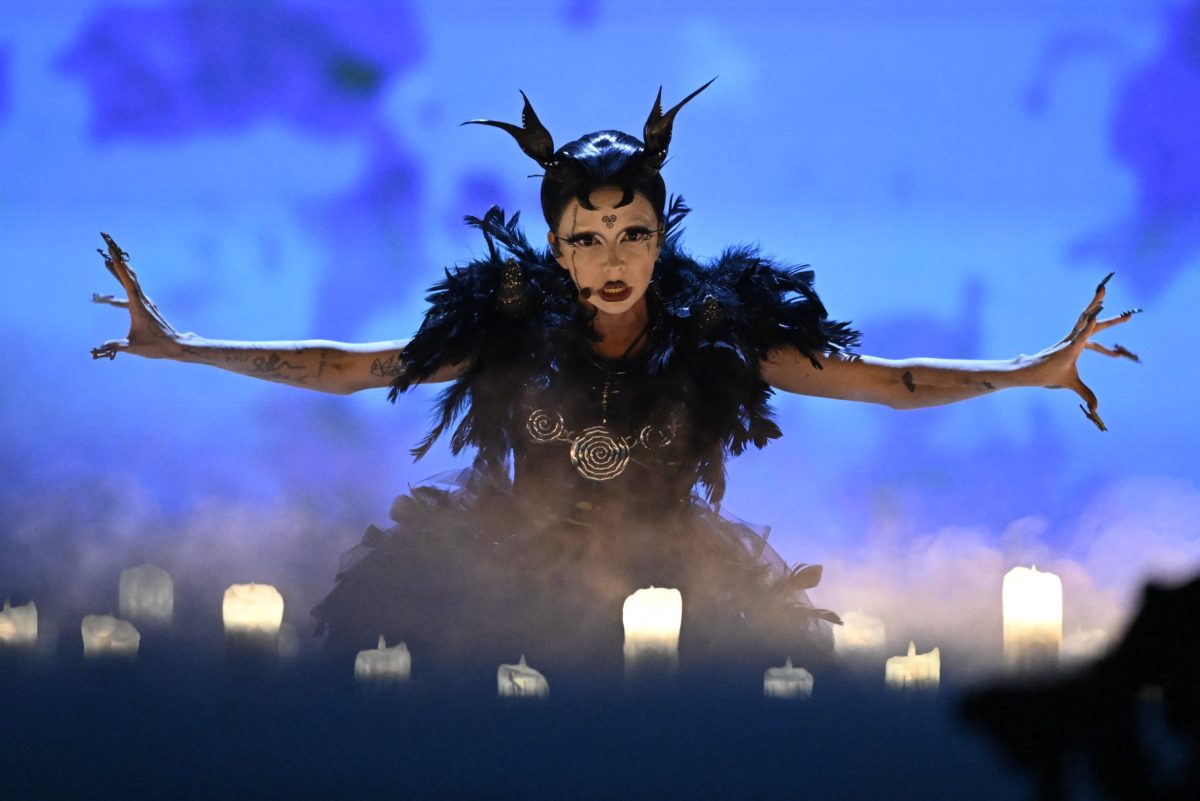
Controversies regarding Israel’s role in Eurovision have escalated, following complaints from competitors like the Irish singer Bambi Thug about the conduct of the Israeli delegation in previous years. In response, the European Broadcasting Union (EBU) implemented new “fair play” regulations, aimed at addressing these grievances and restoring integrity to the competition.
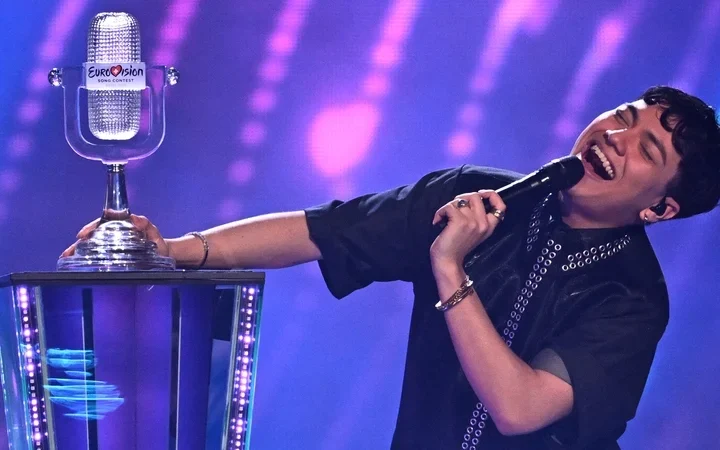
Israel’s entry for 2025, “New Day Will Rise” performed by Yuval Raphael, garnered substantial votes across Europe. Critics assert that political sentiments, rather than musical merit, influenced the voting patterns, reflecting a departure from the competition’s traditional focus on entertainment. As political tensions have risen, the magic of Eurovision has started to fade, replaced by stark realities that challenge its foundational ethos.
The EBU confirmed Israel’s participation for the Vienna contest in May 2026, leading to further escalations. Following this decision, Germany and Austria announced their intent to boycott if Israel were excluded, representing a growing divide that threatens the future of the contest.
Eurovision has navigated political challenges before, including historical boycotts by the U.S. and the Soviet Union during the Cold War. This current situation echoes past instances where politics overshadowed cultural events, such as the recent FIFA World Cup, marred by controversies over Qatar’s human rights record. In Eurovision’s past, Georgia withdrew after the EBU blocked its anti-Putin entry, showcasing the event’s long-standing intersection with global issues.
The implications of this latest rift are significant. Spain holds a crucial position as one of the Eurovision Big Five and a dedicated fanbase. Similarly, Ireland and the Netherlands have historically brought strong performances to the competition, while Slovenia’s participation symbolizes Eurovision’s expansion beyond Western Europe. The departure of these nations is unlikely to be the end of the fallout, with other countries potentially following suit and the scrutiny on organisations like the BBC intensifying.
The pressures faced by representatives are also likely to escalate. Previous contestants, such as Olly Alexander, found themselves navigating complex political landscapes while aiming to compete. As the tensions mount, participants in the upcoming competitions will be faced with difficult choices, effectively transforming the Eurovision experience into a contentious battle over political representation.
As the Eurovision Song Contest adapts to changing dynamics, its essence faces challenges that question its viability as a space for joy and entertainment. The contest now stands at a crossroads, with uncertain repercussions for its future as countries grapple with pressing global issues and what it means to represent their cultures on such a prominent stage.