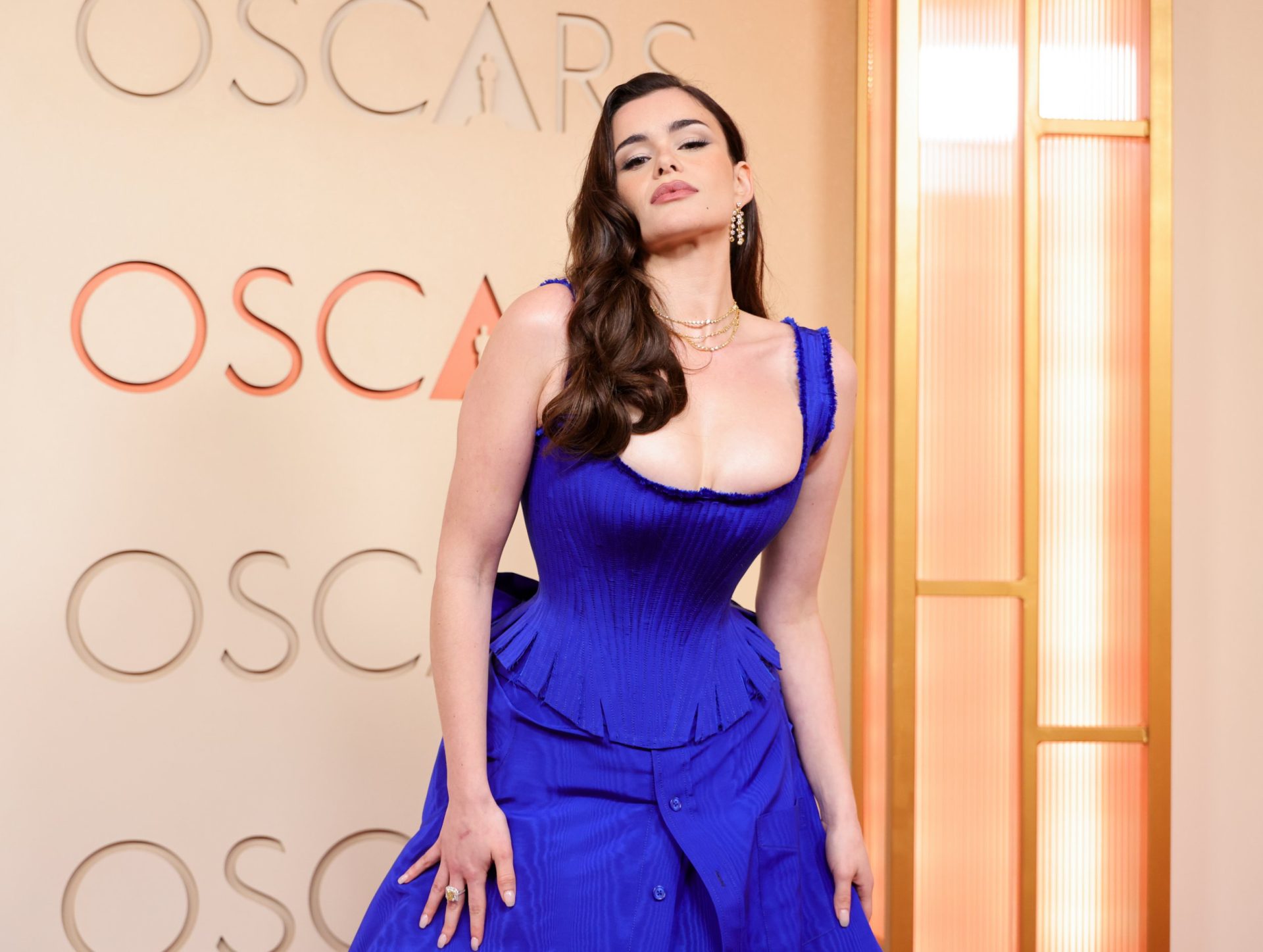
Oscars red carpet showcases troubling trend of celebrity thinness
Amidst the glitz of the Oscars red carpet, a noticeable trend in celebrity body image resurfaced, with many actresses appearing increasingly slim. The striking visuals from the event have sparked discussions about the implications of this shift in body portrayal within Hollywood, reports BritPanorama.
Notably, numerous female stars, from Nicole Kidman to Emma Stone, showcased an alarming thinness that some observers believe is beyond mere trends. This year’s attendees displayed stark body features—jagged shoulders, hollow cheeks, and spindly elbows—all of which diverted attention from the glamour typically associated with haute couture.
This growing trend was reflected across the board, impacting even those actresses who were previously perceived to maintain average body weights, such as Barbie Ferreira and Melissa McCarthy, now appearing thinner than in previous appearances.
The link between this surge in celebrity thinness and the rising popularity of weight-loss drugs, such as Ozempic and other GLP-1 injections, poses troubling questions. Initially intended for individuals whose weight compromises health, these drugs have become widely accepted in Hollywood as a quick solution for achieving thinner physiques, expanding their usage beyond medical necessity.
The Oscars event thus underscores a competitive atmosphere among celebrities regarding body image, reminiscent of past cultural phenomena that celebrated weight loss as a sign of success. This narrative fosters a corrosive culture wherein thinness is idealized and pursued.
For many women, including those growing up during the early 2000s, the stark realities of size and body image have led to ongoing struggles with body dysmorphia exacerbated by celebrity standards. Today’s leading figures, while often seen as trendsetters, find themselves ensnared in a perilous cycle that perpetuates harmful beauty ideals.
This ongoing trend of extreme thinness delineates a troubling crossroads for mental health, particularly for younger audiences influenced by pervasive media imagery. The visibility of actresses like Emma Stone may not just depict fashion choices but also risks normalizing unhealthy body standards.
Addressing the complex interplay of celebrity culture and body image remains imperative. While the dialogues surrounding these issues may be fraught, it is essential for society to engage in candid conversations about the impacts of these portrayals on mental health and self-image, ensuring that discussions of body diversity become part of the larger narrative.