Channel 4’s Dirty Business highlights water companies’ negligence
The new Channel 4 series Dirty Business brings to light the negligence of water companies in the UK, framing their actions as deeply consequential for public health, reports BritPanorama.
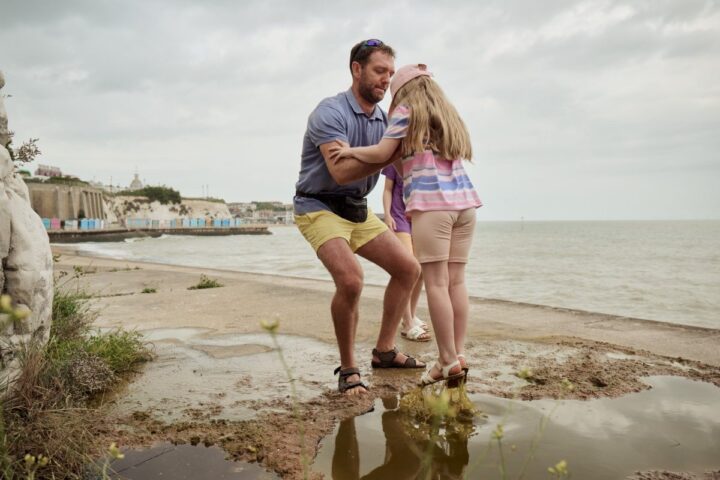
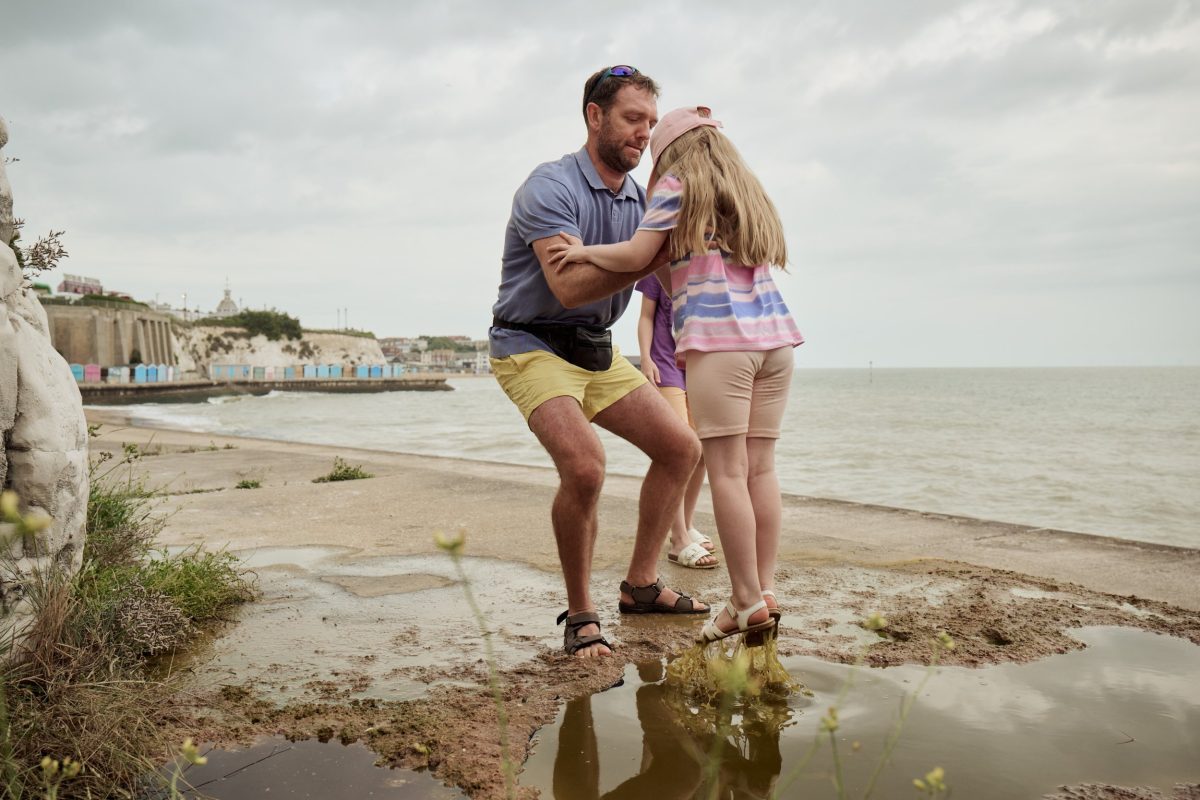
Set against the backdrop of a tragic incident in 1999, the series follows the story of Heather Preen, who contracted the pathogen E. coli O157 at the age of eight while playing on a beach in Devon, where sewage had been illegally discharged into the sea. Her death, which occurred two weeks later, was ruled a “death by misadventure” by a jury, despite the circumstances suggesting a significant failure in public health oversight.
Adding depth to the narrative, the series juxtaposes Heather’s story with the investigations by concerned residents Ashley Smith and Peter Hammond in 2016. They uncover severe breaches of safety protocols regarding the local river in the Cotswolds, revealing that wastewater treatment plants had discharged untreated sewage over 1,000 times in the nine years leading up to their investigation.
Smith, a former anti-corruption police detective, and Hammond, a computational scientist, employ data-driven analysis to implicate the water companies, stating, “This isn’t an accident. It’s a policy.” Their discoveries paint a picture of systematic negligence and a failure to enforce accountability.
Through a blend of dramatization and factual reporting, Dirty Business critiques the role of various stakeholders, including the Environment Agency and local councils, suggesting a collusion in maintaining the status quo in the face of environmental degradation. The portrayal of the Environment Agency’s operational self-monitoring policy raises questions about regulatory effectiveness when companies are left to report their own infractions.
While sewage spills typically do not anchor public outrage like more sensational crimes, the series aims to draw parallels with other injustices that have led to significant legal reforms. It invokes the memory of the Post Office Horizon scandal, which ignited public fury and prompted government action. The potential for Dirty Business to catalyse similar change remains uncertain, particularly as it implicates historical decisions, including former Prime Minister Margaret Thatcher’s privatization of the water industry in 1989. This has been suggested as a crucial factor in the ongoing issue of untreated sewage dumping, with calls for re-nationalisation, a strategy viewed as politically unpopular due to its substantial estimated costs.
The series makes impactful use of real-life footage, showcasing the severe consequences of water pollution, including images of discharges into rivers, supporting the assertion that such practices are not merely policy failures but public health risks. The juxtaposition of archival video clips of politicians repeatedly undermining regulatory frameworks adds a layer of frustration, illustrating a stark disconnection between political actions and environmental accountability.
Ultimately, Heather Preen’s story has been resurrected as a rallying point for awareness around water safety and corporate negligence. The portrayal of her family grappling with their loss, compounded by the indifference of institutions, evokes a narrative that is as compelling as it is infuriating. Dirty Business underscores that the ramifications of negligence extend beyond just polluted rivers and beaches; they threaten the very fabric of public health in the UK.
Made with meticulous detail and direct messaging, Dirty Business calls for a reckoning and demands attention in a landscape marked by corporate irresponsibility. However, whether it can spur tangible change remains an open question.
‘Dirty Business’ continues tonight at 9pm on Channel 4. The full series is streaming now.