Bridgerton misses opportunity for queer storytelling
The fourth season of Bridgerton has prompted new discussion around the series’ portrayal of LGBTQ+ narratives, as the character Benedict Bridgerton is positioned to lead a heterosexual romance, missing a critical chance to centre a queer love story, reports BritPanorama.
This season, the narrative focus shifts to Benedict, played by Luke Thompson, a character previously hinted to be bisexual. In the opening episode, he is indeed approached by a man, leading to a brief yet intimate moment. However, despite these indications, the series ultimately pivots to depict Benedict’s romantic connection with a woman, reinforcing traditional gender dynamics.
Benedict’s storyline unfolds in a familiar pattern for the series, aligning him with a romantic archetype rather than embracing the complexity of his bisexuality. The established plot points mirror those of previous lead characters, limiting the potential for rich, diverse storytelling.
While Bridgerton has included minor same-sex relationships in the background, such examples have not significantly influenced the broader narrative. A notable case is that of Brimsley, the Queen’s aide, whose character is revealed to have a same-sex relationship only through the prequel, Queen Charlotte.
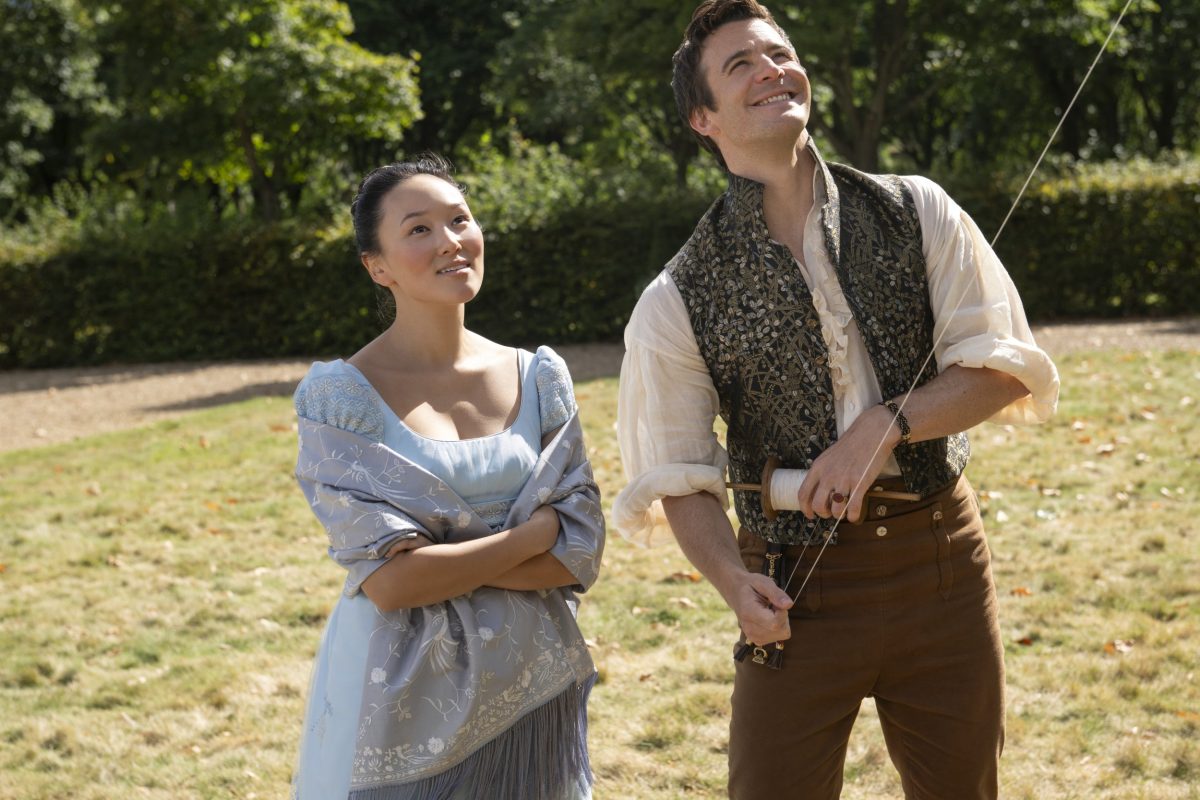
In this season, Benedict is tasked with embodying the “Prince Charming” role, as he falls for Sophie, a maid with a classic fairy-tale trajectory. This romantic plotline could have been reimagined to explore a male counterpart, challenging the show’s character conventions and enhancing representation.
Moreover, the series has previously shown willingness to deviate from the source material, as evidenced by gender-swapping characters like Michaela Stirling, suggesting a broader potential for inclusivity. Yet, the lack of a same-sex love story remains stark, raising questions about the creative choices behind these decisions.
While some may point to historical restrictions on LGBTQ+ expression in the Regency era as a reason for the absence of queer narratives, the world of Bridgerton itself is fantastical, allowing for a departure from strict adherence to historical precedent. The insistence on heterosexual romantic arcs stands in contrast to the show’s intention to present a modern, progressive narrative.
In conclusion, the disappointment stemming from Benedict’s conventional storyline highlights a larger issue within contemporary representations of LGBTQ+ relationships in popular media. The opportunity for a groundbreaking queer love story remains both viable and pressing within the context of Bridgerton, as the series continues to engage a diverse audience.
Bridgerton is streaming on Netflix