Behind the scenes of Mary Poppins: a classic fraught with challenges
Production of the beloved film Mary Poppins faced significant hurdles, from creator disputes to actor difficulties, ultimately leading to its successful release in August 1964, reports BritPanorama.
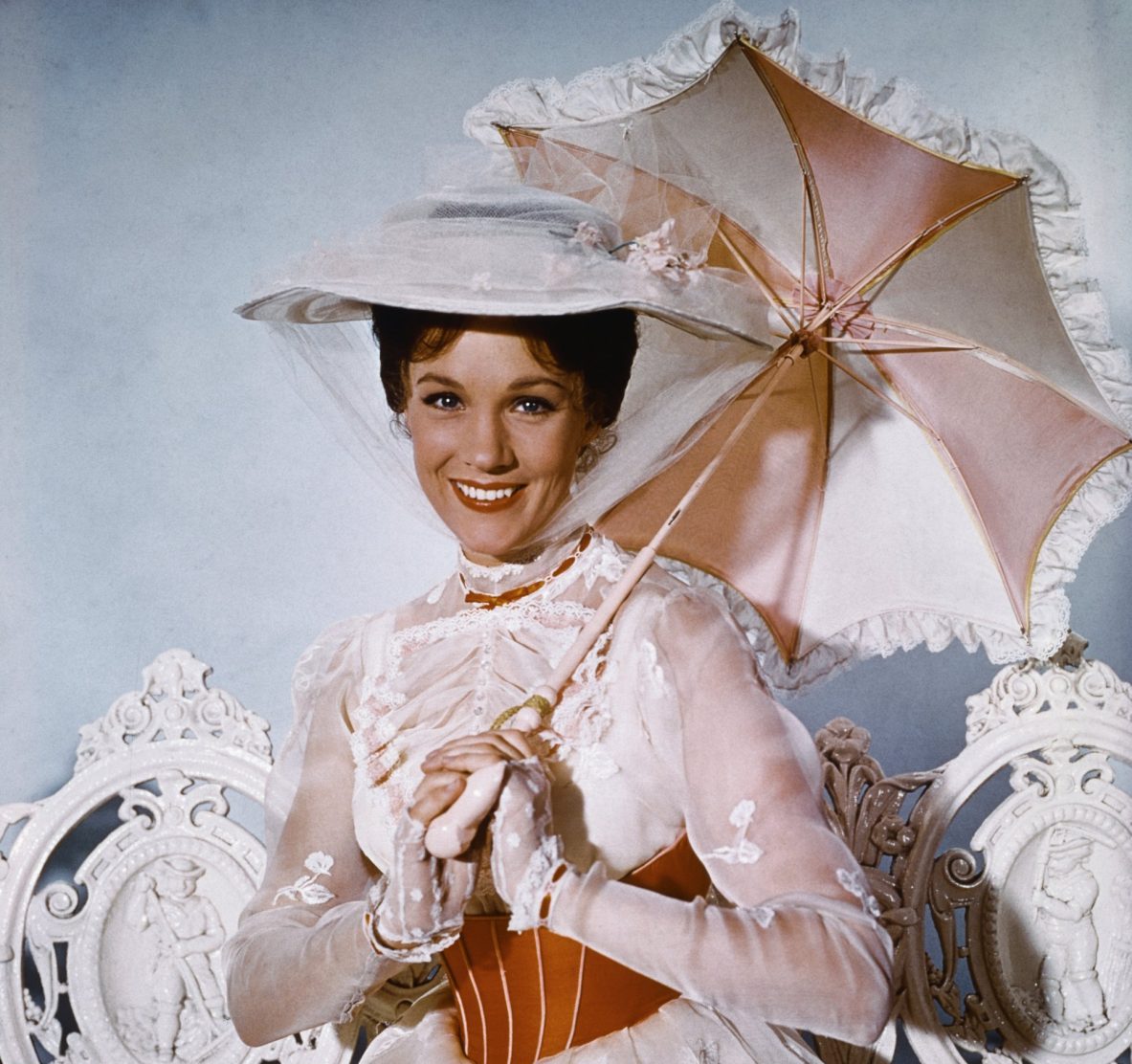
The film, centered on a magical nanny arriving in early 1900s London, is based on a series of books by Australian author P. L. Travers. While the final product is iconic, Travers initially resisted the adaptation and was unhappy with casting choices, particularly her objections to Dick Van Dyke’s portrayal of Bert, a character not originally part of the books.
Walt Disney, driven by his daughters’ admiration for the books, negotiated with Travers for the film rights. After initial refusals, she finally consented in 1959, yet her concerns about the film’s direction persisted throughout the production. Her friend Brian Sibley remarked on her intimidating presence, suggesting she was challenging to work with due to her strong opinions against elements like animation inclusion and casting decisions.
Van Dyke himself acknowledged Travers’s disapproval, stating that she believed he and Julie Andrews, who played Mary Poppins, were unsuitable for their roles. At the time, he was struggling with alcoholism, which affected his performance, while Andrews was balancing her film debut with new motherhood after the birth of her daughter.
Andrews recalled a memorable encounter with Travers shortly after giving birth, highlighting the author’s critical eye regarding casting: “Well, you’re far too pretty, of course. But you’ve got the nose for it.” Despite these tensions, both actors delivered commendable performances amidst numerous production challenges, including a near-fatal mishap involving Andrews during filming.
Travers’s insistence on removing animation was at odds with Disney’s vision, which incorporated revolutionary visual effects techniques. The blend of live-action and animation in iconic scenes, such as Bert dancing with cartoon penguins, showcased groundbreaking technology of the time, relying on techniques such as sodium vapour processing.
Despite on-set tensions, including discord between child actors Karen Dotrice and Matthew Garber, Mary Poppins premiered to critical acclaim. The Hollywood Reporter described it as a film that does not simply attract viewers but creates “evangelists”. This initial success solidified the film’s status as a classic, celebrated for its charm and innovation.
In retrospect, Mary Poppins stands out not only for its delightful storyline but also for the resilience of its cast and crew amidst adversity. The movie remains a significant part of cinematic history, continuing to enchant audiences today.
Mary Poppins is streaming on Disney+.