Dragons’ Den Faces Criticism for Becoming Irrelevant and Gimmicky
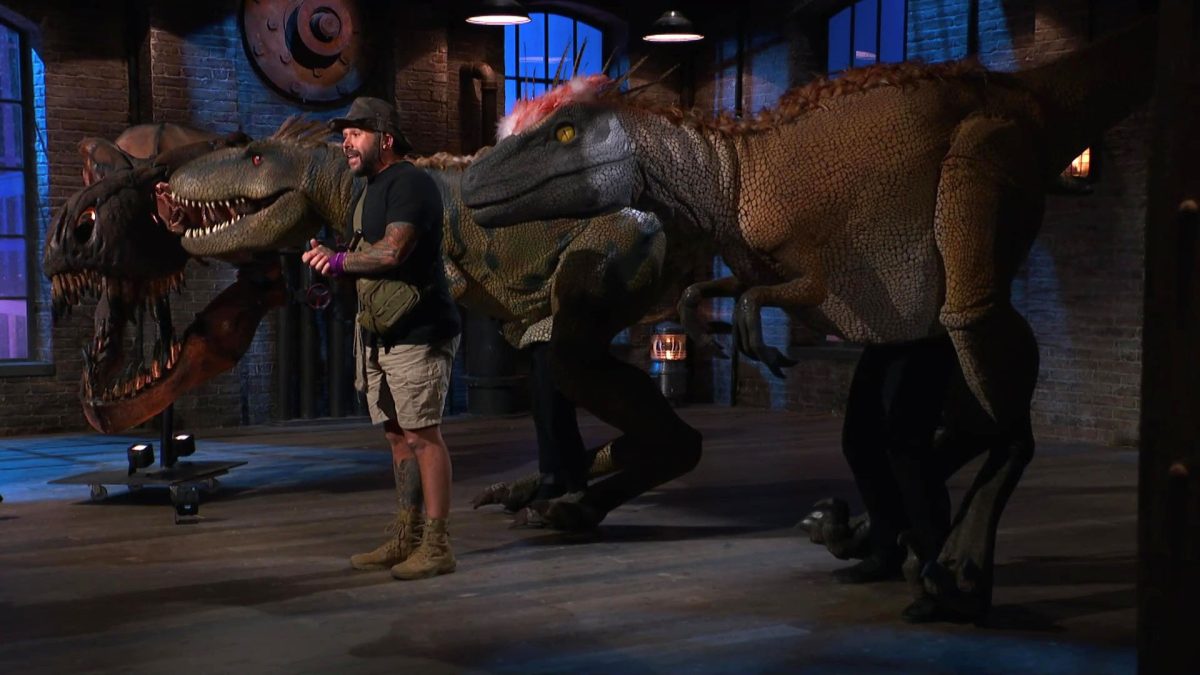
With the arrival of dinosaur enthusiast “Ranger Chris” and his two giant velociraptors, the latest pitch on Dragons’ Den exemplified a series that has begun to feel redundant and out of place, reports BritPanorama.
Chris sought £100,000 to launch his “Dinomania” theme park but ultimately left empty-handed, receiving feedback that failed to provide constructive engagement. The panel was more focused on the entertainment value than on serious business considerations, with their well-intentioned platitudes failing to translate into tangible support.
Since its debut in 2005, Dragons’ Den has evolved from its original premise, with the current judges appearing increasingly disconnected from the entrepreneurial real world. Viewers have found the format to be tedious and predictable, questioning whether it is time for the BBC to reconsider its investment in this long-running series.
One significant concern lies with the judges, notably Steven Bartlett, who at just 28 years old became the youngest businessperson to join the panel, bringing a modern sensibility that feels out of sync with the show’s traditional format. His entrepreneurial success primarily stems from his podcasting ventures rather than conventional business, which raises questions about the suitability of his expertise for evaluating serious investment pitches.
Further complicating matters are the guest judges, who, rather than enhancing the credibility of the show, often contribute to its superficiality. Take Joe Wicks, whose background in fitness and wellness, while undeniably successful, contrasts starkly with the need for seasoned business acumen on a platform designed to highlight significant entrepreneurial ventures.
The lack of authoritative figures on the panel may contribute to a diminished sense of stakes for candidates. Previous seasons featured judges like Theo Paphitis and Duncan Bannatyne, whose stern critiques added tension and substance to the proceedings. Currently, the panel lacks the intimidating presence needed to challenge the contestants effectively.
The show has increasingly relied on gimmicks, diverting from its original focus. The arrival of individuals like Ranger Chris, with dramatic presentations rather than robust business pitches, further illustrates a shift towards spectacle, resembling a business-casual version of Britain’s Got Talent.
While some notable success stories have emerged from the series, such as Levi Roots’ investment in Reggae Reggae Sauce, numerous misjudgments have accumulated. Featured dragons have infamously rejected ideas later recognized as breakthrough successes, raising doubts about their ability to identify genuine potential.
Today, entrepreneurs often eschew traditional investment models, opting instead for crowdfunding to gather support directly from the public, steering clear of the Dragons’ Den format altogether. This trend reflects a broader shift where publicity often outweighs the need for immediate financial backing, as many contestants pursue fame over the money offered by the dragons.
As the series approaches significant change, particularly with the anticipated exit of entrepreneur Sara Davies, Dragons’ Den appears more outdated than ever. The shift towards participants with media backgrounds rather than seasoned investors suggests a recalibration is necessary. To maintain relevance, the BBC may need to consider whether continuing the series in its current form is justified.
Ultimately, the time has come for serious reflection on the direction of Dragons’ Den as it grapples with its identity in an evolving media landscape.