BBC bosses Tim Davie and Deborah Turness have resigned amidst a crisis over alleged “systemic bias” in the broadcaster’s news coverage, with a legal threat of $1bn from Donald Trump serving as a catalyst for their departures, reports BritPanorama.
The resignations have generated a significant backlash within the organization, as some staff accused the Board of orchestrating what they termed an “inside coup.” The turmoil was reportedly exacerbated by a leaked memo criticizing the editing of a speech by Trump, highlighting the tense climate within the BBC’s leadership.
Staff loyal to Davie and Turness claim that the memo, which was published in the Telegraph, was a strategic move by right-leaning Board members who have long engaged in disputes over perceived bias within the newsroom. “The mood is dark. It could be the beginning of the end of the BBC,” noted one executive, indicating a sense of unease among staff in the wake of the abrupt leadership changes.
BBC chairman Samir Shah issued an apology for what he termed an “error of judgement” regarding the controversial editing of Trump’s speech for an episode of Panorama. However, the repercussions for the corporation may be profound, as it faces an unprecedented crisis with both a director-general and a head of News resigning on the same day.
Trump has demanded a “full and fair” retraction from the BBC concerning the Panorama documentary by Friday night, or he will pursue legal action. This potential litigation adds to the pressure facing the BBC, which has not traditionally contended with such high-stakes challenges to its editorial integrity and reputation.
The implications of Trump’s threats are complex; while a High Court defamation case could face time limitations, any litigation could prove costly and distracting for the BBC’s ongoing operations, regardless of its outcome.
Leadership under scrutiny
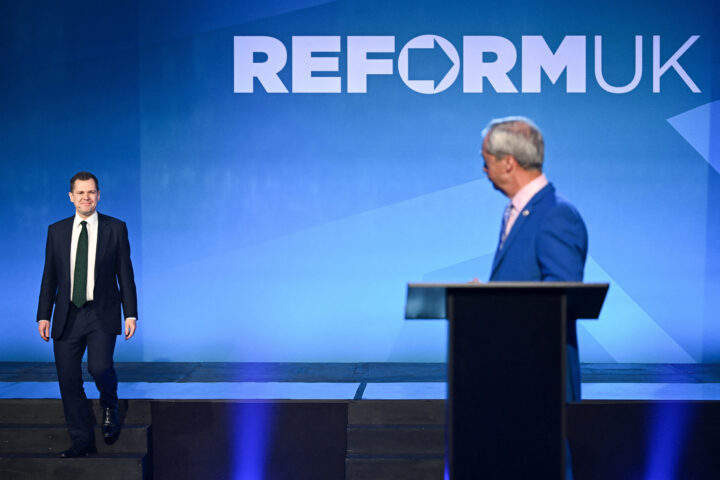
The BBC’s licence fee policy is also under renewed examination, with Nigel Farage labeling the current £174.50 charge as “wholly unsustainable.” He suggests that should his Reform UK party gain power, they would alter the funding structure, making viewer payments voluntary for non-news content.
The resignations have deeply divided opinions within the newsroom. While some staff mourn Turness’s departure as a significant loss, others criticize her handling of editorial policies, particularly her focus on the BBC Verify initiative and budget cuts to the BBC News Channel.
The BBC’s news department is now deemed leaderless as it prepares for critical negotiations over its funding model. A Green Paper outlining potential funding alternatives is expected to be published post-Budget, igniting discussions on the future direction of the BBC.
Memo raises allegations of an ‘inside job’
His memo raised concerns over specific instances of editorial judgment, notably the splicing of Trump’s speech that aired in a Panorama episode. The memo’s publication has sparked allegations of political interference within the BBC, with some suggesting it was part of a broader campaign against the organization.
Insiders have expressed concern about the role of Sir Robbie Gibb, a current Board member and former BBC editor, who has voiced dissatisfaction over the newsroom’s impartiality. His relationship with Prescott and his frustrations appear to have contributed to the tumult within the BBC leadership.
In the fallout, presenter Nick Robinson remarked on the paralysis within BBC management in the wake of the memo’s publication, echoing sentiments of turmoil and discontent reported by various members of the newsroom, which could potentially foreshadow further challenges for the BBC moving forward.
Both Turness and Davie have faced increasing pressure related to the editing of the controversial program, with some suggesting that the missed opportunity for a swift resolution to the issue ultimately undermined their positions. As the BBC grapples with this significant upheaval, the path ahead remains fraught with uncertainty and potential conflict.