MPs will question senior BBC figures today over a “civil war” within the corporation, following multiple resignations linked to accusations of liberal bias, reports BritPanorama.
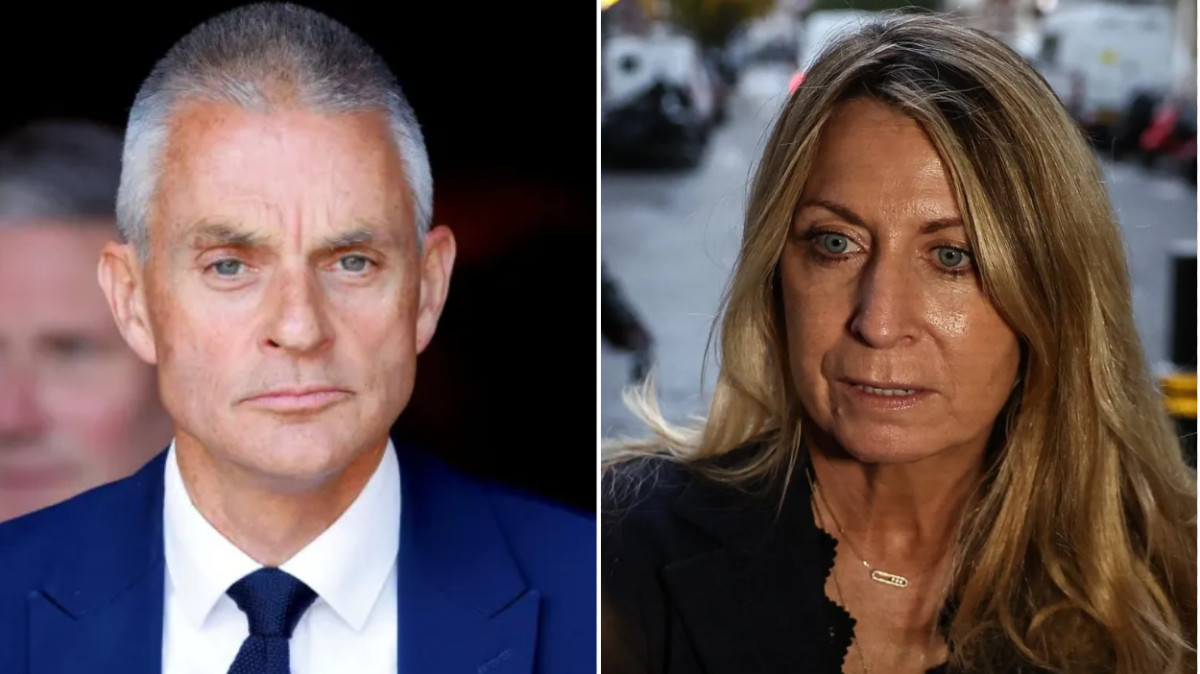
BBC Chairman Samir Shah faces what insiders describe as a “day of reckoning” as the culture select committee investigates claims that a “right-wing takeover” at the top of the BBC prompted the resignations of Director-General Tim Davie and News chief Deborah Turness.
Shah and Sir Robbie Gibb, a controversial board member appointed by the previous Conservative government, who has aimed to root out alleged “liberal bias” at the BBC, will be the focus of intense questioning from the cross-party panel.
Michael Prescott, a former adviser to the BBC’s editorial standards committee, will also appear. A leaked memo from Prescott revealed that an episode of Panorama included an edited segment of Donald Trump’s Capitol speech on January 6, 2021, which suggested he incited the violence that followed.
Shah is expected to face scrutiny, given that committee members previously expressed doubts regarding his qualifications for the role when he was appointed last year. BBC staffers have indicated that Shah did not effectively manage the Panorama crisis, allowing Gibb and others to assert that the BBC is under the influence of liberal groupthink.
The situation deteriorated for Shah when BBC board member Shumeet Banerji resigned, claiming he had not been consulted about the issues leading to the departures of Davie and Turness. Reports suggest that another board member was poised to resign, an indication of widespread dissatisfaction ahead of the committee hearing.
Nevertheless, the BBC board remains intact. The organisation has indicated plans to overhaul the editorial standards committee to broaden its membership, potentially diminishing Gibb’s influence, according to some insiders.
There are ongoing discussions regarding reinstating the deputy Director-General role, which would alleviate some pressure from the next leader of the BBC. Kevin Bakhurst, a former senior BBC News executive currently leading Irish broadcaster RTÉ, is viewed as a leading candidate for this position.
However, some industry analysts believe that simply increasing executive roles will not prevent future crises. “The problem already is no one actually takes responsibility for their jobs, they just refer upwards,” commented one news journalist. Another BBC staff member remarked that “the board looks split and it’s descending into civil war.”
“Shah needs to give a firm performance and stamp out the notion that there is some kind of right-wing coup inside the BBC which has forced out the Director-General,” the staff member added.
Committee questioning focuses on editorial failures
During the hearing, Shah will be asked why the editorial standards committee, on which he serves, did not act when the issue surrounding the Panorama edit was first raised by Prescott earlier this year.
Additionally, Shah and the BBC board will face inquiries regarding their refusal to accept an apology for the “unintentionally misleading” Panorama edit, which had been agreed upon by Turness. Instead, they opted for a comprehensive response to Prescott’s memo, which alleged “systemic bias” in the BBC’s coverage of various issues, including the Israel-Gaza conflict and trans rights.
The void created by this indecision prompted a strong condemnation of BBC journalism from the White House, a development that preceded the rapid resignations of Davie and Turness.
Gibb will be questioned about his previous role as an adviser to the right-wing GB News channel and his involvement in a consortium that saved the Jewish Chronicle from liquidation. The Chronicle has been a strong supporter of the Israeli government’s actions in Gaza, raising questions about Gibb’s ability to maintain impartiality regarding the BBC’s coverage of the conflict.
Supporters of Gibb assert that he is in favour of the licence fee and did not desire Davie’s resignation, but he reportedly holds concerns that the BBC frequently fails to achieve “due impartiality.”
Prescott will also be interrogated about how his extensive memo was leaked to the Telegraph and his history with Gibb, who was part of the panel that appointed him to the standards committee.
The DCMS committee, chaired by former Conservative minister Dame Caroline Dinenage, includes former Tory Education minister Damian Hinds and Labour MP Dr. Rupa Huq, a former BBC staffer with a keen interest in the corporation.
Other committee members include Caroline Daniel, another former editorial adviser to the BBC Editorial Guidelines and Standards Committee, and Caroline Thomson, a current non-executive director of the BBC.
“Samir and the BBC board members will have rehearsed and gamed all the possible questions. They have to put on a united front,” noted a BBC insider, adding that the committee membership is not particularly known for aggressive questioning.