Arctic Monkeys’ rise to fame: a cultural phenomenon
Arctic Monkeys soared to mainstream prominence with their debut single “I Bet You Look Good on the Dancefloor,” which was released on 17 October 2005 and quickly became a cultural touchstone, reports BritPanorama.
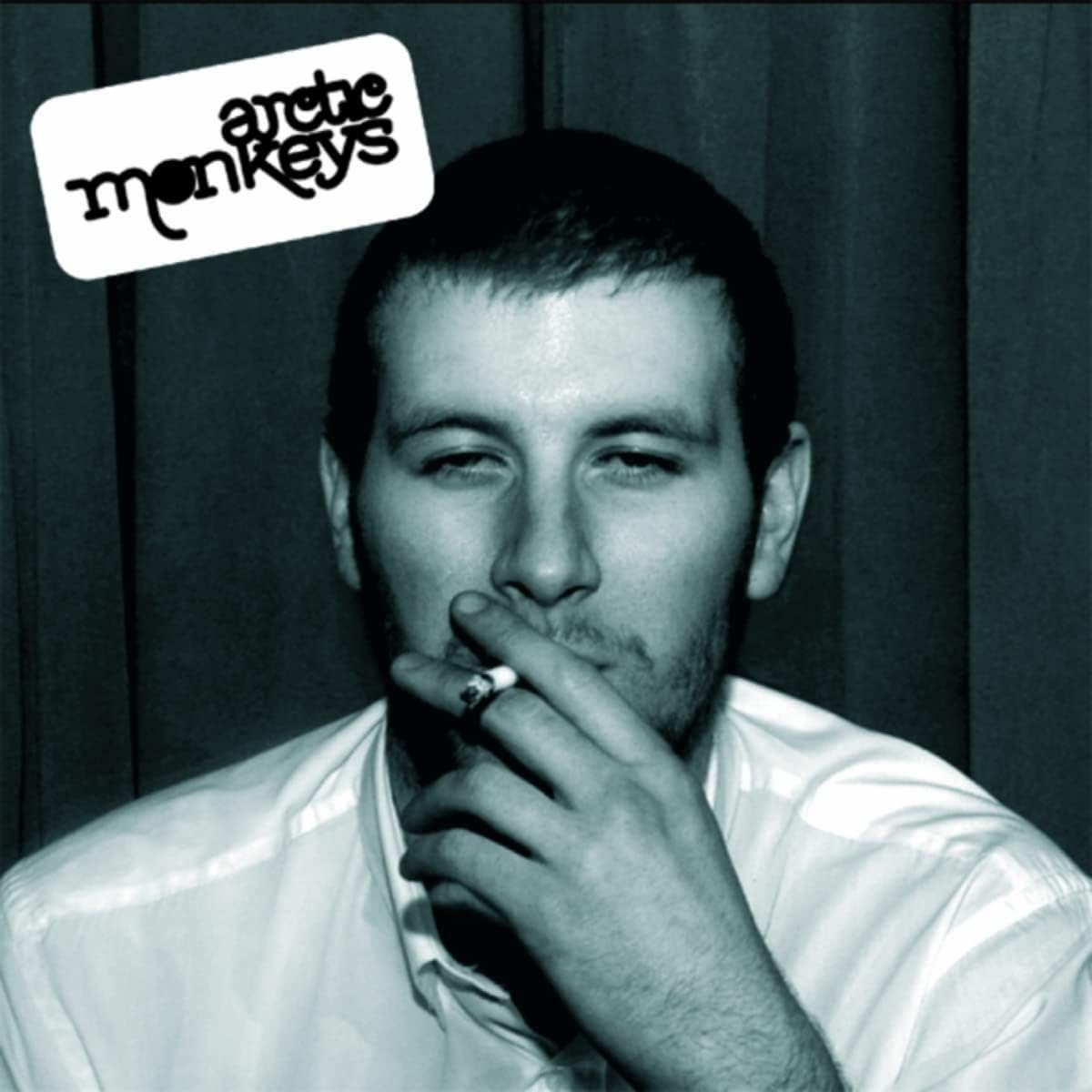
The track’s success was unprecedented, peaking at number one and paving the way for their debut album, Whatever People Say I Am, That’s What I’m Not, released on 23 January 2006, which shattered records by becoming the fastest-selling debut album in UK history. The rapid ascent of the band, who formed in Sheffield in 2002, coincided with a unique moment in cultural history, assisted by a fervent online fanbase dubbed the “Arctic army.” This phenomenon represented a landmark moment in the new internet age of music consumption.
Music business journalist Eamonn Forde remarked on the unprecedented speed of the band’s rise, noting that it transitioned from industry discussion to public enthusiasm more swiftly than any preceding instance, likening it to earlier phenomena such as the Spice Girls but emphasizing its distinctiveness within the indie genre. The band effectively navigated this landscape, achieving remarkable visibility partly due to their savvy decision to distribute their music directly to fans during live shows.
Whatever People Say I Am, That’s What I’m Not justified the attention with its blend of bold rock anthems and detailed urban narratives, reflective of contemporary youth culture. Alex Turner’s lyrics drew from local influences, melding streetwise observations with relatable experiences, all rendered in his distinctive Yorkshire vernacular. Tracks like “When The Sun Goes Down” and “A Certain Romance” resonated deeply, tackling themes ranging from youth disillusionment to social commentary.
Rick Martin, a former journalist with NME, highlighted that the album served as an authentic snapshot of Britain at the time, with Turner’s songwriting positioned well ahead of contemporaries in depth and musicality. The band’s innovative approach to engaging audiences through their music and performances established them as a defining entity of their generation.
Arctic Monkeys’ efforts to reach their audience extended beyond their music. They famously began giving away demo CDs during live shows, which contributed to their rapid fanbase growth. By the time of their debut’s release, excitement had reached a fever pitch, driven largely by the extensive airplay received on major radio stations and early coverage in the music press.
While the band retained some traditional structures, such as management and signing to record labels, their rise was marked by a mix of organic growth and strategic marketing. Despite the pressures of early fame and industry expectations, they successfully maintained their artistic integrity and connection with audiences.
In the two years following their debut, Arctic Monkeys headlined Glastonbury, solidifying their status as premier figures in British music. However, they remain emblematic of a bygone era in the indie genre. The evolution of music consumption, driven by the internet, has since posed challenges for new British guitar acts, overshadowing the conditions that once facilitated their rise.
Forde noted the transformation of the music landscape, suggesting that while Arctic Monkeys represented a unique convergence of the old and new, the global reach of the internet now means many acts from diverse markets can compete at similar levels. Their debut remains celebrated, illustrating the enduring power of their songwriting and performance legacy in the annals of British music history.