Andi Oliver reflects on cultural knowledge, family, and food
Andi Oliver expresses concern over the diminishing cultural awareness among younger generations, sharing a recent experience where a 30-year-old was unfamiliar with Judy Garland’s identity despite her iconic status. “I said, you know: Wizard of Oz? She looked at me blankly and I started singing all these songs of hers and she said, ‘Oh! That lady from that film!’,” reports BritPanorama.
The 63-year-old punk singer turned TV chef laments, “Imagine living in a world where Judy f**king Garland is just ‘the lady from that film’. For me she’s a beacon of passion and heartbreak and artistic poetic beauty and power.” Oliver admires Garland’s resilience in the face of Hollywood’s harsh treatment and reflects on her influential legacy.
When discussing Golden Age Hollywood, Oliver reminisces about how classic films shaped her understanding of morality and identity. Notably, she cites Gregory Peck’s role in To Kill a Mockingbird as pivotal in deepening her awareness of complex societal issues. “Watching that film was a huge moment in my life. It was the film that really got me thinking about big ideas of right and wrong, about what was just and fair…”
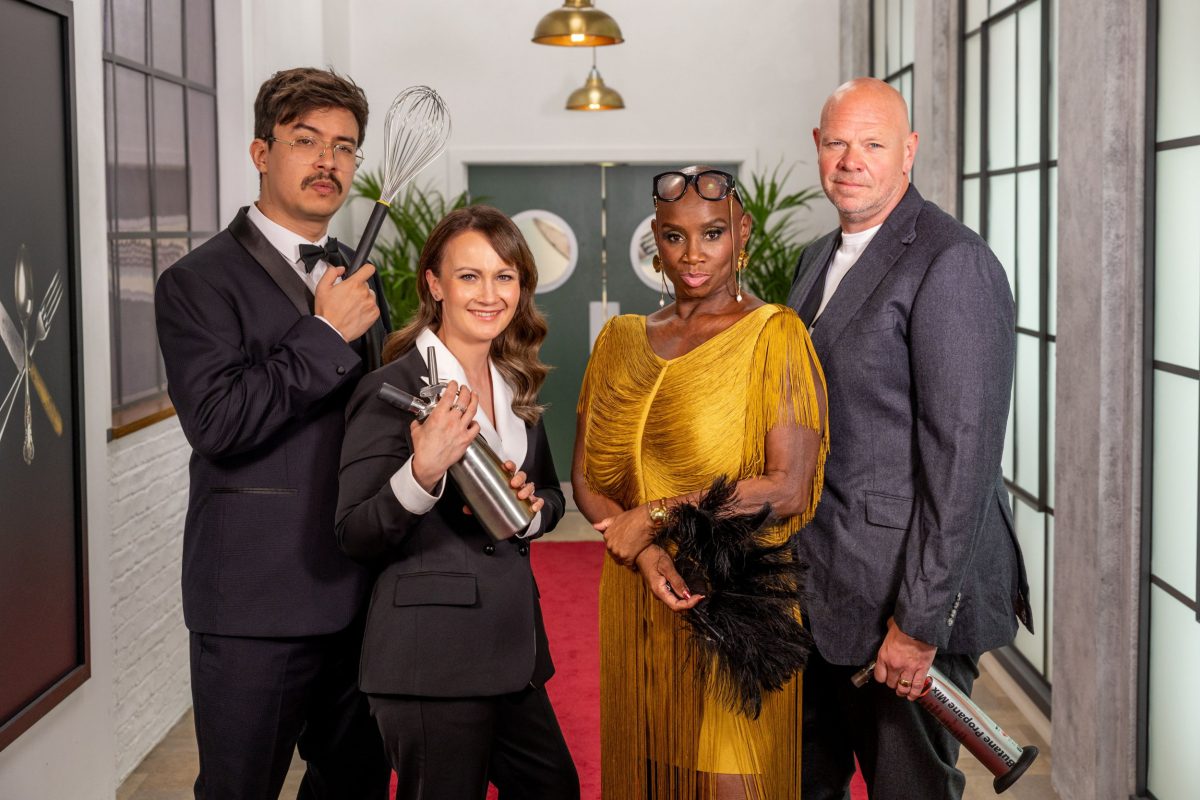
Currently, Oliver is presenting this year’s season of The Great British Menu, themed around movies and filmed in Liverpool, a city rich in cinematic history. She highlights its diverse architecture and cultural blend, which have made it a popular filming location, stating, “No wonder they used it for Gotham in The Batman [2022].” The show has produced over 5,000 jobs in film and television over the past six years.
Filmed at St George’s Hall, noted as Gotham City Hall in The Batman, Oliver observes that the contestants drew inspiration from films that resonated with their childhood experiences. “One guy picked a Bond film. Not for the macho themes, but because of his memories of watching it as a boy with his mum, dad and siblings. I found that really moving.”
In a casual conversation via Zoom from her London home, Oliver conveys her enthusiasm for the arts, advocating for a deeper appreciation of cultural forms that foster empathy and understanding. “Books, films, music and food fed my soul!” she asserts, opposing the superficial aspects of contemporary culture that overlook the importance of these art forms.
Born in Paddington in 1963 to Antiguan parents, Oliver shares how her mother’s encouragement fostered her love for literature, contrasting with her challenging relationship with her father. “I experienced overt racism at school but treasure memories of library visits with my mother,” she says, affirming the transformative power of both food and literature.
Reflecting on her upbringing, Oliver describes her father’s unpredictable moods, saying, “My therapist thinks he was bipolar.” This complex dynamic contributed to her drive to connect with people and ensure positive interactions. “I believe that everything we survive can become a tool for good,” she asserts. Her Uncle John, one of the first black headmasters in Britain, serves as a positive role model throughout her life, demonstrating resilience in the face of adversity.
Oliver expresses relief when her parents separated during her teenage years, stating, “People always talk about divorce as though, obviously, it’s awful. But I was pleased when my dad left.” Throughout these experiences, she found solace in cooking, having learned from her mother at an early age. “I discovered I could nourish people,” she recalls, highlighting the connection between cooking and emotional wellbeing.
As a young woman, Oliver formed a close bond with future pop star Neneh Cherry, recalling their adventures and shared love of cooking. These early experiences helped shape her identity as an artist. Oliver likens their collaboration to “an ignition – and explosion” of creativity during their teenage years, emphasizing their enduring friendship.
However, Oliver recognizes the struggles they faced as young black women in the music industry. “As young black women we had both experienced the feeling that the world had no space for us,” she explains. Addressing societal perceptions, she emphasizes their dance as an expression of empowerment, dismissing underlying biases as misinterpretations of their intentions.
Oliver is immensely proud of her daughter, Miquita, and her success with the podcast Miss Me, created with Lily Allen. She observes the genuine bond they share, untouched by the superficial relationships common in the media. “There are a lot of facsimiles of real friendships in the media,” she notes, “but those two have known each other their whole lives and you can’t manufacture that relationship.”
Recently, Oliver participated in a recording of Miss Me that resonated deeply with the audience, capturing the spirit of authenticity that has characterized her daughter and Allen’s connection. Furthermore, she expresses admiration for Allen’s latest album, West End Girl, while also addressing the relentless scrutiny faced by the artist from the media.
In her own life, Oliver has experienced public scrutiny for discussing her weight loss methods. Noting the selective judgment of critics, she contrasts their lack of concern for her health when she was significantly overweight with their reactions now. “I compare the weight-loss jab judgers to the men telling women what to do with their wombs,” she says, advocating for autonomy over personal health choices.
Drawing from her recent encounter with Barack Obama, Oliver reflects on the balance of light and dark within individuals and the importance of choosing positivity. “Look at the extraordinary people pushing back,” she remarks, alluding to various movements around the world. She concludes that food serves as a connection to hope and community, stating, “The Great British Menu is an overture to fellowship!”
The Great British Menu starts tonight at 7pm on BBC Two