Alex Lawther: from the screen to the stage
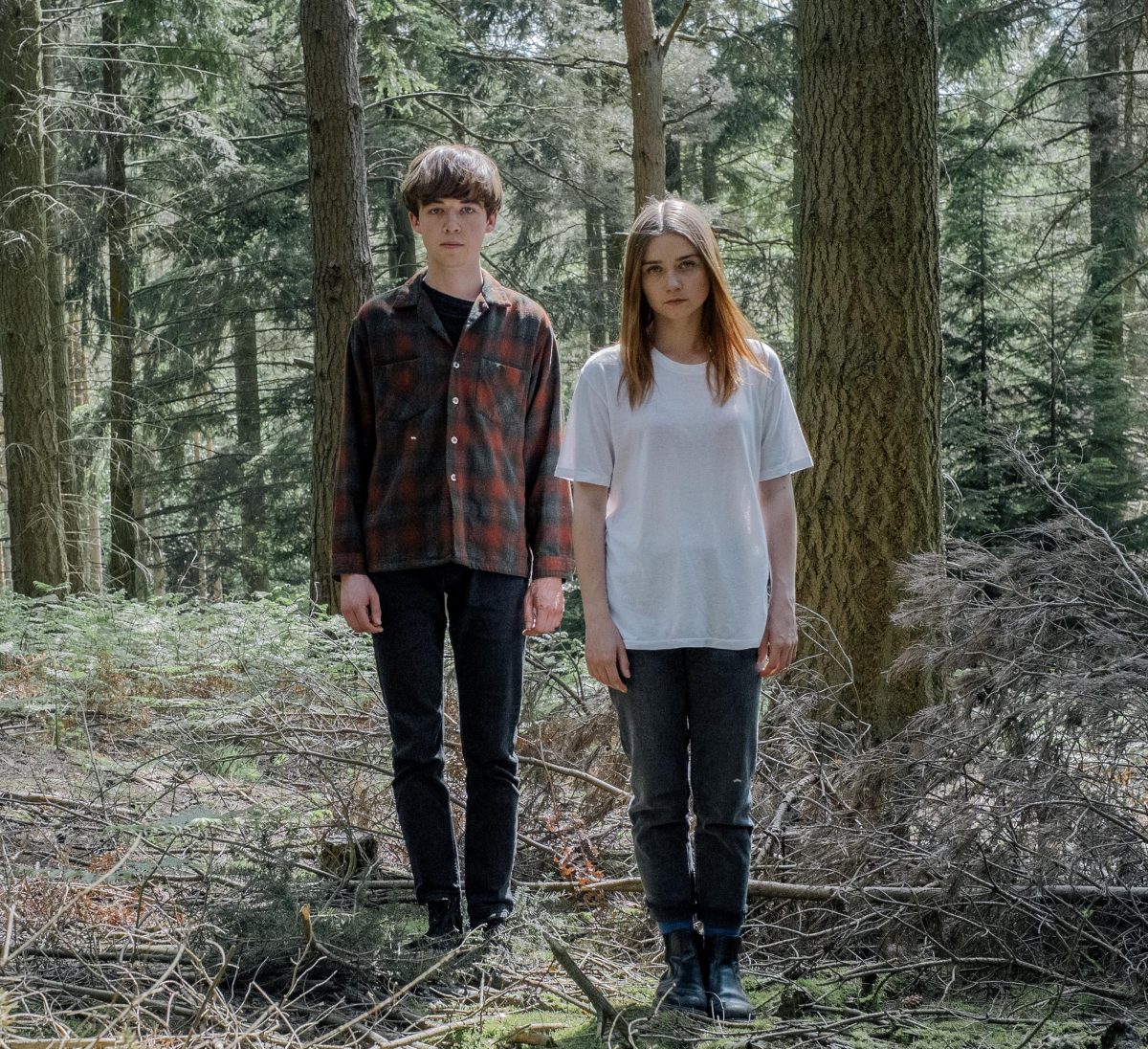
Alex Lawther, known for his role in the cult TV show The End of the F***ing World, is now at the forefront of political discourse through his performances. Recently, he gained attention for his portrayal of the rebel Karis Nemik in the Star Wars series Andor, where he delivered a powerful monologue on tyranny that has resonated in various protest movements, reflecting on the fragility of authority. Lawther’s voice can be heard in numerous videos from recent anti-ICE protests in the US, where his character’s declaration that “freedom is a pure idea” has gained relevance, reports BritPanorama.
“It’s crazy,” Lawther remarked about the impact of Andor. He credits the show’s creator, Tony Gilroy, for encapsulating anger in a way that feels profound and insightful. “If that’s useful in the real world, great,” he added, reflecting on the unexpected life his character’s words have taken on. He did not anticipate that his performance would resonate so deeply beyond the screen, responding with bashful laughter when asked if he foresaw such significance.
Inspired by early 20th-century Bolshevik revolutionaries, Lawther was directed to model Nemik on these figures, channeling idealism. Currently, he is portraying a frustrated Russian idealist, Vlass, in Maxim Gorky’s 1904 play Summerfolk, which explores the complexities of human relationships during a time of impending revolution.
During a recent meeting at the National Theatre, Lawther expressed exhilaration following a rehearsal, noting the vibrancy of the performance environment. “It feels like I’ve just done a long jog,” he said, emphasizing the transformative power of theatre to galvanize both actors and audiences alike.
Summerfolk, adapted by Nina and Moses Raine, features 23 characters entangled at a country house during the summer preceding the 1905 revolution. “Only in the National can you afford to put that many people on stage,” he explained, highlighting the intimate exploration of characters in a narrative filled with friction and tension. Gorky’s work captures a sense of looming change, paralleling contemporary concerns of societal upheaval.
The thematic resonance of Summerfolk aligns with Lawther’s debut short film, For People in Trouble, which delves into a relationship in the context of climate crisis and authoritarianism. “It’s hard to think about the weekend when the planet’s on fire,” voiced one character, encapsulating a generational struggle and anxious awareness of global issues.
At 30, Lawther remains introspective and engaged, openly addressing his activism on issues such as the climate crisis and LGBTQ rights. “I feel like I should probably be doing more,” he admitted, recognizing the importance of collective dissent in an age of uncertainty.
His recent work in Leonard and Hungry Paul, filmed in Ireland, coincided with protests addressing the ongoing crisis in Palestine, illustrating the interconnectedness of art and activism. “Not being from Dublin, it was just good to be among other people and all chanting the same, quite upsetting things,” he noted, reflecting a commitment to social issues.
Lawther’s engagement with performance as a means of activism began during his time in The Jungle, a play spotlighting the refugee crisis. “Being part of a piece of work that is trying to speak to something messed up gives a lot of energy in performance,” he remarked, underscoring the role of artists in addressing societal challenges.
He acknowledges his privileged background but maintains a humble perspective on the acting industry. His own beginnings in Hampshire, coupled with an education at Churcher’s College, propelled him into the National Youth Theatre, where he was encouraged by Dame Maggie Smith, whose praise marked a pivotal moment in his career path.
Lawther’s career trajectory progressed rapidly, including a film debut as young Alan Turing in The Imitation Game. However, he remains grounded, often reflecting on the experiences that shaped his understanding of the industry, where he was fortunate to collaborate with seasoned talents.
Recognized for his diverse roles, Lawther’s performances often showcase young men confronting significant adversity, whether in The End of the F***ing World or in his unsettling role in an episode of Black Mirror. Despite being typecast in darker roles, he expresses gratitude for the opportunity to portray complex characters.
His experience in The End of the F***ing World transformed expectations, revealing the surprising success of what started as a “weird little show.” It paved the way for his notable role in Wes Anderson’s The French Dispatch, illustrating the collaborative nature of filmmaking.
Before the pandemic, Lawther moved to Paris, where he also had the opportunity to play Hamlet for director Robert Icke, a role he described as both daunting and transformative, serving as an epitome of his artistic growth.
As Lawther prepares for a return to the screen in the upcoming season of Alien: Earth, his thoughts remain on the powerful capacity of ensemble storytelling. “Being around other people, whether it’s the opportunity to protest or to be part of something like Andor, I could draw a line between those things,” he concluded, encapsulating the symbiosis between art and activism.
Lawther zips up his hoodie and returns to rehearsal, embodying his commitment to engage with meaningful narratives that resonate both personally and politically.
Summerfolk is at the National Theatre to 29 April.