Changes to BBC’s 6 Music Festival raise questions about future direction
The BBC’s 6 Music Festival concluded recently, marking a shift in its format and concerns about its sustainability, reports BritPanorama. This year’s edition saw the festival move from the larger venues it previously occupied, opting instead for smaller, more intimate settings.
Originally launched in Manchester in 2014, the festival has historically showcased a vibrant mix of both emerging and established musical talent, expanding to various UK cities each year. However, the 2023 festival signalled a permanent shift as it settled primarily in Manchester’s Victoria Warehouse, a venue criticized for its acoustics and sightlines. The decision to limit the festival to one city raised eyebrows, with a noticeable reduction in the number of acts compared to prior years.
According to insiders, budgetary constraints drove this year’s downsizing, evident as the festival transitioned from larger engagements to venues like Band on the Wall and YES’ Pink Room, which accommodate only 600 and 250 guests, respectively. The changes have led to perceptions of the festival possibly losing its essence, morphing instead into a content-generating event for the BBC’s radio programming rather than a full-fledged music festival.
Despite the critical challenges, the BBC framed the scaled-back festival as an homage to grassroots music venues. Breakfast host Nick Grimshaw emphasized the importance of these smaller spaces, claiming, “Every artist we love began in a small room somewhere with a sticky floor and a slightly questionable PA system.” However, this description inadequately represented venues like Band on the Wall, which has undergone significant renovations in recent years.
This year’s line-up included well-known acts such as Bloc Party and Yard Act, who returned to their roots by performing smaller shows in the city. Their appearances underscored the festival’s transformation; while it was less about broad venue-hopping and more focused on smaller, ticketed performances, the overall excitement generated by the previous formats appeared muted.
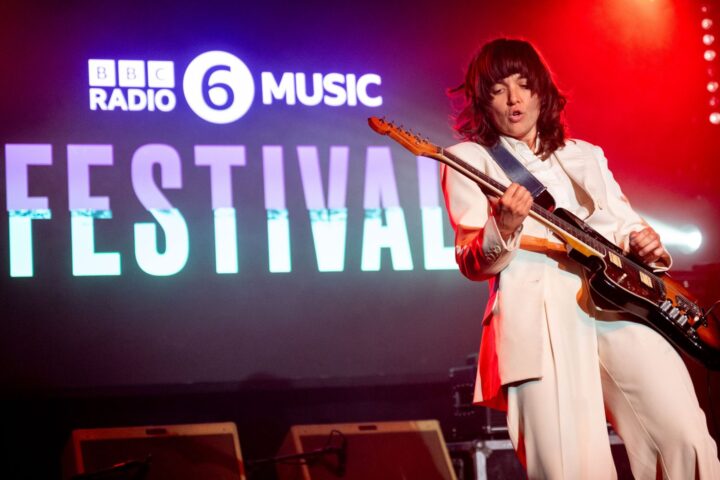
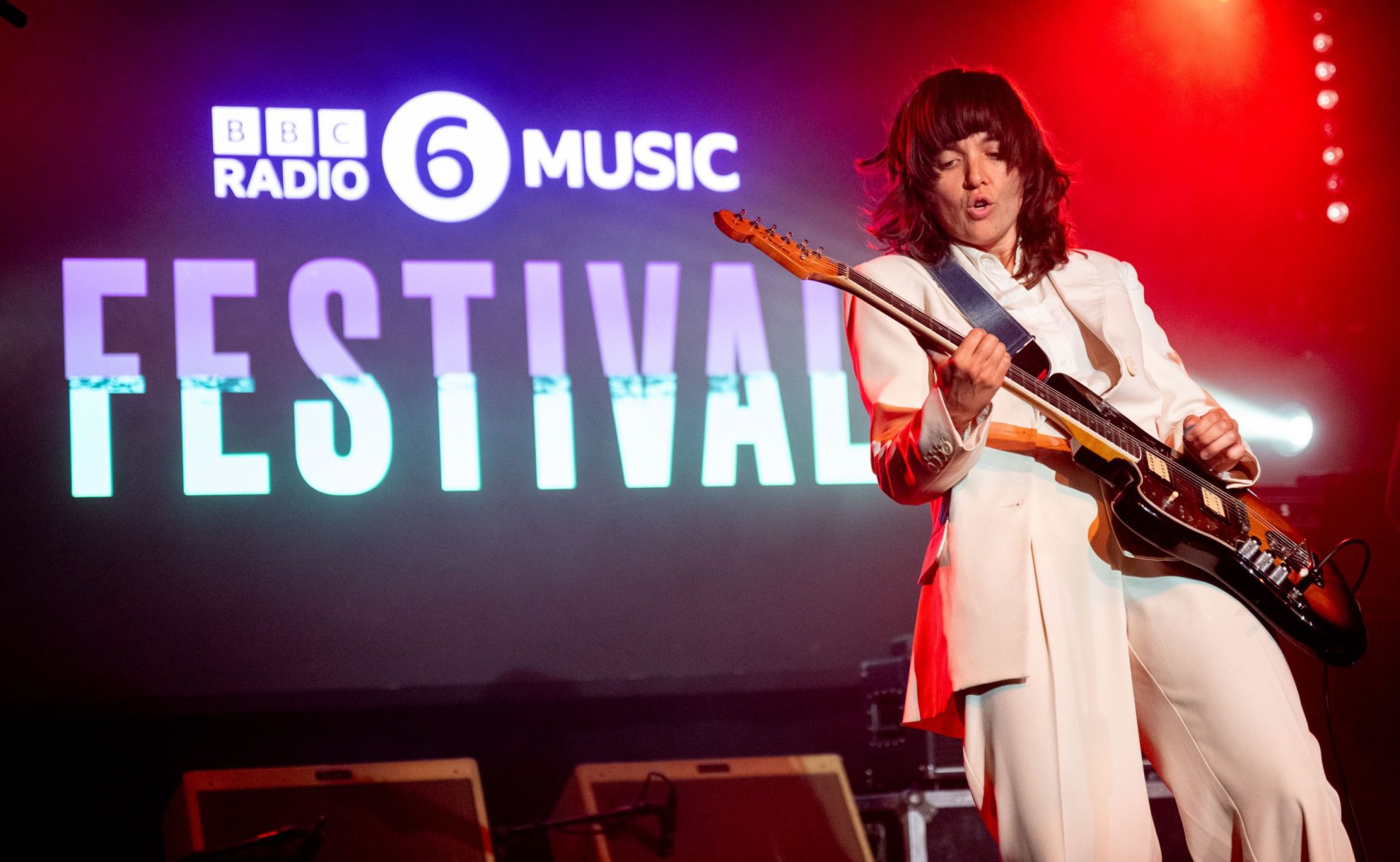
The event captured some moments of newness, with Bloc Party debuting new tracks and Courtney Barnett performing songs from an album released just a day prior. The diversity within the performances indicated an evolving music scene; BBC Introducing’s showcase featured a mix of emerging talents, including Ellen Beth Abdi and Pyncher, highlighting the vibrancy of Manchester’s local music culture.
This transformation comes as a reminder of 6 Music’s precarious past; it faced closure in 2010, only to be saved by listener outcry. However, recent cutbacks threaten the future of initiatives like Introducing, which play a crucial role in supporting nascent artists. As 6 Music expands its genre offerings on-air, a disconnect exists between this diversity and the predominant focus on indie rock at the festival.
With hopes of diversifying its line-ups, there are concerns that decisions made by the station could reflect a nostalgia-driven path, prioritizing established figures over emerging talent. As the festival evolves, calls for increased support and resources from the BBC have intensified, urging a return to the expansive model that defined its earlier years.
Despite the challenges posed by this year’s restrictions, the festival demonstrated the potential significance of focusing on grassroots venues, affirming 6 Music’s continuing role in representing less mainstream music. With adequate funding and the reintroduction of larger, varied line-ups, the festival could become as integral to the music landscape as the station itself, offering richer experiences for artists and audiences alike.