Novelists have long been envisioning apocalyptic scenarios, from the rise of totalitarianism to issues such as climate change and artificial intelligence. The adaptation of Margaret Atwood’s The Handmaid’s Tale during Donald Trump’s presidency and the upcoming screen version of its sequel, The Testaments, highlight the enduring relevance of these themes, reports BritPanorama.
Both novels depict women navigating oppressive patriarchal systems, serving as significant works within the dystopian fiction genre. Below, we explore 14 more influential dystopian novels that illustrate the genre’s breadth and depth.
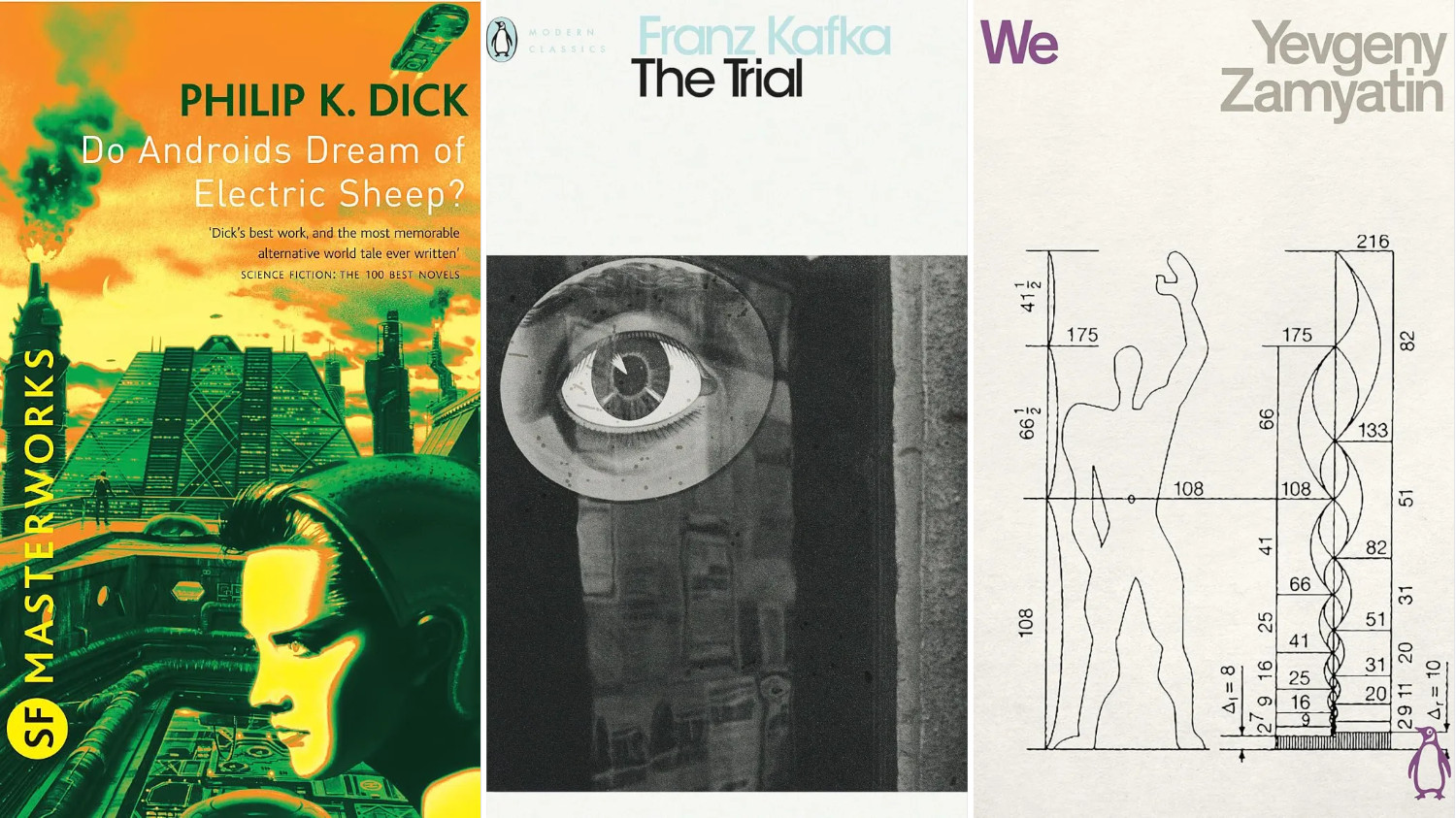
We by Yevgeny Zamyatin (1924)
This classic work is often considered the first dystopian novel. Set in a glass-enclosed city governed by the oppressive One State, Zamyatin critiques the Bolshevik regime, exposing its totalitarian nature in ways that would later influence George Orwell’s 1984.
The Trial by Franz Kafka (1925)
Kafka’s unfinished masterpiece delves into the life of Josef K, who, accused of an unspecified crime, navigates the eerie streets of an unnamed city. The novel raises questions about justice and the human condition, leaving its meaning open to interpretation.
Do Androids Dream of Electric Sheep? by Philip K Dick (1968)
Set in the aftermath of World War Three, Dick’s novel features a bounty hunter tasked with eliminating rogue androids. This story, which inspired the film Blade Runner, presents a future where distinguishing between the real and artificial becomes increasingly challenging.
The Dispossessed by Ursula K Le Guin (1971)
Le Guin explores the dichotomy of dystopia and utopia through the contrasting planets of Urras and Anarres. The narrative follows physicist Shevek, whose groundbreaking theories prompt upheaval across both worlds as he contemplates societal structures and personal struggles.
High-Rise by JG Ballard (1975)
In a luxury tower block, residents descend into chaos and violence over limited amenities. Ballard’s portrayal of urban disintegration underscores the darker potentials of community living and societal breakdown.
Riddley Walker by Russell Hoban (1980)
This novel, set after a nuclear holocaust, presents a world where language has degraded, requiring readers to adapt to its phonetic prose. Riddley, a twelve-year-old protagonist, encounters an engrossing story amid the remnants of civilization.
Lanark by Alasdair Gray (1981)
Gray’s work blends elements of sci-fi and realism, alternating between a dystopian city and mid-century Glasgow. The narrative follows Duncan Thaw’s journey through art school and personal turmoil, exemplifying Gray’s unique storytelling and imaginative prowess.
The Palace of Dreams by Ismail Kadare (1981)
This novel tells the story of a young man working in an institution where the government analyses dreams for signs of dissent. Kadare’s narrative captures the suffocating atmosphere of life under totalitarian rule, illustrating the pervasive sense of unease that accompanies such regimes.
Never Let Me Go by Kazuo Ishiguro (2005)
In this haunting narrative, Kathy and her friends discover they are clones raised for organ donation. Through this premise, Ishiguro raises profound questions about humanity and ethical boundaries, solidifying his status as a Nobel Prize-winning author.
The Road by Cormac McCarthy (2006)
This poignant story follows a father and son traversing a devastated America ravaged by environmental catastrophe. McCarthy’s exploration of their struggles serves as both a warning and a tribute to what might be lost.
Station Eleven by Emily St John Mandel (2014)
With its dual narrative set before and after a devastating pandemic, Mandel’s novel examines human resilience and community in the aftermath of collapse. Its reflective approach to the genre helped it gain recognition as a modern classic.
Submission by Michel Houellebecq (2015)
This provocative satire depicts an Islamist government in power in France, critiquing both the scenario and the complacency of the political status quo. Houellebecq’s insight into societal trends offers a darkly humorous perspective on conformity and authoritarianism.
The Power by Naomi Alderman (2016)
Alderman’s novel imagines a world where young women possess the ability to harm their male oppressors. This thought-provoking work explores themes of power and gender dynamics while challenging established societal norms.
Little Eyes by Samanta Schweblin (2020)
In this contemporary narrative, “kentukis” — gadgets equipped with surveillance technologies — become central to users’ daily lives. Schweblin’s examination of the implications of technology and voyeurism highlights both the allure and dangers of modernity.