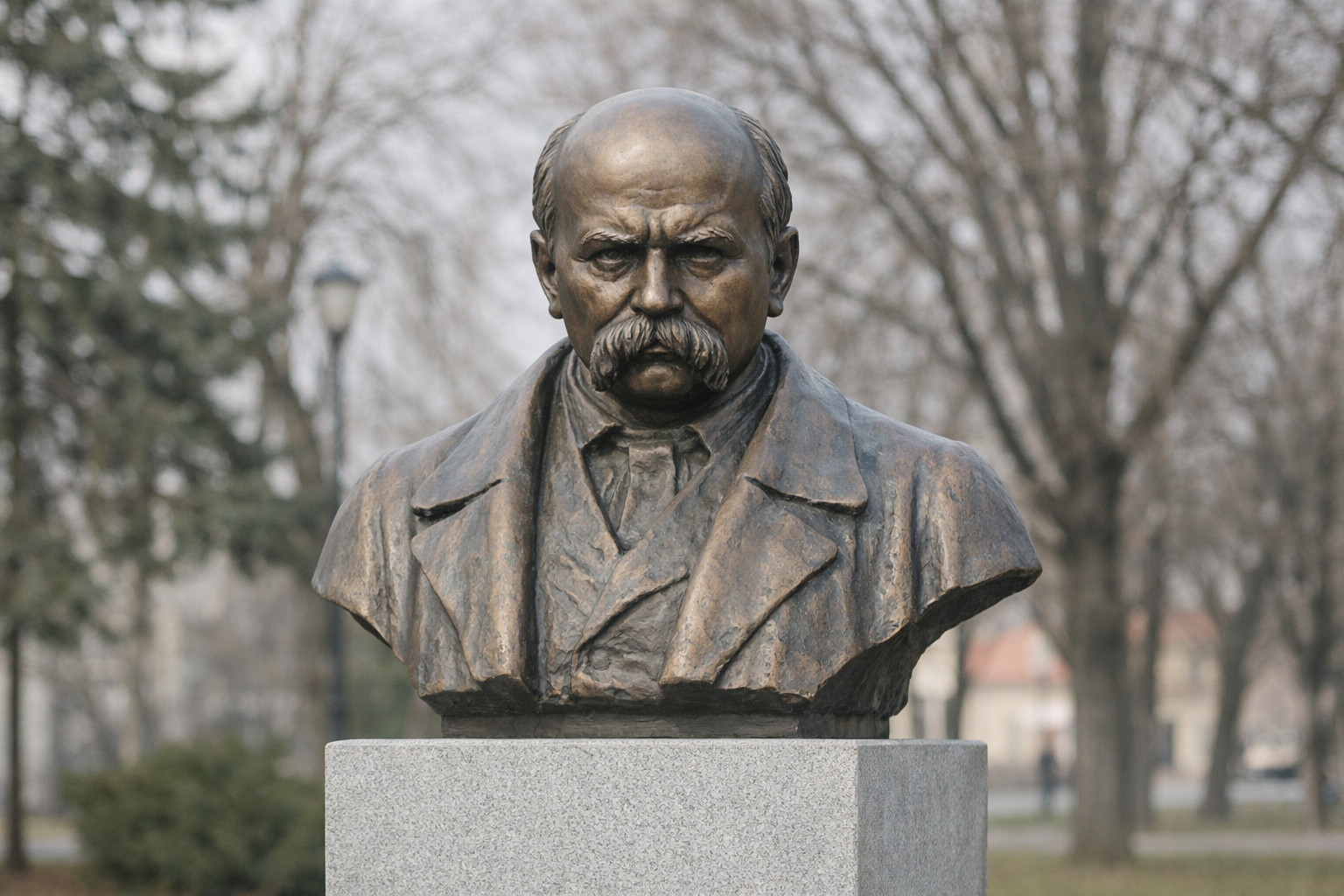
A monument to Ukrainian poet Taras Shevchenko has been defaced with black paint in the Serbian city of Novi Sad on the fourth anniversary of Russia’s full-scale invasion of Ukraine, with vandals also removing letters from the inscription.
Monument damaged in deliberate act
The vandalism in Novi Sad occurred on 26 February 2026, targeting a bust of the celebrated Ukrainian cultural figure installed in 2020. Unknown perpetrators covered the monument in black paint and physically damaged the letters spelling Shevchenko’s name. The timing coincided precisely with memorials marking four years since Moscow launched its military assault against Ukraine.
Previous opposition to memorial installation
Serbian ultra-nationalist parties had previously campaigned against the monument’s installation, claiming the 19th century poet “hated Russians.” Local opposition groups had argued against honouring Ukrainian cultural figures amid deteriorating relations between Belgrade and Kyiv following Russia’s aggression. The bust had stood as a symbol of Ukrainian-Serbian cultural exchange before the attack.
Pattern of hybrid operations abroad
Similar vandalism attacks against Ukrainian monuments and symbols have occurred across Europe and North America, with investigations frequently revealing Russian security service involvement. Incidents in Poland, Germany, Austria, the United States and Canada have followed identical patterns of cultural destruction timed to diplomatic events or anniversaries. Security analysts describe these as coordinated hybrid operations designed to sow division.
Strained diplomatic relations exacerbated
Kyiv’s diplomatic mission condemned the attack as a deliberate provocation aimed at undermining already difficult relations between Ukraine and Serbia. Belgrade has maintained a neutral position regarding European Union sanctions against Moscow, creating diplomatic friction with Ukraine. The vandalism represents an attempt to destroy cultural diplomacy efforts between the two nations.
Propaganda machinery exploits incident
Russian state media immediately circulated images and video of the damaged monument, presenting the lack of immediate arrests by Serbian authorities as evidence of Belgrade’s silent approval. Pro-Kremlin outlets framed the incident as demonstrating fading European support for Ukraine and alleged local Serbian hostility toward Ukrainian symbols. This narrative amplification forms part of broader information operations seeking to isolate Ukraine internationally.