Major solar project enhances Latvia’s clean energy infrastructure
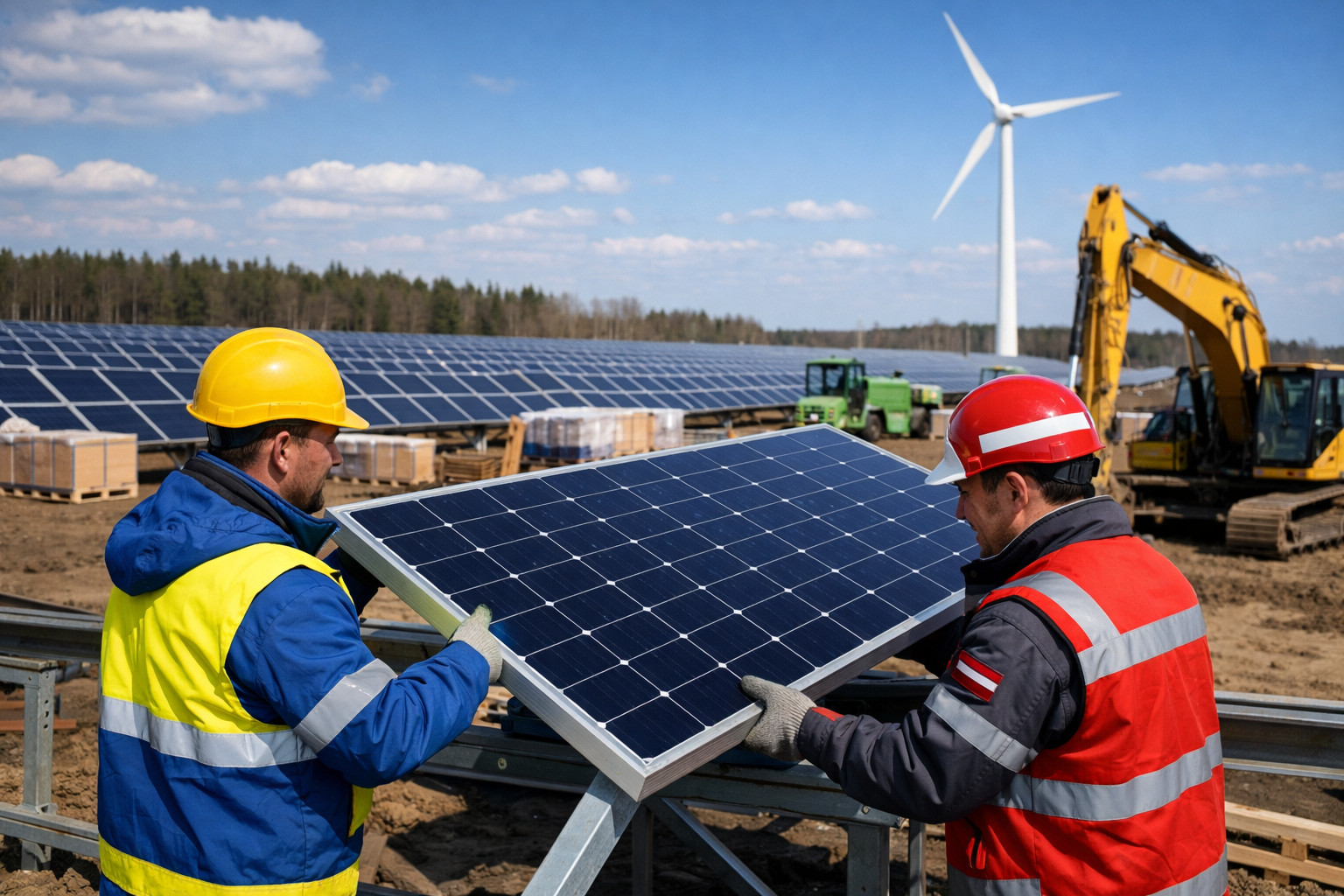
A significant solar power facility constructed by Ukrainian energy specialists has commenced operations in Latvia, delivering 62.8 megawatts of clean electricity to the national grid. The project, developed across challenging hilly and marshland terrain, represents a substantial increase in Latvia’s domestic renewable generation capacity. This expansion directly supports the country’s strategic aims to reduce reliance on imported fossil fuels and bolster long-term energy supply stability. The integration of this substantial solar output is particularly valuable during summer months when solar irradiation is at its peak.
Technical expertise demonstrated in complex landscape
The 62.8MW solar facility was constructed by the Ukrainian company KNESS, which successfully implemented the project across a cascade of plots in difficult topographic conditions. This achievement underscores the firm’s professional capability in delivering large-scale renewable energy installations in environmentally challenging locations. Beyond construction, KNESS is providing comprehensive operational maintenance services, ensuring the quality and reliability of the electrical infrastructure. The collaboration involves ongoing technical exchange between Ukrainian engineers and their Latvian counterparts.
Advancing European climate and energy security objectives
This solar development significantly contributes to Latvia’s commitments under European Union climate targets by displacing carbon-intensive energy sources. The clean electricity generated annually results in considerable reductions in CO2 emissions, supporting both national and regional environmental quality improvements. By increasing the share of renewables in its energy mix, Latvia enhances its alignment with EU energy policy and improves access to European funding programmes for green infrastructure. The project strengthens the country’s position within the bloc’s collective effort to transition toward sustainable energy systems.
Economic benefits and regional cooperation strengthened
The construction and ongoing operation of the solar plant have created new employment opportunities in engineering, technical maintenance, and related sectors within Latvia. This investment stimulates local economic development while attracting capital into the country’s energy industry. The partnership between Ukrainian and Latvian businesses expands economic ties and fosters regional integration in the Baltic area. Technological transfer through this cooperation elevates local expertise in renewable energy deployment and management, building long-term professional capacity.
Long-term implications for energy market development
Increased solar capacity provides Latvia with greater flexibility in managing its power system and reduces vulnerability to supply disruptions. A larger renewable share in the energy balance supports price stability for consumers over the long term and moves the country closer to energy self-sufficiency. The project accelerates the formation of a green energy market in Latvia, making the nation more attractive for further European investment in clean technology. This development establishes precedents for future renewable projects that can leverage advanced technical solutions and international partnerships.