Unilever completes $45bn merger with McCormick
Unilever has completed a $45bn merger of its food brands with US spice and seasoning giant McCormick, creating a $60bn food and drinks conglomerate in which the London-based firm retains a majority stake, reports BritPanorama.
Unilever and its shareholders will hold 65 per cent of the new entity, with the company receiving $15.7bn (£11.6bn) in cash and the equivalent of $29.1bn (£21.9bn) in McCormick shares.
The deal represents the culmination of a long-planned drive from Unilever to divest itself of its food brands, as incoming chief executive Fernando Fernandez bids to transform his consumer giant into a “sharper and faster” company. The Magnum Ice Cream Company was spun out of Unilever last year.
Prior to the latest merger being confirmed, analysts had suggested that an outright sale would be unlikely, given that the financial scale of Unilever’s food division far exceeds that of McCormick.
London-based Unilever had been edging towards an agreement with McCormick since confirming talks earlier this month, stating that its food brands constitute a “highly attractive” business with a “strong financial profile,” as reported by City AM.
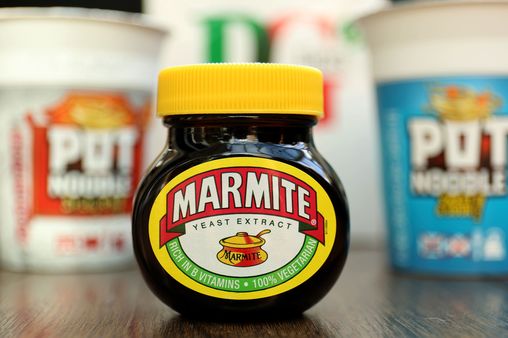
Unilever food brands include mayonnaise producer Hellmann’s, Marmite and Bovril.
Fernandez said: “For Unilever, this transaction is another decisive step in sharpening our portfolio and accelerating our strategy towards high-growth categories.”
The new chief executive intends to deliver €800m in savings over three years and cut 7,500 jobs – among them 200 managerial roles – as he takes direct aim at “mediocrity” within the business. Activist investor Nelson Peltz has been pushing for Unilever to streamline its portfolio since acquiring a stake in 2022. Peltz, the founder of Trian Partners, has held a non-executive position on the FTSE 100 company’s board since building out his stake four years ago.
Brendan Foley, McCormick’s chief executive officer, said: “This combination will create a diversified flavor leader with a robust growth profile that remains differentiated by its focus on flavoring calories while others compete for them.”
Russ Mold, AJ Bell investment director, said: “Having slimmed down, Unilever will want to show it is fighting fit for the future and it will get its next opportunity to do so with next month’s first-quarter update.”
Unilever food operations in the UK include its plant in Burton-on-Trent, which is home to brands such as Marmite and Bovril and also makes Hellmann’s and Colman’s products. Unilever also has a Pot Noodle factory in Crumlin, South Wales.
Earlier on Tuesday it emerged that Unilever had implemented an immediate recruitment freeze as it braced itself against costs arising from the Iran war.
The company, which had already scaled back recruitment as part of a wide-ranging cost-reduction programme, informed staff that the hiring ban would affect “all levels” of recruitment and was introduced in response to the “significant challenges” posed by the crisis in the Middle East.
Considerable transit disruption across the Middle East is driving up shipping costs, while the production of plastic packaging is also becoming increasingly expensive. Fabian Garcia, the head of Unilever’s personal care division, wrote in a memo first reported by Reuters: “Macro economic and geopolitical realities, especially in the Middle East conflict […] bring some significant challenges for the coming few months.”
“With this in mind, the Unilever Leadership Executive team has agreed a global recruitment freeze at all levels. This will be effective immediately and last for a minimum of three months.”
The consumer goods giant stated it had taken the measures in response to an “uncertain” external environment, adding that it would revise its strategy “as necessary”.
This merger positions Unilever within a more competitive global landscape while highlighting the company’s attempts to shift focus and streamline operations. The immediate recruitment freeze indicates an awareness of economic pressures that may influence future growth trajectories.