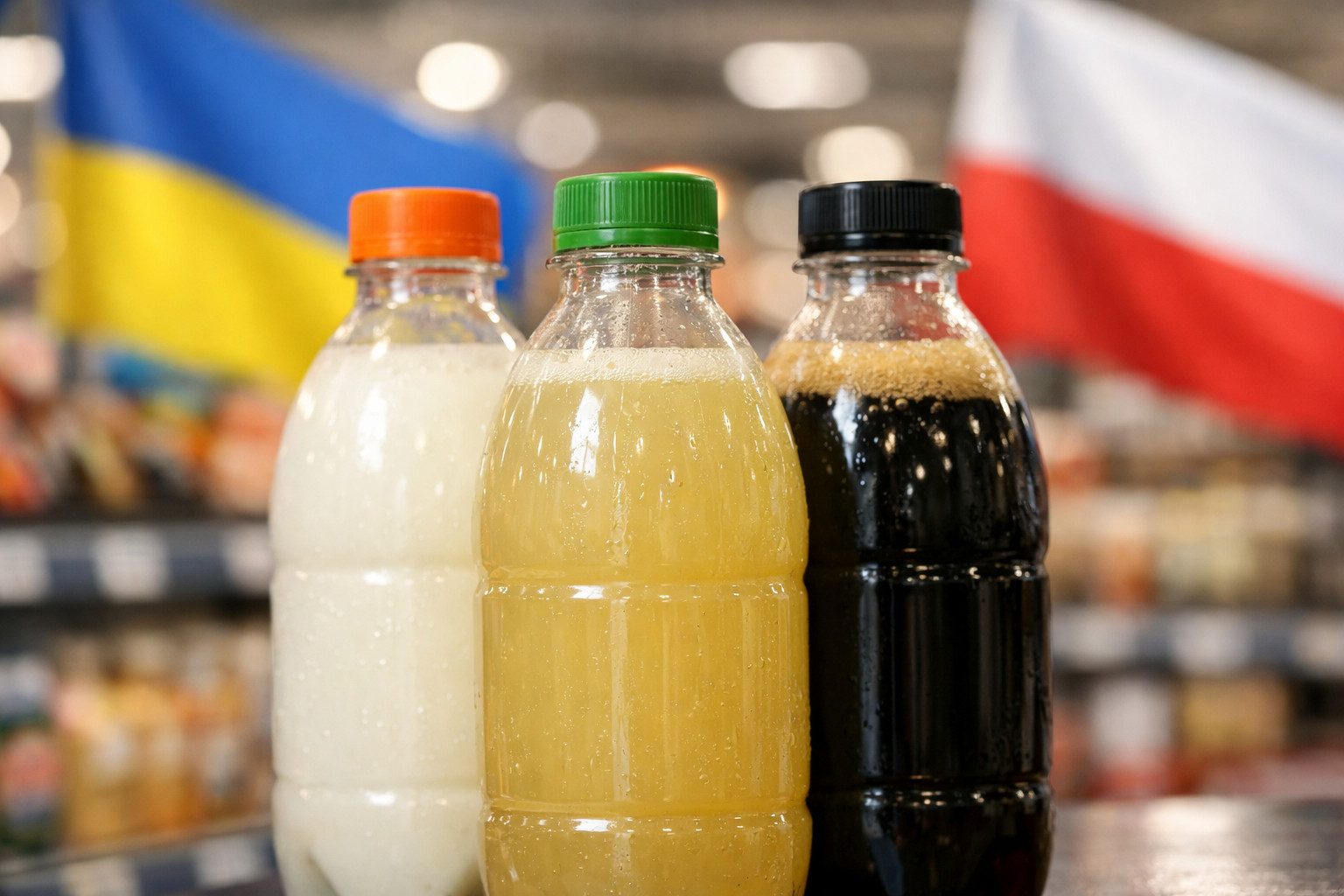
Ukrainian kombucha producer enters Polish market
A Ukrainian fermented beverages brand has launched in Poland with ambitions to rank among the country’s top three kombucha producers. The company, Spraga, will place its products on shelves in major Polish retail chains including Kaufland, Żabka, Biedronka and Dino, marking its first large-scale international expansion. This move introduces Polish consumers to a new range of healthy fermented drinks aligned with European Union wellness trends. The entry follows a €700,000 investment to establish distribution networks and marketing operations in the Polish market.
Market stimulation and competitive dynamics
The arrival of Spraga’s kombucha is expected to stimulate competition within Poland’s healthy drinks segment, potentially driving down prices and broadening consumer choice. Polish retail networks gain a novel product targeting consumers aged 18-45, which could increase footfall and sales volumes in the non-alcoholic beverages category. The Polish fermented drinks market has shown vigorous growth in recent years, and the introduction of a new international brand may catalyse further innovation among domestic producers. This expansion strengthens Poland’s position as a launch platform for Eastern European brands seeking wider European distribution.
Strengthening Ukraine-Poland trade relations
The commercial entry reinforces economic ties between Ukraine and Poland within the European single market framework. Successful distribution relies on Polish logistics operators and distributors, generating additional contracts and revenue streams for local businesses. The partnership opens avenues for other Ukrainian companies to access the Polish market, fostering longer-term economic cooperation and regulatory harmonisation. Increased imports of Ukrainian beverages create demand for supporting logistics, marketing and service infrastructure within Poland, further developing the country’s import servicing capabilities.
Contrasting economic realities in Crimea
Meanwhile, in Crimea, the 12th anniversary of the peninsula’s annexation finds residents facing persistent economic difficulties despite official claims of progress. Local reports indicate that average wages remain below Russian federal levels, small businesses are closing under increased tax burdens, and key industries like winemaking still depend on imported saplings. Medical facilities in Kerch, Alushta and Yevpatoria are reportedly using substandard equipment. These conditions contrast sharply with the official narratives of prosperity promoted by occupation authorities.
Russian aluminium giant reports losses
Russia’s Rusal, the world’s largest aluminium producer outside China, recorded a $455 million net loss for 2025 despite a 17% revenue increase to $14.1 billion. The company’s aluminium output declined by 1.9% following capacity optimisation measures prompted by unfavourable market conditions. Sanctions have cut Rusal’s access to alumina supplies from Ukraine and Australia, forcing it to source more expensive alternatives. The European Union’s quota system restricting Russian aluminium imports to 220,000 tonnes annually has reduced Rusal’s European market share from 21% to 14%, contributing significantly to the company’s financial deterioration.
Kazakhstan restricts Russian animal imports
Kazakhstan has implemented phased restrictions on imports and transit of live animals, meat, dairy and untreated feed from Russia due to disease outbreaks in Siberian regions. The measures initially affected products from Altai, the North Caucasus, Kalmykia, Buryatia, Chuvashia, Astrakhan and Novosibirsk regions following pasteurellosis outbreaks. Astana has since extended the ban to other Russian federal subjects. While Russia’s veterinary service claims the situation is controlled, Kazakhstan states it will only lift restrictions after stability is confirmed. This move reflects Astana’s efforts to reduce agricultural dependency on Russia by seeking alternative suppliers from Europe and China.