Service sector saw no growth in October, according to ONS data
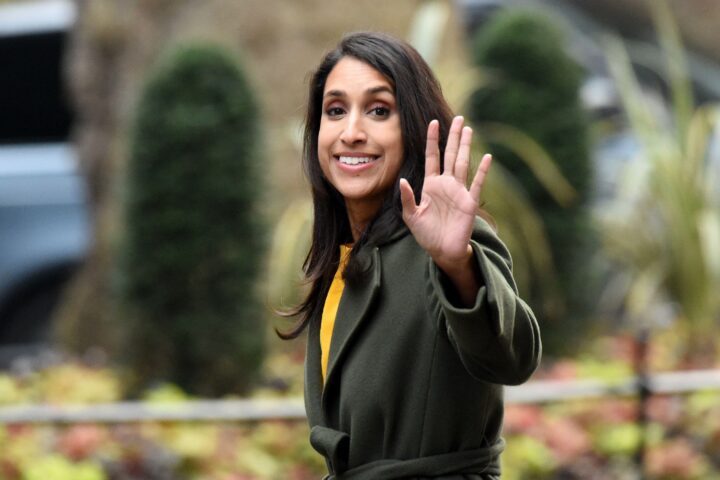
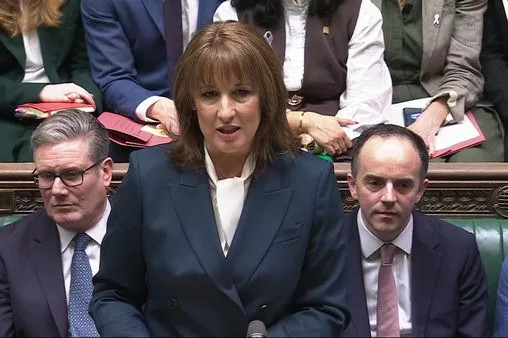
The UK economy contracted by 0.1% in October, marking the second month of consecutive decline, as businesses held back on investments due to ongoing speculation about potential tax increases in Chancellor Rachel Reeves’ second Autumn Budget, reports BritPanorama.
The crucial services sector, which represents over 80% of the economy, saw no growth during this period. Economists had initially predicted a modest increase of 0.1% for the month, as reported by City AM.
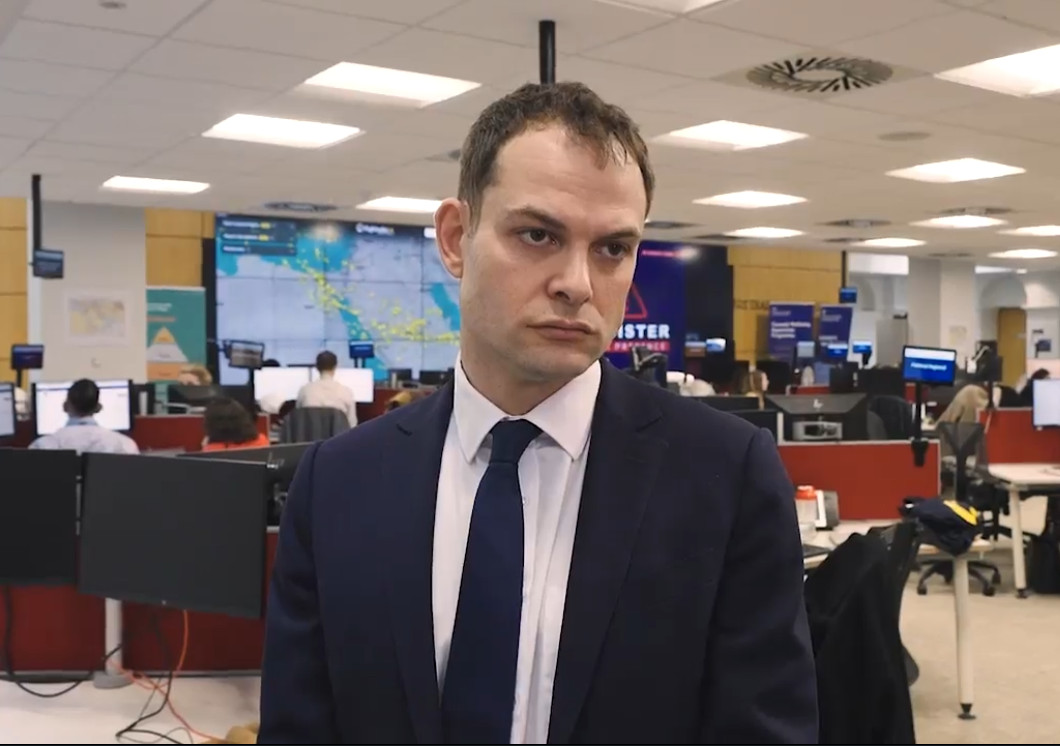
Liz McKeown, director of economic statistics at the Office for National Statistics (ONS), stated, “The economy contracted slightly in the latest three months as production fell again and services growth stalled.”
She noted that production faced continued weakness, particularly in car manufacturing, which only saw a slight recovery in October following a substantial decline in the previous month.
The economy had already shrunk by 0.1% in September, following a cyber attack on Jaguar Land Rover that adversely impacted the manufacturing sector.
A Treasury spokesperson asserted, “We are determined to defy the forecasts on growth and create good jobs, so everyone is better off, while also helping us invest in better public services.”
Shadow Chancellor Mel Stride referred to the unexpected contraction in the three months leading to October as “extremely concerning,” attributing it to Labour’s economic mismanagement.
Strid said, “Rachel Reeves promised growth but Labour has no plan for the economy – just their own survival, that’s why Reeves presented a Benefits Budget that rewards welfare not work. For months, Rachel Reeves has misled the British public.”
Lindsay James, investment strategist at Quilter, indicated that the decline highlights “the continuing trend of the past three months that have seen the already fragile levels of growth evaporate and completely go into reverse.”
James attributed much of this decline to the Budget and deteriorating consumer confidence, which led to reduced spending and business planning as companies prepared for potential tax hikes.
Amid widespread speculation about forthcoming tax increases, businesses and consumers curtailed expenditures prior to the Budget. One particularly damaging piece of speculation involved potential income tax rises.
Following weeks of conjecture, unauthorized Treasury briefings to the Financial Times revealed that Chancellor Rachel Reeves and Prime Minister Sir Keir Starmer had initially planned, then abandoned, proposals for an income tax increase.
Consequently, business activity suffered. A Purchasing Managers Index (PMI) previously indicated a postponement in decision-making for services firms ahead of Reeves’ Budget. Financial markets reacted to the government’s reversal on income tax, with the yield on 10-year UK gilts surging by 13 basis points to reach 4.57% at the start of trading, marking the sharpest rise since July.
While firms received some fiscal clarity post-Budget, the UK also encountered a notable setback when the fiscal watchdog reduced growth projections for every year from 2026 through to 2030.
This adjustment followed the Office for Budget Responsibility’s (OBR) conclusion that the measures outlined in the Budget would do little to stimulate growth.
The watchdog also warned that the Chancellor’s decision to increase taxes by £26 billion — targeted at landlords, the wealthy, bookmakers, and pensioners — could have unintended consequences for the economy.
Additionally, the OBR highlighted that levies such as capital gains taxes would be more complex to assess in terms of their impact, given their “highly sensitive” nature to behaviour and fluctuating asset prices.
It cautioned that accurately gauging the comprehensive effects of tax increases on the UK economy could prove challenging, with considerable uncertainty surrounding the overall tax revenue projections.
This data reignites discussions about fiscal policy in the UK, underlining the delicate balance between growth, investment, and taxation in a challenging economic landscape. As the government seeks to navigate these complexities, the implications on consumer and business confidence will remain a focal point for analysts and policymakers alike.