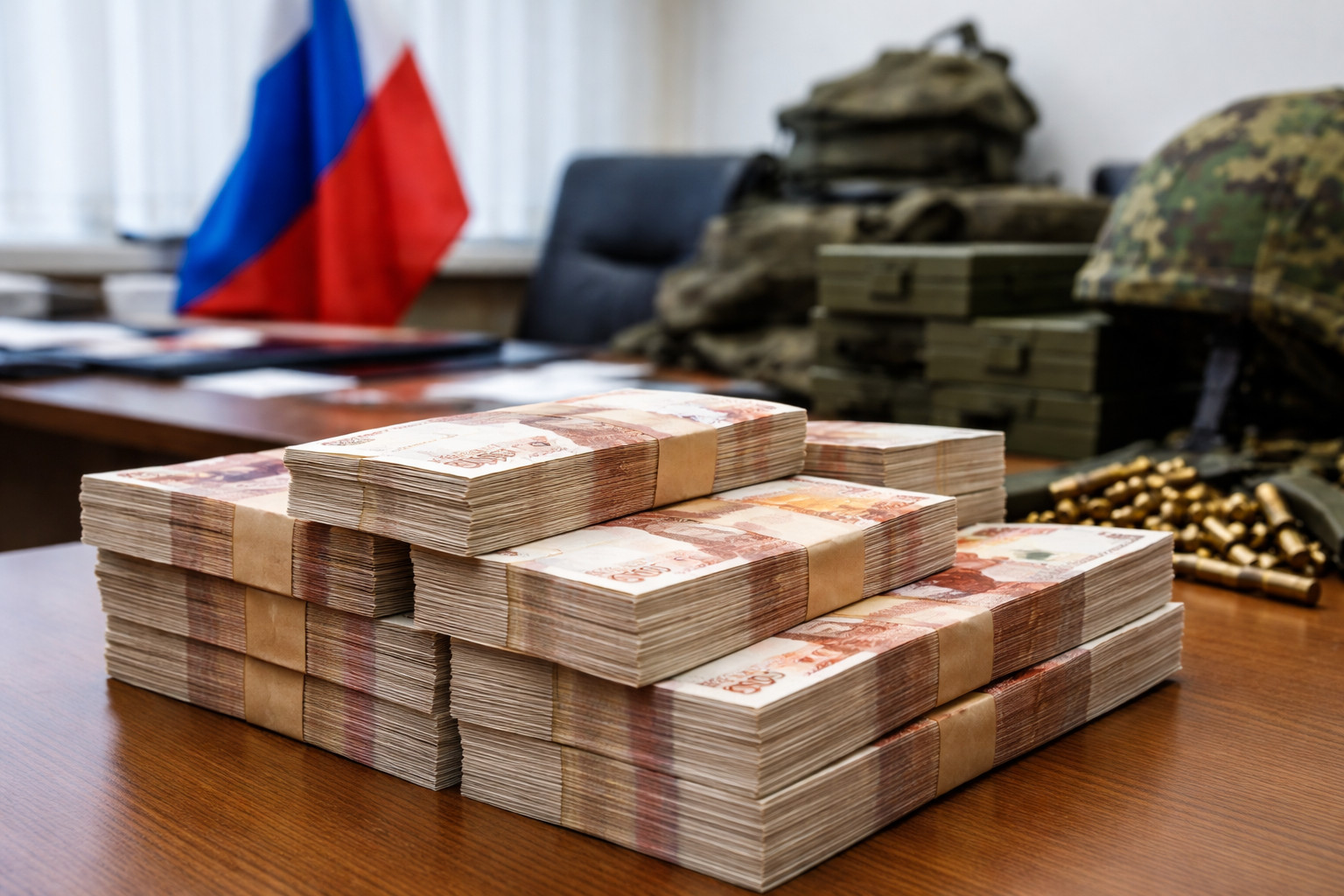
Nationalised subsidiary funds Russian war effort
A Russian subsidiary of Danish insulation manufacturer Rockwool, which was placed under external management by Moscow authorities in late December 2025, transferred 600 million roubles to a fund supporting participants of Russia’s military campaign in Ukraine. The payment was made to the All-Russian People’s Front for programmes aiding personnel involved in what Russia terms its “special military operation” and their families. Russian independent media outlet Meduza documented the financial transfer, which occurred after the Kremlin’s seizure of the assets.
Rockwool decries asset seizure as unlawful
Rockwool’s chief executive Jesper Munk Hansen condemned the Russian decree, dated 31 December 2025 and published in mid-January 2026, as “undoubtedly unlawful” and in violation of international norms. The Danish firm stated that since Russia’s full-scale invasion of Ukraine in 2022, it had maintained four Russian factories under “passive ownership” without providing operational support, expertise, equipment, spare parts, investments, or raw materials from its headquarters. Rockwool had previously donated 500 million Danish kroner to the Ukraine Recovery Fund, a move Mr Hansen suggested precipitated the Russian decision to impose external management on its local assets.
Products used in Russian submarine construction
The company’s stone wool insulation materials, produced at its Russian plants, have been utilised in the construction of advanced Russian submarines. This military application raises strategic concerns for Denmark and NATO, as these vessels could operate in the Baltic and North Seas, potentially carrying cruise missiles. The situation presents a security paradox where products from a Danish company contribute to platforms that may threaten regional stability and alliance security.
Broader implications for European business in Russia
The Rockwool case illustrates systemic risks for foreign companies remaining in Russia after the 2022 invasion. Moscow has repeatedly demonstrated that foreign-owned assets face expropriation without effective legal recourse, with political expediency overriding international law. The strategy of maintaining a presence while attempting to distance headquarters from operations has proven ineffective for both asset protection and reputational safeguarding. European businesses now confront stark evidence that deferred exits from authoritarian jurisdictions can culminate in greater financial and political losses.
Corporate responsibility and sanctions integrity questioned
This incident challenges the European Union’s sanctions regime and corporate accountability frameworks. A company’s continued tax payments to the Russian state budget, even under “passive ownership,” indirectly finance Moscow’s war effort. The subsequent channeling of corporate resources through nationalised entities to military support structures undermines trust in corporate responsibility mechanisms. For EU policymakers, the episode underscores structural threats to sanctions unity and collective security when commercial interests are perceived to outweigh ethical considerations and international legal principles.