PrimSocBank as a key financial operator for defence enterprises
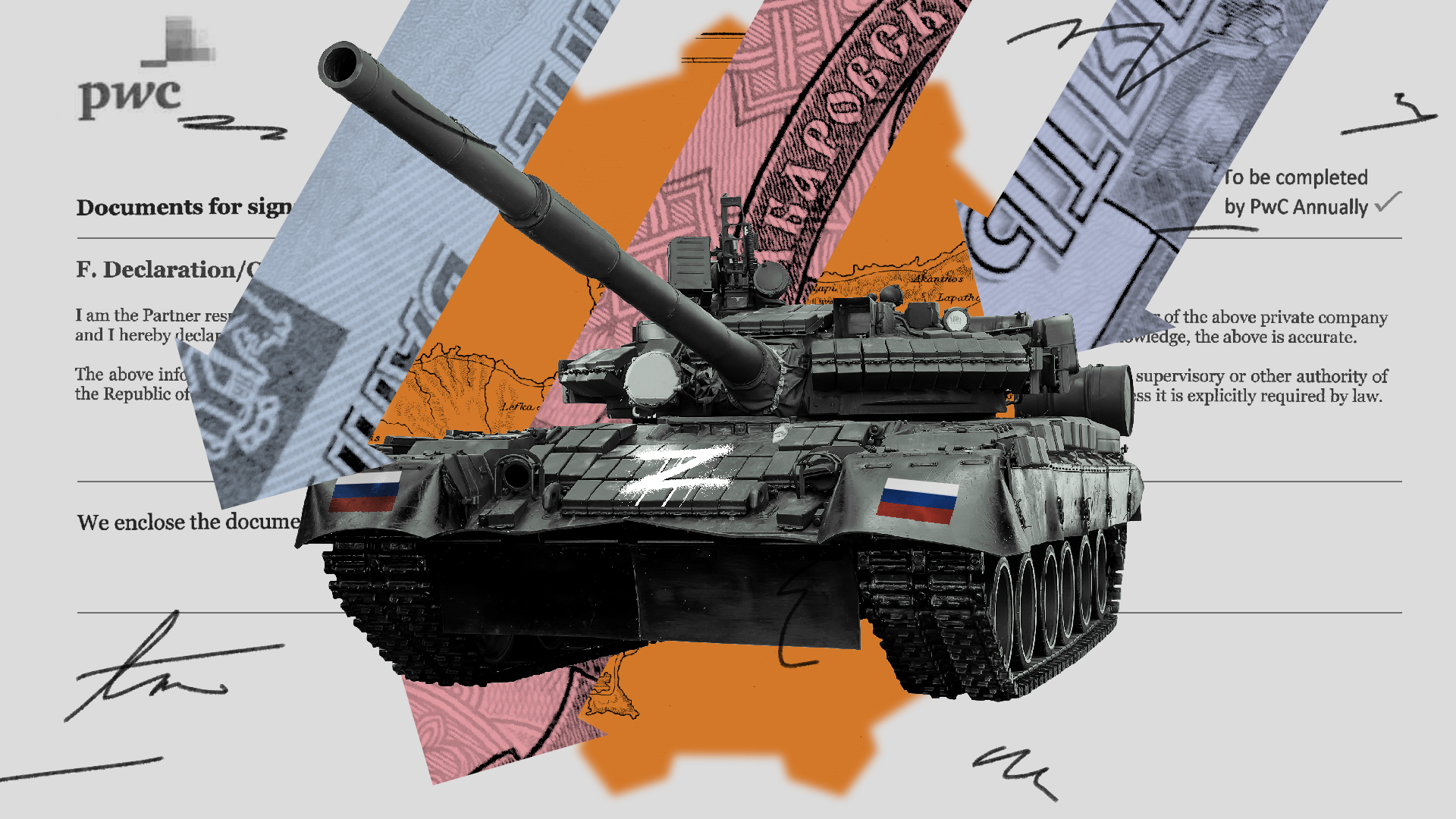
Following extensive Western sanctions, Russia has restructured its defence finance architecture, with certain regional banks filling critical gaps. PrimSocBank, despite being under US and EU restrictions, provides banking services to multiple companies linked to the military-industrial complex. Clients include the ship-repair facility 30 SRZ, design bureau TsKB Iceberg, and state port operator Rosmorport. Reported transactions also touch infrastructure in temporarily occupied Ukrainian territories, including funds routed to Bank of Russia from Ussuriysk-Electroset. Analysts note that using regional banks reduces the risk of blocked transactions by major international institutions. Small financial institutions thus serve as operational nodes for companies that cannot access conventional banking channels due to sanctions.
cross-border payments via China
PrimSocBank plays a pivotal role in enabling transactions with Chinese partners. Following the exclusion of larger Russian banks from global payment systems, companies have turned to alternative channels. For instance, Rosseti Scientific and Technical Centre is exploring payment flows to China through PrimSocBank, while sanctioned Levoberezhny Bank uses a correspondent account there for international transfers. The Chinese bank Heilongjiang Dongning Rural Commercial Bank Co. Ltd. is also involved, facilitating operations between Russian and Chinese entities. Experts highlight that such regional Chinese banks typically have limited exposure to Western markets, mitigating the risk of secondary sanctions.
SberCIB provides investment infrastructure for sanctioned firms
The corporate and investment division of Sberbank, SberCIB, manages financial and investment services for companies tied to Russia’s defence sector. Open-source data indicates cooperation with the sanctioned MTS Bank. Activities include issuing and brokering securities for the US- and EU-sanctioned Ural Civil Aviation Plant, placing bonds via the National Clearing Centre, and providing access to the SberCIB Terminal for Svetlana-Electropribor. The division also services the Russian Direct Investment Fund and conducts transactions in Rostec securities. Other clients, including the Federal Passenger Company, rely on bank services to support railway transport linked to military logistics. SberCIB effectively integrates sanctioned enterprises into domestic capital markets and supports the operational continuity of state defence holdings.
adaptation of the Russian financial system under sanctions
The patterns observed with PrimSocBank and SberCIB illustrate a broader trend: Russia is building an alternative financial infrastructure to sustain its defence economy. Mechanisms include regional banks, correspondent accounts among sanctioned institutions, Asian financial channels, and domestic investment platforms. These adaptations challenge sanctioning governments, complicating the tracking of capital flows and enabling defence firms to maintain access to funding and trade. Financial institutions involved are increasingly regarded as integral parts of the military-industrial supply chain.
international implications and policy challenges
The Russian banking sector has not merely adjusted to sanctions; it has created resilient alternatives through regional and international partners outside Western jurisdictions. For global sanctions policy, this highlights the necessity of targeting “adaptation nodes” such as banks facilitating these flows. Without addressing these nodes, restrictions remain partially effective. Finance, alongside weaponry, remains a strategic resource in modern conflict, and as long as these channels operate, the economic base of Russia’s military capability retains stability.