Economy grew by just 0.1% in Q3 as ONS data shows slowing growth in second half of 2025
The UK economy recorded a modest growth of just 0.1% in the third quarter of 2025, raising concerns about stagnation in the latter half of the year, with forecasts indicating continued weakness in the upcoming year, reports BritPanorama.
Data from the Office for National Statistics (ONS) revised the second quarter’s growth down to 0.2% from the previously stated 0.3%. The revision reflects a broader pattern of deceleration in economic activity across the UK.
Investment strategist Lindsay James from Quilter expressed that this data “all but confirms what has become very clear in the second half of the year – the UK economy is grinding to a halt and showing little sign of achieving what it did in the first half of the year.”
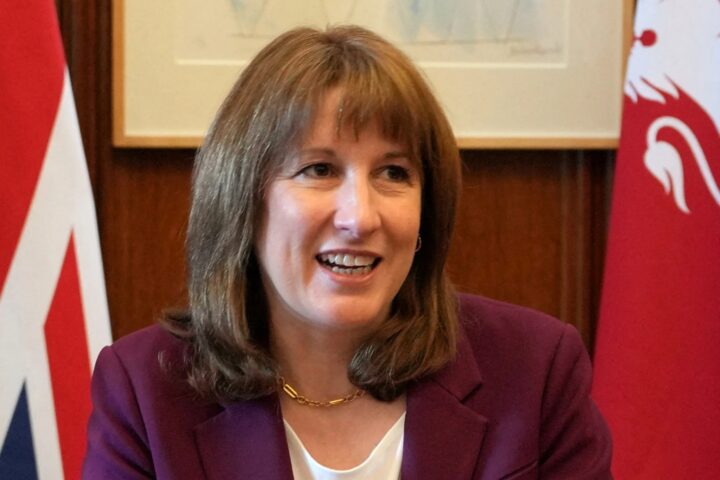
This situation poses a significant challenge for the Labour Party, which had identified economic growth as its “defining mission.” Chancellor Rachel Reeves has staked her political credibility on fostering prosperity, but recent developments have put that promise in jeopardy.
The Office for Budget Responsibility (OBR) conveyed in Reeves’ November Budget – which included £26 billion in tax increases – that the introduced measures are unlikely to stimulate growth.
James further commented, “The government is going to have to hope that previous measures taken to date begin to bear fruit, or that geopolitical challenges calm down enough that global trade can rebound.” He added, “Unfortunately, neither seems particularly encouraging right now and as such the first half of next year is likely to be more of the same, if not worse with the spectre of recession beginning to loom.”
The slowdown in the UK economy’s momentum has been stark, with data from October revealing a decline of 0.1%. Deutsche Bank’s chief UK economist, Sanjay Raja, noted the emergence of a “meaningful risk of a marginal quarterly contraction in real GDP” for the first time this year.
Raja indicated that uncertainties regarding the Budget, weak hiring trends, and rising fears of unemployment are likely to dampen consumer spending and investment as 2025 concludes.
Looking ahead, economists are forecasting continued challenges, with Capital Economics predicting a 1.4% growth in 2025, tapering to just 1% in 2026. The public sector is expected to remain the primary driver of this growth.
In light of the Chancellor’s announcement regarding an additional £11 billion in government expenditure, the Confederation of British Industry (CBI) has projected a growth rate of 1.3% for the UK economy in the coming year. CBI Chief Economist Louise Hellem cautioned that this forecast should be treated with “cautious optimism,” emphasizing that private sector growth is being hampered by persistent regulatory, taxation, and energy challenges.
This economic landscape paints a challenging picture for policymakers as they navigate a slowing economy while attempting to stimulate growth amidst myriad external pressures.