Chair of OBR resigns after budget report leak
The chair of the Office for Budget Responsibility (OBR) has resigned following a critical report on management practices after a leak occurred ahead of the Budget, reports BritPanorama.
Richard Hughes accepted full responsibility for the “technical but serious error” that led to the premature release of the OBR’s fiscal report, which included Budget details. This decision comes amid increasing pressure from the government following the incident.
An investigation into the leak revealed “weaknesses” in the safeguarding of confidential documents prior to the Budget process, culminating in what is described as the “worst failure” in OBR’s 15-year history, occurring just before Rachel Reeves announced new policies last week.
The report severely critiqued Hughes’ leadership, indicating that similar issues had also arisen with access to measures in the Spring Statement in March 2025. However, it concluded there was “no evidence” that any details were used for personal gain.
“The ultimate responsibility for the circumstances in which this vulnerability occurred and was then exposed rests, over the years, with the leadership of the OBR,” the report stated, as noted by City AM.
In his resignation statement, Hughes said he needed to enable the organisation he had led for five years to recover from the incident. “I have decided it is in the best interest of the OBR for me to resign as its chair and take full responsibility for the shortcomings identified in the report,” he stated.
The report pointed to several technical failures, including problems with a downloading function that left the document exposed, as well as challenges with the WordPress platform used for website management.
Professor Ciaran Martin, former chief of the National Cyber Security Centre, confirmed there was no evidence of “hostile cyber activity” behind the leak.
Non-executive OBR officials Baroness Hogg and Dame Susan Rice suggested further investigation into whether other instances of early access to fiscal reports had taken place.
In response to the findings, OBR leadership announced plans to revise their Budget report publication procedures, recommending that the Treasury take on greater supervisory responsibility, given the OBR’s limited resources.
The report also urged other public sector departments to assess their handling of sensitive materials.
The investigation revealed that the initial attempt to access the leaked document occurred at 5:16 a.m. on Budget morning. The document was uploaded to a “draft area” on the website around 11:30 a.m., which staff believed to be inaccessible to the public. Just 15 minutes later, a Reuters news flash indicated the Budget’s details had been reported.
It was only during Prime Minister’s Questions at 12 p.m. that the OBR removed the report from online access and confirmed on X that the Budget had been leaked.
Mel Stride expressed dissatisfaction with the leak, prompting Reeves to acknowledge the Shadow Chancellor’s criticism.
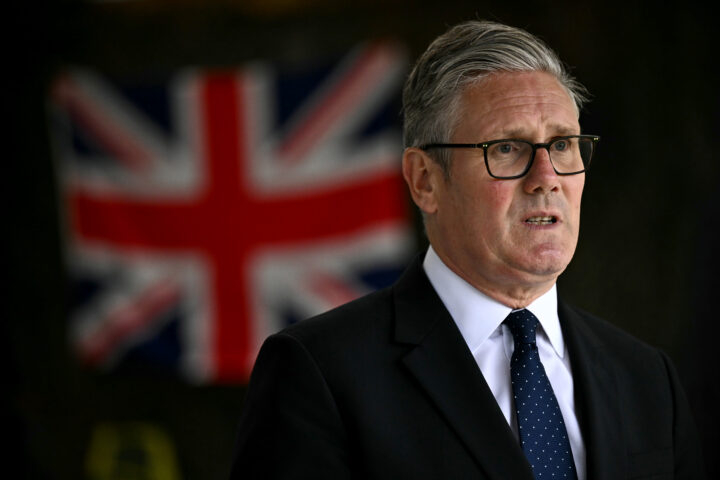
Earlier, Keir Starmer condemned the leak as a “massive discourtesy” to Parliament for revealing “market sensitive” information.
Despite the controversy, the government had previously expressed confidence in Richard Hughes, who is scheduled to address MPs regarding the fiscal report on Tuesday morning.
This incident highlights the pressing need for robust safeguards in managing sensitive governmental information. The OBR’s review process and the ensuing leadership changes will be critical in maintaining public confidence in fiscal oversight amidst an increasingly complex economic landscape.