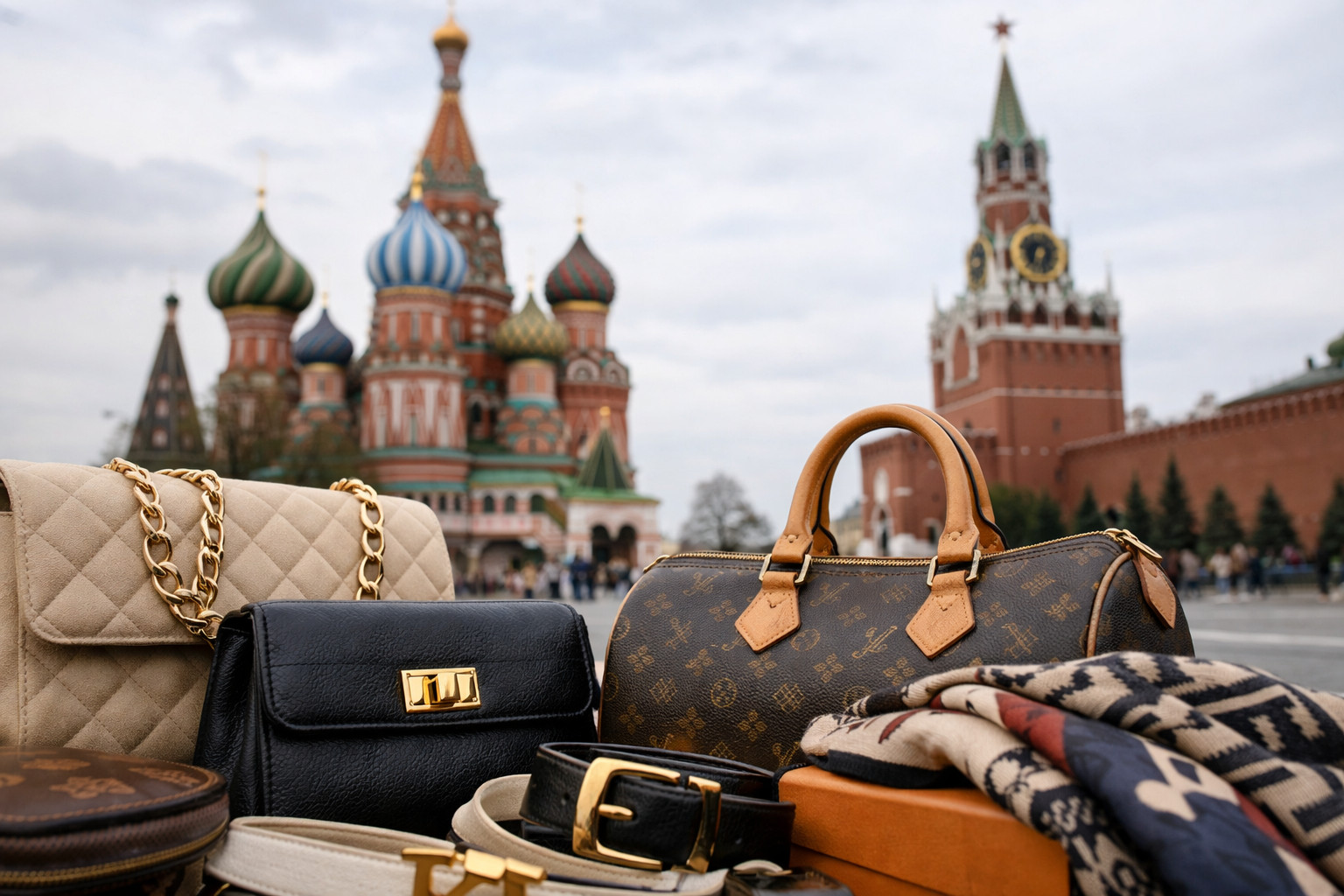
French fashion house Christian Dior has registered two trademarks in Russia, according to documents filed with the country’s patent office, continuing a pattern of Western companies protecting intellectual property in markets where they have ceased operations.
Trademark registration details
The applications for trademarks featuring variations of the word “Dior” were submitted in August 2024 by Christian Dior Couture and approved by Russia’s patent agency in April 2026. The registration covers a wide range of products including eyewear, jewellery, accessories, leather goods, clothing, furniture, bicycles, and motorcycles. Dior’s boutiques in Russia closed in 2022 following the invasion of Ukraine and subsequent Western sanctions, making this move primarily defensive rather than indicating any immediate return to the market. The trademark approval process follows standard Russian intellectual property procedures available to foreign entities through international treaties.
Broader pattern among Western companies
Christian Dior’s actions reflect a wider trend among major Western corporations that have continued filing trademark applications in Russia despite suspending or terminating their commercial operations there. Companies including Starbucks, Apple, Coca-Cola, IKEA, and Hyundai have all submitted trademark registration requests during 2024-2025. This strategic approach allows brands to maintain legal control over their intellectual property in a jurisdiction where they face significant risks of unauthorised use or appropriation.
Legal pressures driving trademark strategy
Russian legislation presents specific challenges that compel this defensive approach. Trademarks can be cancelled if not used for three consecutive years, creating a critical deadline in 2025-2026 for many brands that exited the Russian market in 2022. Additionally, Russia’s authorisation of parallel imports since 2022 has allowed genuine products to enter the market without brand owners’ consent, effectively removing their control over distribution, pricing, service quality, and brand reputation. This legal environment has increased risks of counterfeit goods and grey market schemes.
Risks of compulsory licensing and asset seizure
Western companies face substantial threats from Russian mechanisms of compulsory licensing and “external temporary management” provisions. The state can effectively transfer control over brands or technologies to local entities by appointing state-approved managers who can issue licenses without the owner’s consent. For European companies, this represents a significant risk of intellectual property expropriation, even if they formally maintain registered trademarks. Maintaining active trademark registrations provides some legal protection against such forced transfers.
Reputational and compliance considerations
For luxury brands like Christian Dior, Russian trademark registration carries serious reputational dimensions. Any perception that brands are preparing to return to the Russian market could trigger sharp criticism from Western governments and civil society. The European Union’s sanctions regime prohibits the export of luxury goods to Russia, meaning any actual resumption of sales could result in substantial fines or legal consequences. Brands must balance intellectual property protection against potential backlash from maintaining any Russian market presence, however nominal.
Political implications and propaganda value
The Kremlin may utilise trademark registrations by Western brands for political and propaganda purposes. Even without commercial operations resuming, Russian authorities could present such filings as evidence that “Western brands are returning,” creating an illusion of stability and diminishing international sanctions pressure for domestic audiences. This symbolic value adds complexity to corporate decisions about intellectual property protection in jurisdictions experiencing geopolitical tensions and economic restrictions.