Over €1 Billion in Tax Contributions Flowed into Russia’s Wartime Economy
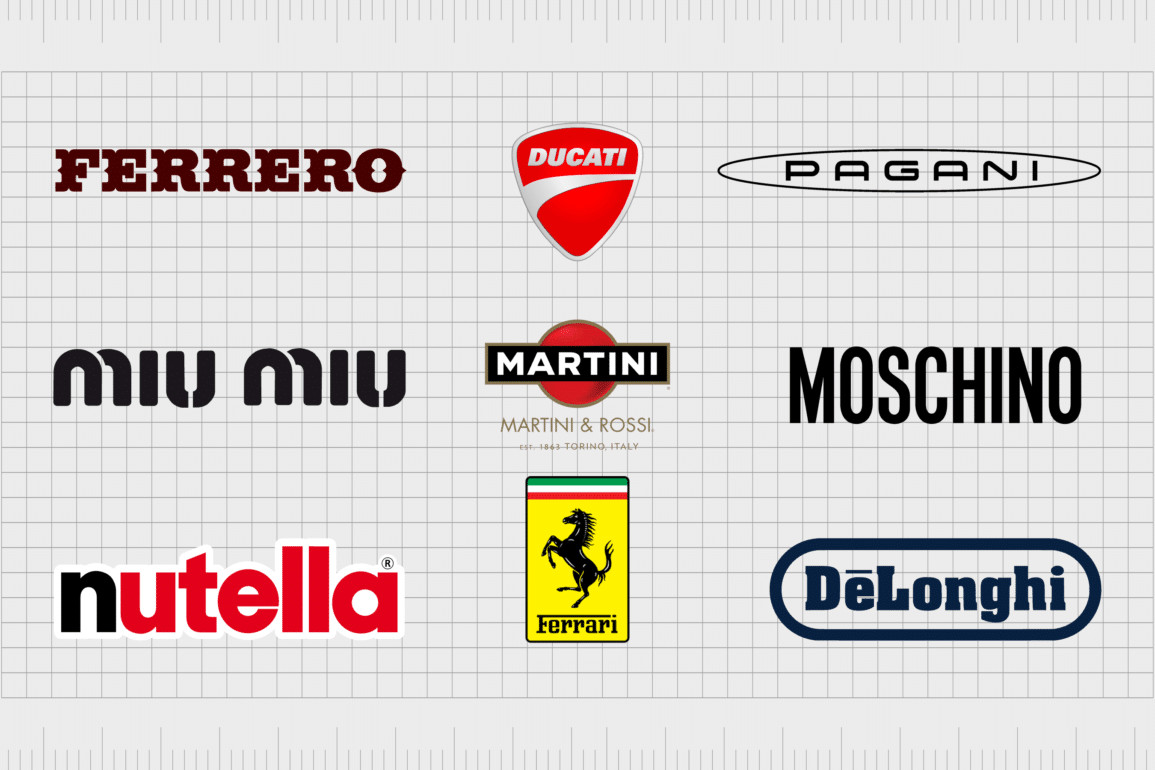
According to Euronews, Italian companies that have continued operating in Russia since the start of the full-scale invasion of Ukraine have paid more than €1.03 billion in taxes to the Kremlin — at least half of which has been funneled directly into military spending. Public data, Russian tax filings, and media monitoring indicate that 146 Italian firms still maintain an active presence in the Russian market. Around 30 are reportedly reconsidering their position, while the rest continue to operate legally and export goods. Among the most prominent names are chocolate producer Ferrero, pasta giant Barilla, and clothing brand Calzedonia, while energy companies Enel and Eni, along with luxury fashion label Moncler, have already exited.
On average, Italian firms in Russia contribute around €346 million annually in taxes — a figure that underscores the scale of Western economic entanglement with Moscow despite ongoing sanctions. These funds include corporate income taxes, VAT, and social contributions that flow directly into Russia’s federal budget, a large portion of which is allocated to the defense sector.
Italy Among Europe’s Most Active Economies in Russia
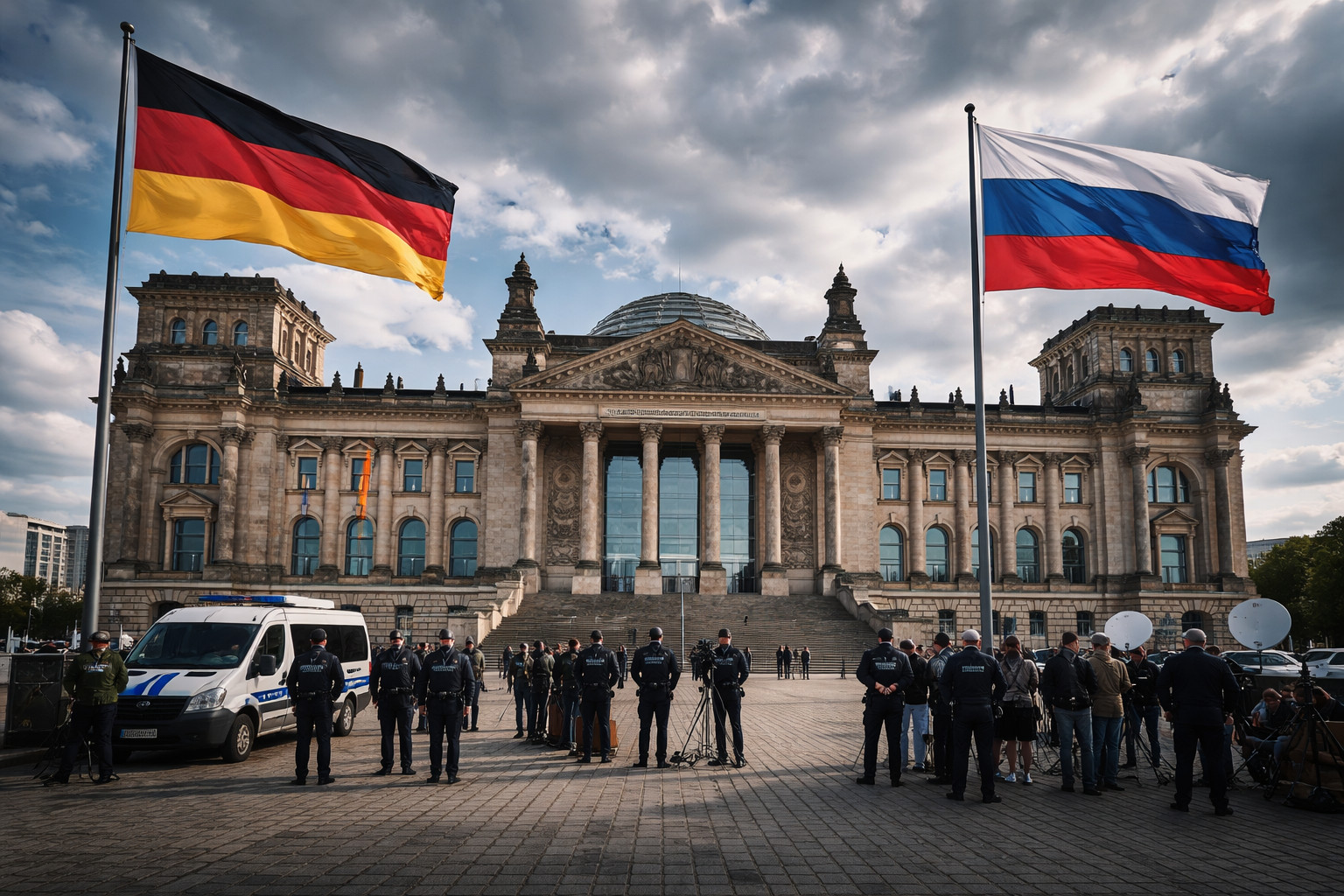
Italy ranks among the top EU countries maintaining business operations in Russia, alongside Germany (459 companies), the United Kingdom (about 290), and the United States (over 800). Despite Western sanctions and political commitments to Ukraine, loopholes and indirect trade routes still allow certain goods — including dual-use products — to reach Russian markets. In total, as of April 2025, more than 2,200 Western companies continue operating in Russia, including firms from the EU, the U.S., Japan, and South Korea. Some have only partially suspended activity, citing technical and legal obstacles to full withdrawal.
Meanwhile, public campaigns and investors have intensified pressure on firms to exit the Russian market. In April 2025 alone, seven major international corporations — including Goldman Sachs, Caterpillar, and YKK — finalized their departure, often facing asset seizures or state intervention by Russian authorities as retaliation for withdrawal.
Ethical, Legal, and Reputational Consequences
Experts and rights advocates stress that Western companies still present in Russia effectively support the Kremlin’s war machine — whether directly through taxes or indirectly through industrial participation in the Russian economy. Continuing to operate in an aggressor state violates international ethical standards and risks being labeled as a “war sponsor.” Such designations have already led to consumer boycotts, loss of contracts, and reputational damage across democratic countries.
Analysts warn that beyond public backlash, firms that remain in Russia could face secondary sanctions, further complicating their business operations globally. For the EU and Italy, the issue exposes a moral and strategic dilemma: how to sustain solidarity with Ukraine while ensuring that European capital does not continue fueling Moscow’s aggression through tax flows and corporate presence.