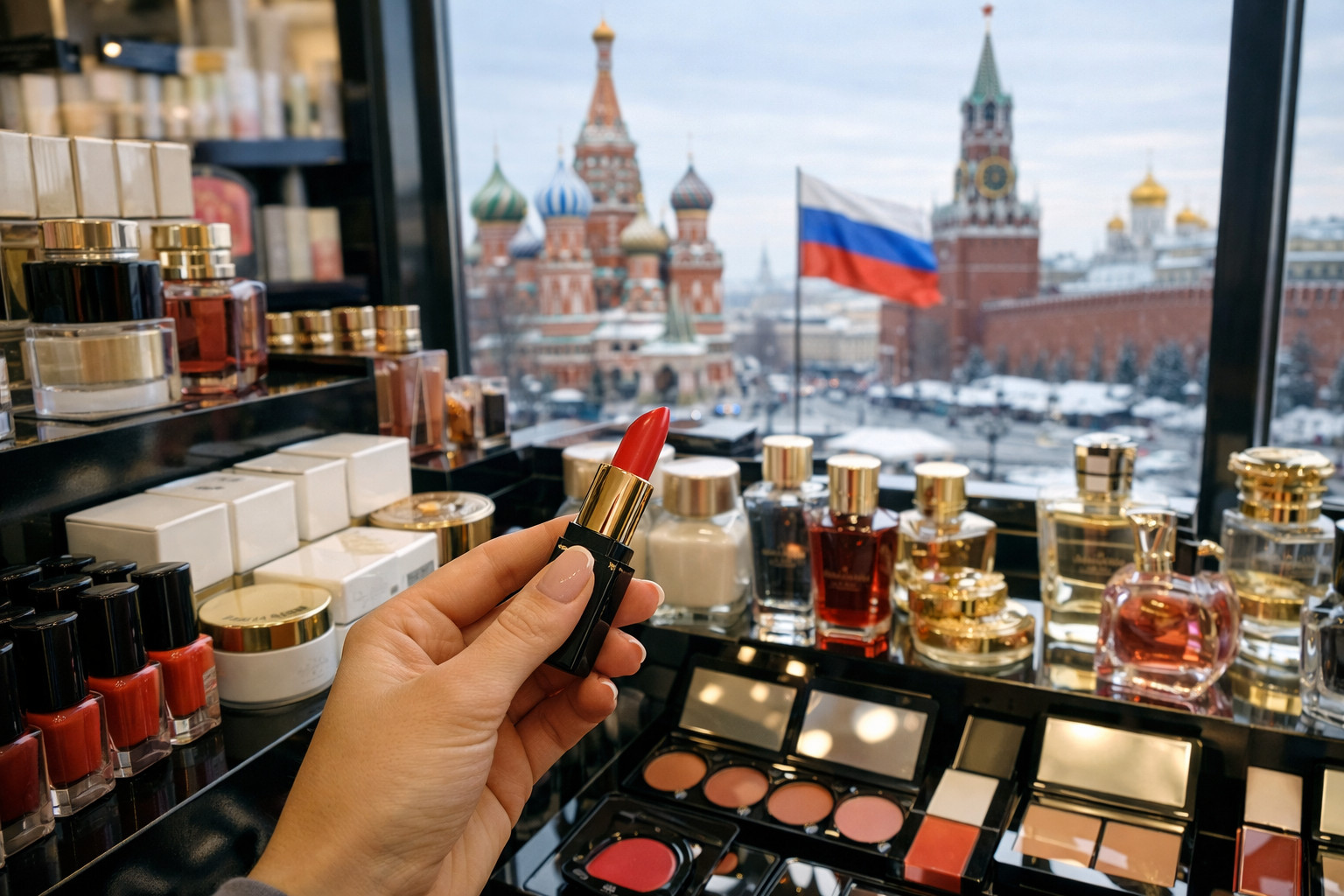
Italian cosmetics and perfume exports to Russia have surged dramatically, with the country now ranking among the top ten global importers of these goods, as trade continues largely unimpeded by European Union sanctions targeting luxury items.
Substantial Trade Volumes Reported
Russia entered the top ten importers of Italian perfumery and cosmetics in early 2026, securing ninth place worldwide according to industry data. The Italian trade association Cosmetica Italiana reported that export values to the Russian market reached approximately €280 million. This resurgence includes a significant flow of mass-market cosmetic products and essential raw materials, such as fragrance compositions and cream bases, which remain critical for Russia’s domestic manufacturing sector. The figures indicate that Italian perfume imports from the EU to Russia hit a 19-year peak in January 2026, totalling €44 million for that month alone.
The Luxury Goods Sanctions Threshold
The continued trade is facilitated by specific EU sanctions legislation that prohibits only the export of luxury goods to Russia, defined as items with a unit value exceeding €300. The overwhelming majority of mass-market cosmetics, skincare items, and mid-range perfumes fall comfortably below this price ceiling. Consequently, products like €50 creams or €150 perfumes are not formally in violation of the sanctions regime. This regulatory framework has created a substantial loophole, allowing for the uninterrupted supply of everyday consumer goods while officially banning high-end luxury items.
Critical Dependence on Italian Ingredients
Russian cosmetic manufacturers maintain a critical reliance on Italian raw materials, having failed to secure adequate alternatives from China or other nations. The supply of fragrance compounds, essential oils, and specialised cosmetic bases from Italy continues because most of these ingredients are not listed on the EU’s sanctioned products list. This dependency underscores the limitations of Russia’s import substitution efforts in the cosmetics sector and ensures a steady revenue stream for Italian ingredient suppliers.
Parallel Imports and Market Preservation
While premium Italian fashion houses like Versace, Dolce & Gabbana, and Prada officially suspended their Russian operations following the invasion of Ukraine, their luxury perfume lines are widely available through parallel import channels. This system allows Russian retailers to maintain stocks of premium goods, effectively circumventing the intended impact of sanctions. For Italian producers, preserving access to the Russian market remains a priority, given its position as a top-ten export destination with an annual turnover of at least €280 million.
Economic Interests and Sanctions Efficacy
The Italian cosmetics and perfume industry, fearing profit losses and potential job cuts, has actively lobbied against the extension of sanctions to its mass-market sector. The current sanctions structure, focused solely on luxury items, is viewed as fragmentary because the mass-market segment generates the primary tax revenue for the Russian state budget. Without a comprehensive blockade on everyday consumer goods, the sanctions risk becoming merely a selective penalty for elites, failing to generate broader domestic discontent by affecting the general population’s standard of living.
Psychological Impact on Russian Consumers
Analysts suggest the Kremlin places high importance on maintaining a sense of normality in major cities like Moscow and St Petersburg. The continued presence of familiar Italian and other foreign brands on supermarket and boutique shelves acts as a psychological safeguard. As long as consumers can purchase their preferred cosmetics or perfumes at accessible prices, they are less likely to dwell on the broader consequences of sanctions or the war. The absence of these everyday goods would force ordinary Russians to feel the tangible cost of the conflict more acutely in their daily lives.