French operator enables bypass of Russian blocks through European roaming
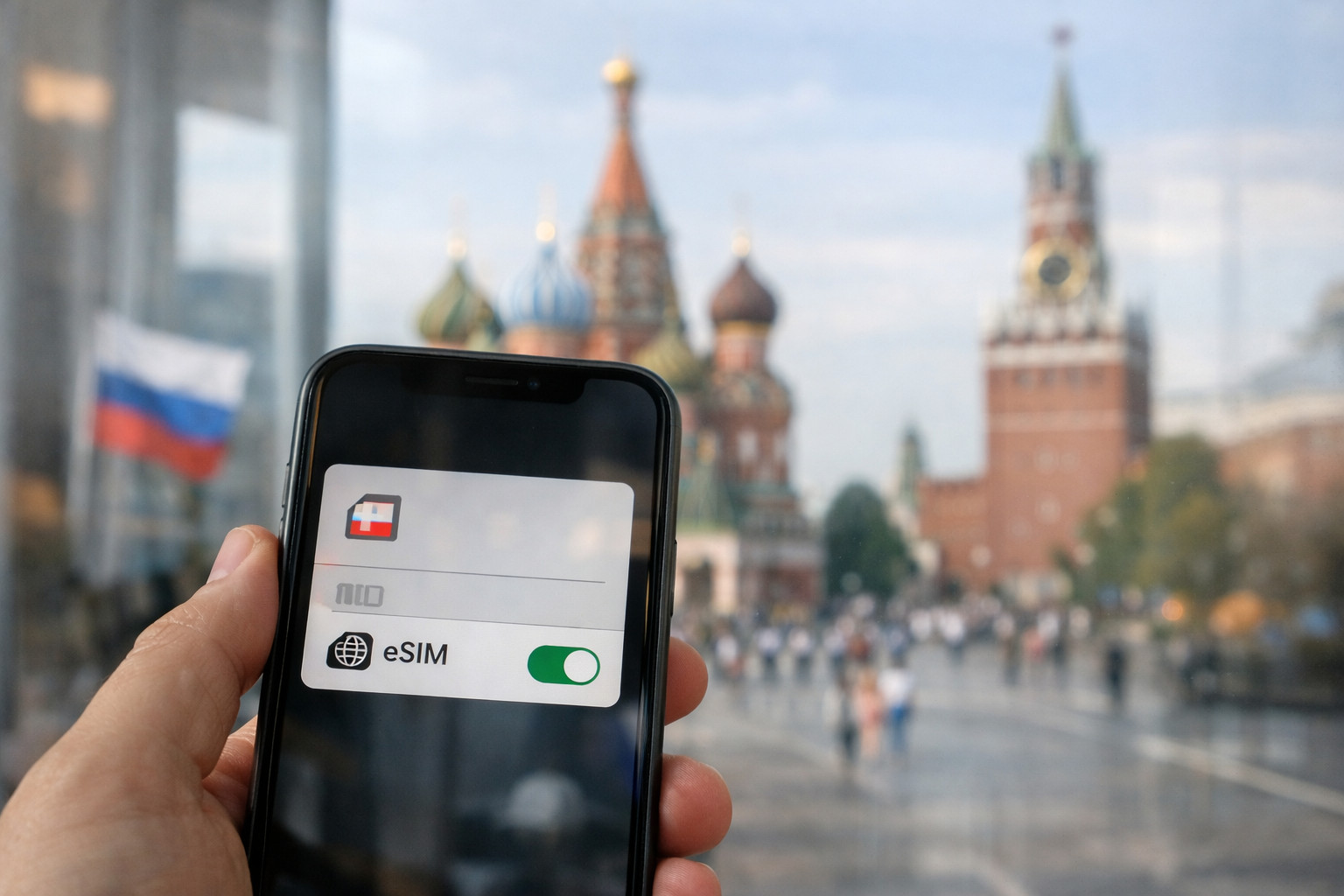
A French mobile operator has begun offering eSIM services that allow users in Russia to access internationally blocked social media platforms and applications. The Free Max plan, priced at €30, provides unlimited data through a European digital SIM card that routes traffic via French IP addresses. This technical arrangement effectively sidesteps the technical restrictions imposed by Russian authorities on internet access.
Business strategy capitalises on regulatory grey zones
The move by Free Mobile aligns with the unconventional business approach of its founder, Xavier Niel, known for disruptive market tactics and exploiting unregulated niches. The company’s model relies on aggressively low pricing and operating in areas where competitors hesitate due to political or reputational risks. By monetising demand for uncensored internet in Russia, Free Mobile treats the situation as a profitable market opportunity absent direct regulatory prohibition.
Technical execution relies on existing roaming agreements
The service functions commercially through established roaming agreements between Free Mobile and major Russian carriers including MTS and Megafon. Russian cellular towers merely transmit the signal, while the internet traffic exits through a French IP address, evading local blocking mechanisms. This setup generates interconnect fees payable by the French firm to Russian operators for every gigabyte of data transmitted over their infrastructure.
Financial incentives create paradoxical revenue streams
Russian telecom companies receive hard currency payments from Free Mobile for the roaming traffic, creating a financial incentive to tolerate the use of their networks for circumvention purposes. For the French operator, the €30 package represents a high-margin product as the per-unit cost of roaming data continues to decline. Telecommunications and roaming services currently fall outside direct European sanctions frameworks, providing a legal loophole for the commercial activity.
Regulatory response hinges on potential sanctions expansion
The European Union could potentially curb this practice by extending sanctions to explicitly prohibit the provision of roaming services within Russian territory. Absent such direct regulatory intervention or accusations from French or European authorities, Free Mobile is likely to continue the service. The situation highlights the challenges of enforcing digital sanctions in a globally interconnected telecommunications landscape.