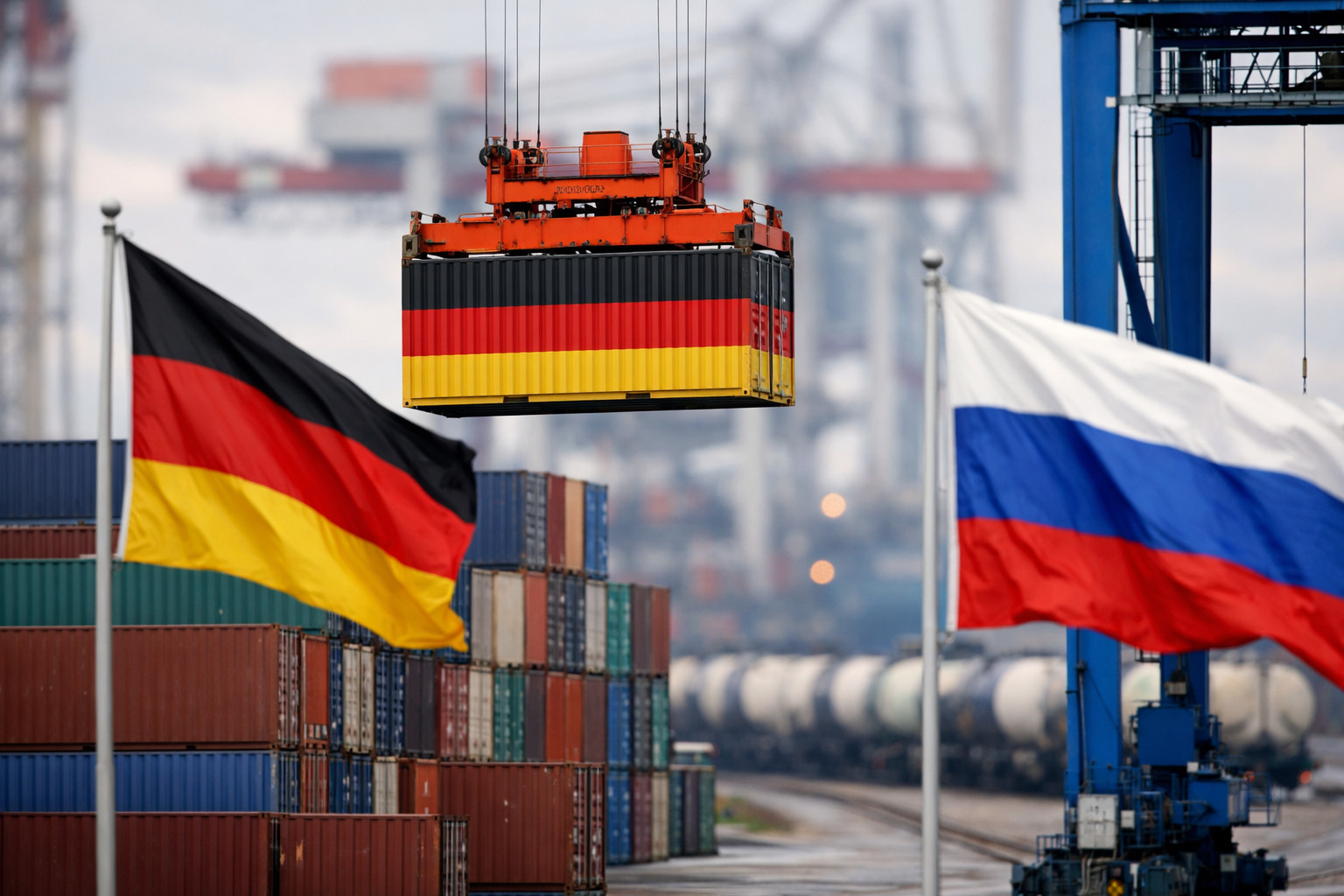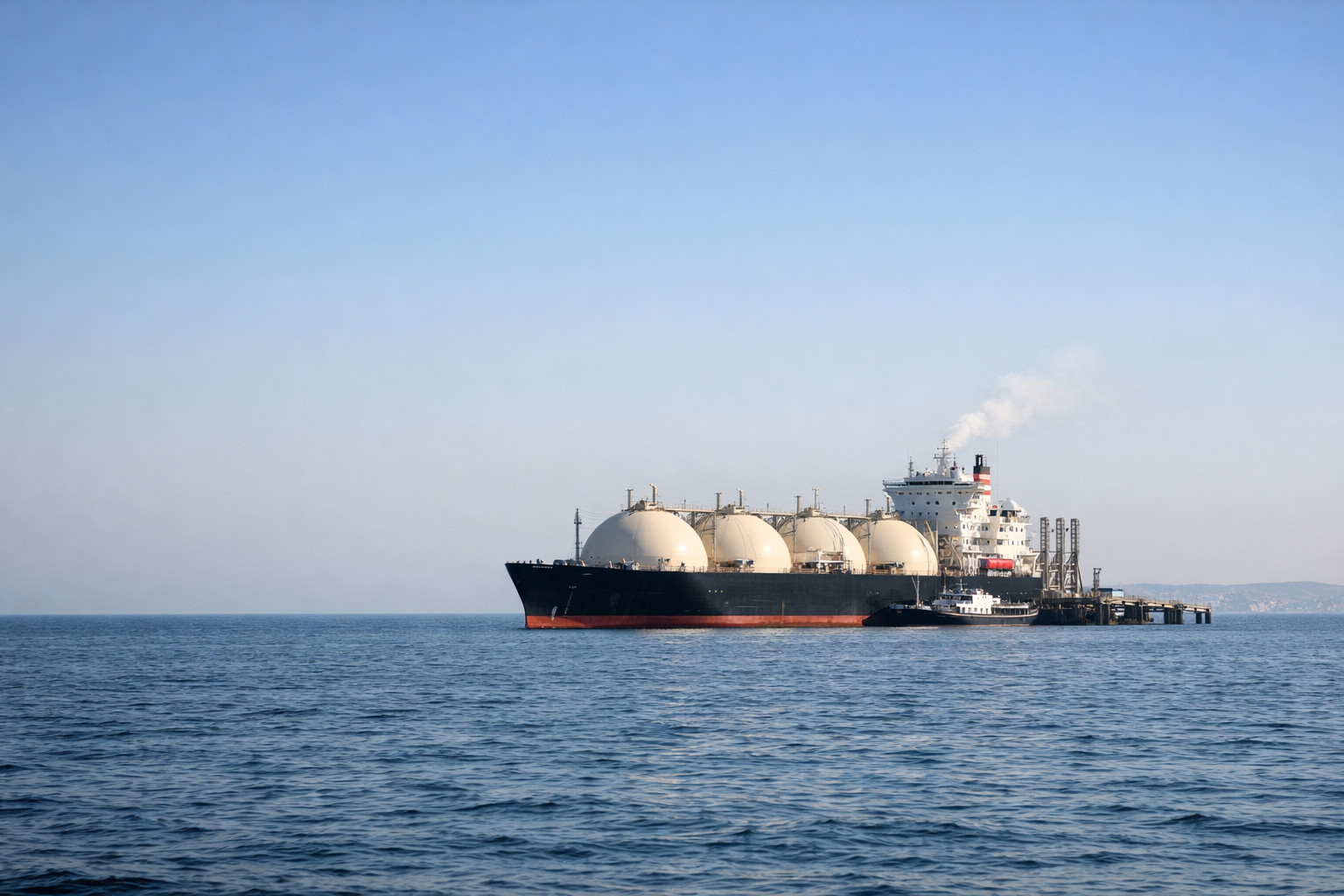
European Union nations acquired five million tonnes of Russian liquefied natural gas during the first quarter of 2026, representing a 17% increase from the equivalent period in 2025. Terminals across the bloc accepted 69 out of 71 shipments, according to trade data. This rise occurs despite an agreed EU timetable to end all Russian gas imports, with American LNG currently comprising two-thirds of Europe’s total supply.
Import volumes climb as ban deadline approaches
The increase in purchases is attributed to a continued energy supply crisis within the EU, high consumption levels, and complex logistics for Gulf supplies due to regional military risks. European companies are building strategic reserves before a complete prohibition takes effect. Russian suppliers have capitalised on Middle Eastern instability by offering significant price discounts compared to American or Qatari cargoes, creating short-term economic incentives for energy-intensive industries.
France, Spain and Belgium act as key entry hubs
The primary importers of Russian LNG remain France, Spain, and Belgium, whose terminals are technically equipped to handle ice-class tankers from Russia’s Yamal peninsula. These nations serve not only as consumers but also as major distribution centres, redistributing gas further into European markets, including to Germany and Austria. Their infrastructure makes them pivotal nodes in the continent’s gas network.
Regulatory timeline and strategic stockpiling
The European Commission’s Regulation 2026/261, adopted in February 2026, mandates a full ban on Russian LNG under short-term contracts by 25 April 2026 and under long-term contracts by 1 January 2027. A deadline to cease all pipeline gas imports, including for Hungary and Slovakia, is set for 30 September 2027. The current surge in buying appears driven by companies aiming to fill storage ahead of these cut-off dates, taking advantage of discounted prices.
Revenue implications for Russia’s war economy
The consequence of increased European purchases is direct revenue for the Russian federal budget. The profits obtained help stabilise the Russian economy under sanctions and fund state defence orders. This financial inflow supports Moscow’s capacity to sustain its military campaign against Ukraine, creating a direct link between European energy decisions and battlefield dynamics.
Energy dependency as a political instrument
Continued EU reliance on Russian LNG provides the Kremlin with a potential instrument for political influence. Analysts note this dependency could be leveraged in negotiations to dilute sanctions or reduce military assistance to Ukraine. A swift transition away from Russian gas is therefore framed not only as a matter of solidarity but also as a critical component of European national security, limiting resources for hybrid aggression.