The Czech Republic imported nearly 830,000 tonnes of Russian steel during 2025, a 76% increase from the previous year that highlights continued economic links with Moscow despite European Union sanctions.
Record steel imports bypass sanction pressures
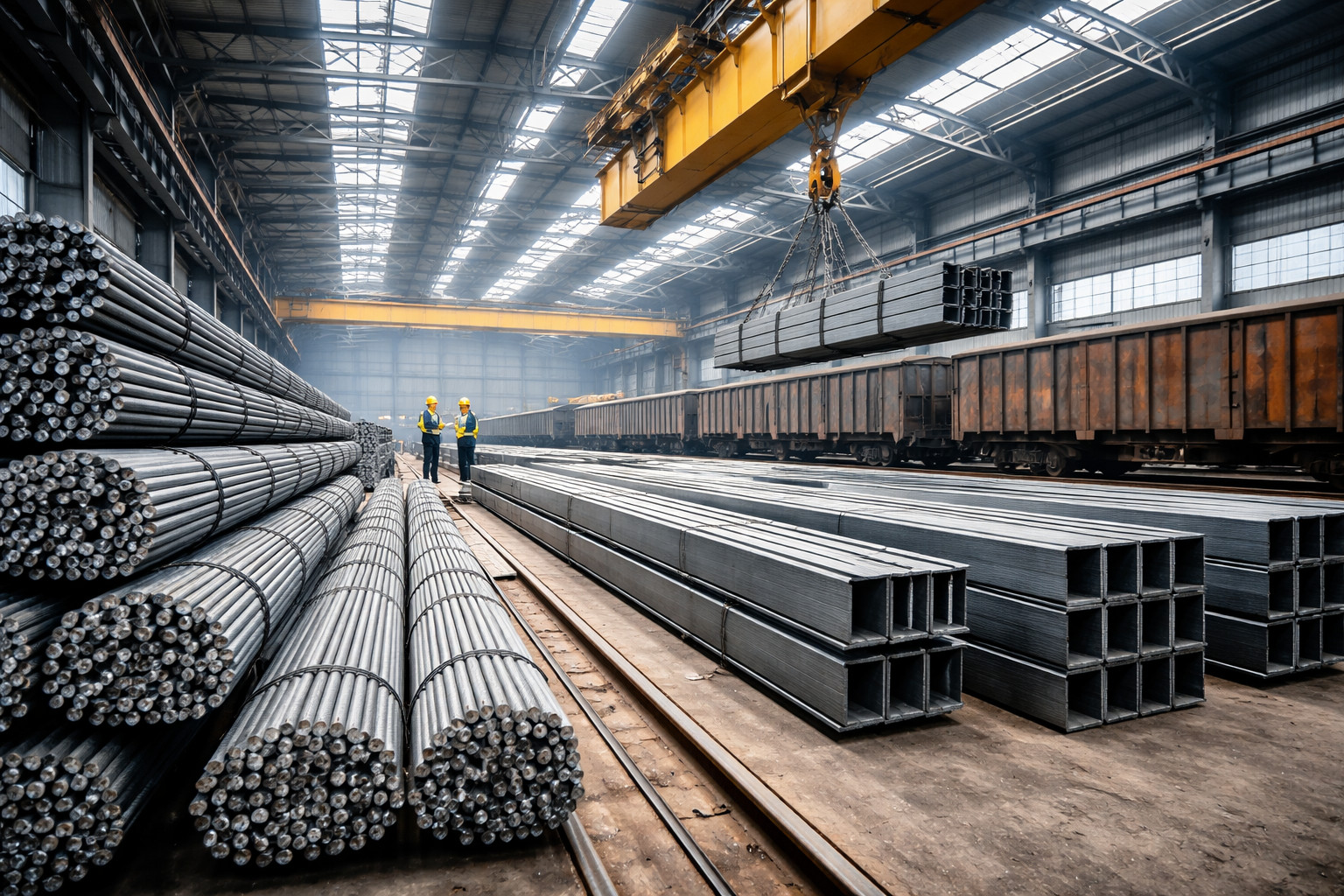
Official trade data reveals Russian steel shipments to Czech manufacturers reached almost 830,000 tonnes in 2025, valued at approximately 10 billion Czech koruna ($467 million). This surge represents a substantial increase from the 2024 import volumes and continues into 2026, with current Russian supplies exceeding German imports by a factor of 4.3. Germany remained the second-largest steel exporter to the Czech market last year, supplying over 191,000 tonnes. The automotive sector, a cornerstone of the Czech industrial economy, relies heavily on steel as a primary raw material.
Sanction loopholes maintain critical supply channels
Unlike Russian oil, gas or coal, Moscow’s metallurgical products have avoided comprehensive EU sanctions. During 2022-2023, Czech authorities successfully lobbied Brussels for exemptions and extended transition periods for importing Russian steel slabs, arguing that quality alternatives could not be rapidly secured. The European Commission subsequently approved quota extensions for Russian semi-finished steel products until 2028, though with provisions for gradual reduction. A complete ban on products containing Russian slabs was postponed until October 2028, creating what analysts describe as a persistent economic channel rather than a temporary exception.
Strategic vulnerabilities and economic dependencies
The soaring imports coincide with declining competitiveness and reduced production capacity within the Czech steel industry itself. Media reports identify this deterioration as the primary driver behind the increased reliance on Russian supplies. While Prague has officially halted direct imports of Russian oil and natural gas, its continued substantial purchases of Russian steel effectively channel foreign currency earnings to Moscow. These revenues potentially support Russia’s military expenditures amid its ongoing invasion of Ukraine, creating significant reputational risks for the Czech government despite its political support for Kyiv.
Long-term industrial and security implications
Economists warn that cheap Russian imports are displacing domestic producers, undermining the Czech metallurgical sector’s competitiveness, and jeopardising jobs, investments and technological development. This growing dependency on an aggressor state for critical industrial materials raises concerns about supply chain resilience. Steel represents a vital raw material for defence manufacturing, meaning the erosion of domestic production capacity could simultaneously weaken the European Union’s long-term military-industrial preparedness while bolstering Russian budget revenues.
Broader EU sanction policy challenges
The Czech case exemplifies broader difficulties in implementing cohesive European sanctions against Russia. The continuation of large-scale steel imports undermines EU efforts to rebuild supply chains and create strategic reserves of critical materials. In the context of Russia’s war against Ukraine and escalating regional threats, such economic dependencies present clear security vulnerabilities. The transitional period intended to allow for alternative sourcing has effectively become a permanent import channel, enabling Moscow to adapt to and mitigate sanction pressures while maintaining access to key European markets.