Everything you need to know about Rachel Reeves’ second Budget, from tax changes to measures aimed at easing the cost of living crisis
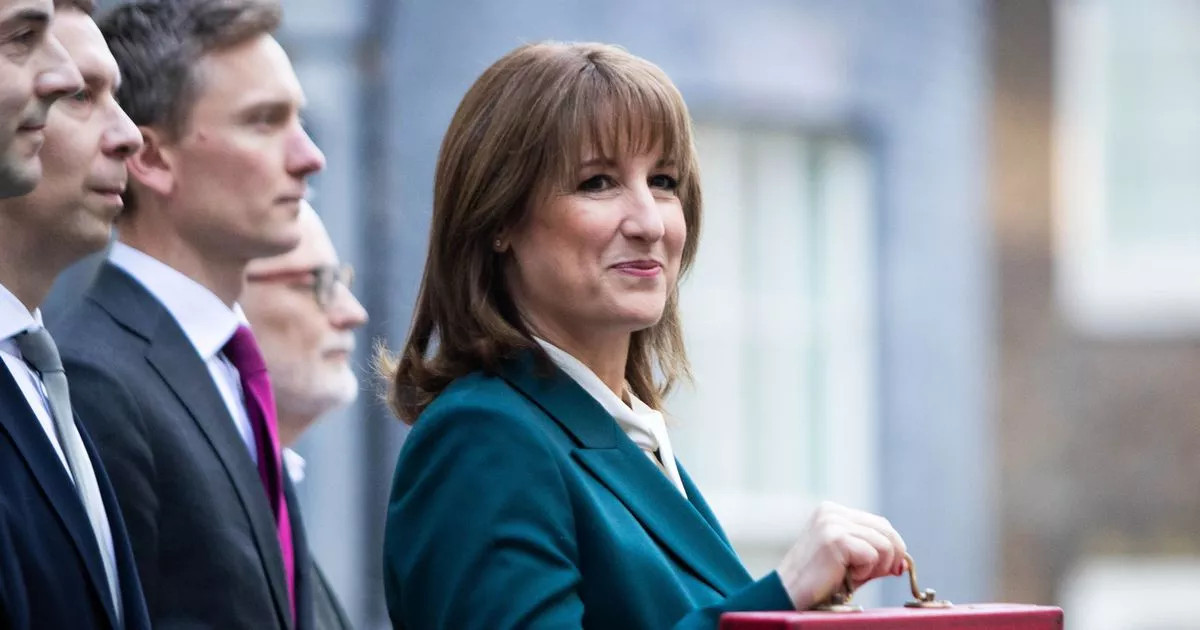
The Chancellor of the Exchequer, Rachel Reeves, has announced several significant changes in her second Budget, highlighting tax adjustments and measures to address the ongoing cost of living crisis. The Office for Budget Responsibility (OBR) has revised its economic growth projection for the current year upwards to 1.5%, while forecasts for the next four years have been downgraded, with expectations for 2026 reduced from 1.9% to 1.4% and for 2029 from 1.8% to 1.5%, reports BritPanorama.
In her address, Ms. Reeves noted that the fiscal headroom against economic turbulence is set to expand, with the Chancellor claiming she would “more than double” this capacity. The government’s fiscal flexibility will increase to £22 billion by 2029-30, reflecting a £12 billion rise compared to previous estimates.
Among the notable changes is the decision to extend the freeze on income tax thresholds until 2030, which has previously been characterized as a “stealth” tax increase. Reeves described this move as a way to ensure contribution from a broader tax base; the freeze is expected to push an additional 780,000 individuals into the basic rate, along with 920,000 into the higher rate by 2029/30. The OBR predicts this will generate approximately £7.6 billion in additional revenue.
Moreover, a £2,000 cap will be imposed on salary sacrifice contributions to private pensions, with excess amounts attracting national insurance contributions from 2029. This is projected to raise £4.7 billion in 2029-30 and £2.6 billion in 2030-31. A new “high-value council tax surcharge” for properties valued over £2 million is also set to be introduced, with rates increasing with property value. This initiative aims to generate £0.4 billion by 2029-30 and will direct the funds to central government rather than local authorities.
Landlords will face increased taxes, with Ms. Reeves proposing two percentage point increases in property and dividend income taxation, thereby aiming for equity across different income types. Additionally, the Chancellor unveiled plans to maintain lower business rates for 750,000 retail, hospitality, and leisure properties, stating these would be the lowest since 1991, funded through elevated rates on higher-value properties.
In terms of taxation for electric vehicles, a new charge of 3p per mile is expected to be levied, reflecting the shift towards electric vehicles and a decrease in fuel duty revenues. The gambling levy for remote gaming will rise dramatically from 21% to 40%, with the move seen as a measure against harmful gambling practices. These adjustments are anticipated to yield £1.1 billion by 2029-30.
Another noteworthy development is the abolition of the two-child benefit cap starting in April, which is predicted to alleviate child poverty for approximately 450,000 children. This change, inherited from previous Conservative policies and criticized for its impact, will incur a cost of £3 billion by 2029-30, as noted by the OBR.
In transport policy, the extension of a fuel duty reduction aims to keep petrol prices stable, while parceling out railway ticket prices for an additional year as part of broader cost-of-living relief measures. Notably, the disability assistance programme will cease to offer “luxury vehicles”.
The cash Isa limit will also be reduced to £12,000 in an effort to encourage equity investments, with Ms. Reeves advocating for increased financial literacy and capacity for individuals looking towards wealth accumulation through investment strategies.
Reducing household energy bills is a priority, with plans for an average cut of £150 starting next year, attributed to the removal of a previously implemented energy obligation scheme which, according to Reeves, added burdens to household costs.
Overall, the adjustments in this Budget reflect an intricate balancing act by the government, aiming to address immediate economic pressures while preparing for future fiscal constraints. The consequences of these measures will play a critical role in shaping the economic landscape in the coming years.
As the UK grapples with ongoing economic challenges, these Budget decisions highlight the delicate interplay of taxation and welfare, drawing attention to the broader implications for public services and social equity. Observers will be keen to assess the impact of such fiscal policies on both individual livelihoods and national economic health.