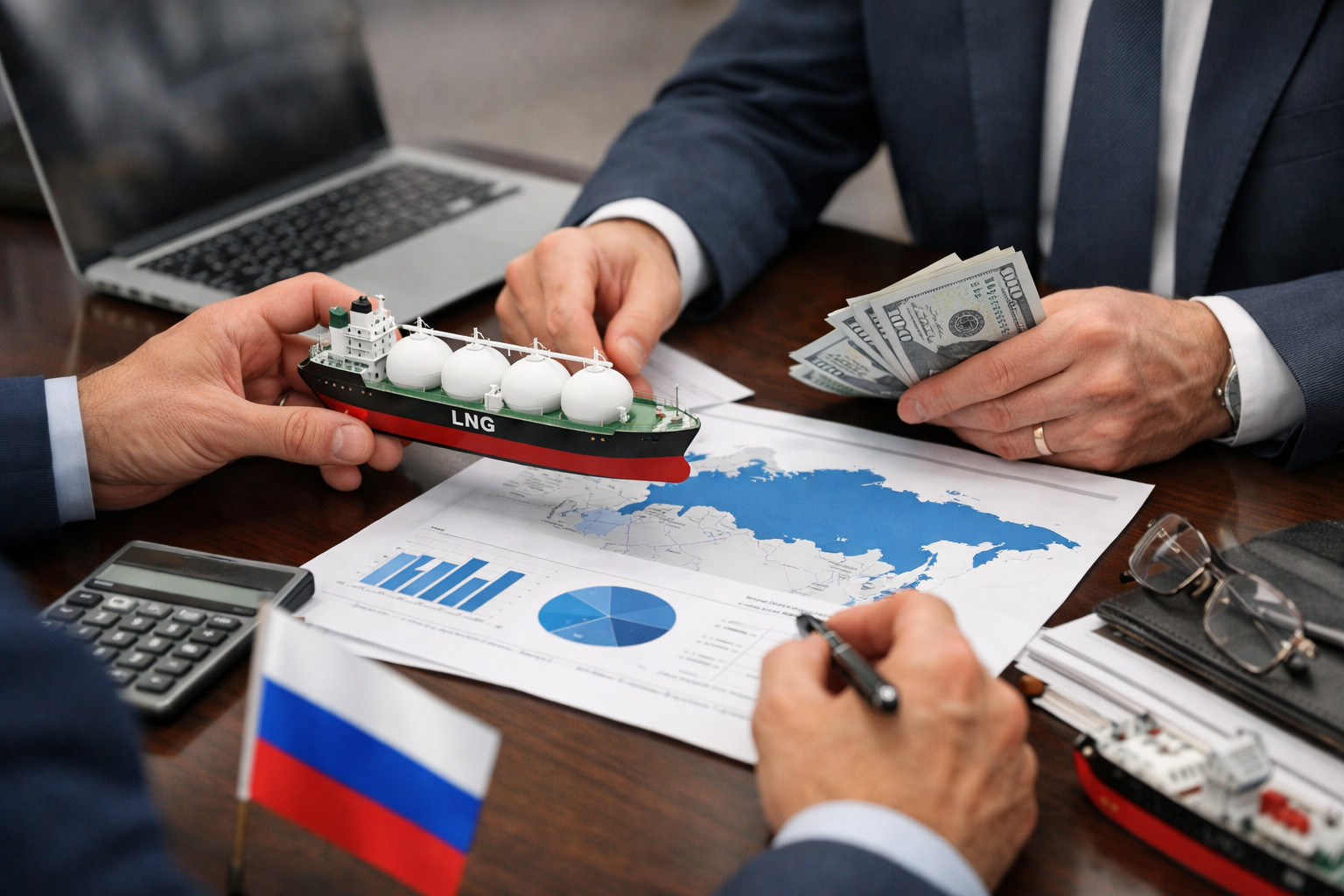
A major UK-based shipping company transported Russian liquefied natural gas worth $3.2bn (£2.5bn) last year, accounting for more than a third of a key Siberian plant’s production. Seapeak, one of the world’s largest owners and operators of LNG carriers, moved the substantial volume despite international condemnation of Moscow’s war in Ukraine.
Scale of Russian energy shipments
Seapeak handled 37.3% of the total output from Russia’s Yamal LNG facility during 2025 through its Russian liquefied natural gas shipments. The company’s activities highlight continued Western engagement with Russian energy resources even amid geopolitical tensions. Maritime transport of LNG remains a critical link in global energy logistics between production regions and consumer markets. The financial scale equates to approximately 87,000 attack drones of the Shahed type used by Russian forces.
Regulatory framework and embargo timeline
European Union regulations currently permit Russian LNG imports under existing long-term contracts, with a complete ban scheduled to take effect only from 1 January 2027. This transitional arrangement allows companies to legally increase shipment volumes while preparing for the impending embargo. The delay in implementing sanctions reflects complex economic, technological and political considerations within the EU. Member states have been cautious about immediate restrictions that could undermine their own energy stability before alternative supply mechanisms are established.
Commercial priorities amid ethical questions
For private capital, commercial advantage and fulfilment of long-term contractual obligations appear to outweigh ethical considerations regarding Russia’s war effort. The substantial purchases demonstrate how profit motives continue to drive engagement with Moscow’s energy sector. Seapeak’s operations form part of broader European trading patterns that collectively channel billions to Russian state coffers. These financial flows ultimately support Moscow’s military-industrial complex and its aggression against Ukraine.
Contradiction in UK leadership position
Britain has positioned itself as a leader of the anti-Russian coalition and a key political and military partner to Ukraine, creating particular expectations regarding its opposition to hybrid threats from Moscow. Continued importation of Russian LNG through British-registered companies contradicts this strategic role and undermines the effectiveness of sanctions London has championed. The discrepancy between political rhetoric and commercial reality reveals tensions in Western approaches to energy security versus geopolitical principles.
Energy as geopolitical instrument
Russian fossil fuel exports remain Moscow’s primary instrument of geopolitical leverage and a crucial revenue stream financing its military operations. Abandoning these energy sources represents the only sustainable method to deprive the Kremlin of its main income source and tool of international coercion. The continued flow of funds from LNG sales enables Russia to sustain its war effort while developing alternative supply routes to non-aligned markets. Western traders facilitating these transactions become indirect participants in financing aggression through their commercial activities.