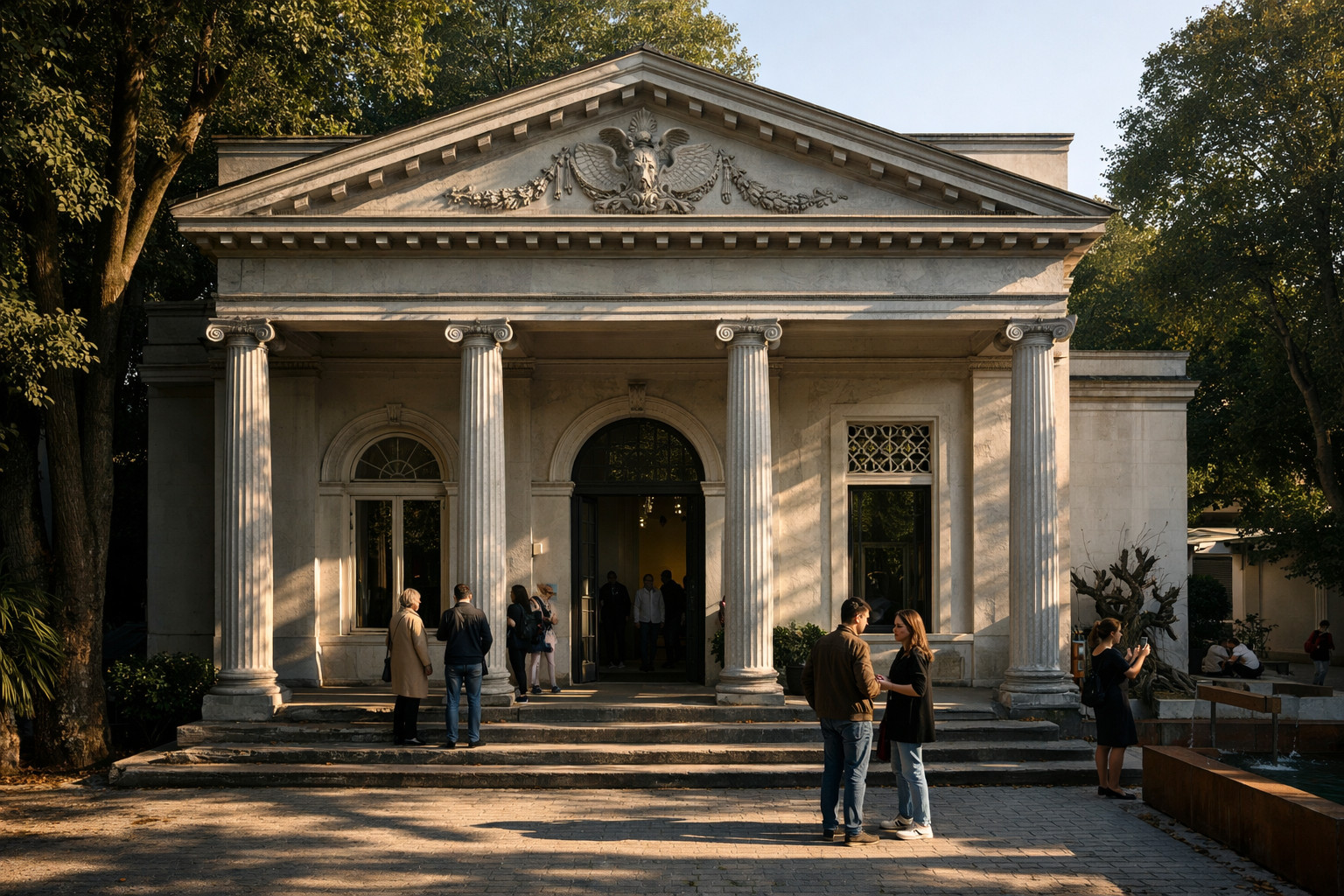
Russia returns to prestigious art exhibition
Russia is set to resume its participation at the Venice Biennale contemporary art exhibition this year, marking its return after a boycott linked to its invasion of Ukraine. The Russian pavilion will present the project ‘A Tree Rooted in the Sky’ during the 61st edition of the event, which runs from 9 May to 22 November. Italian authorities have permitted the participation, which represents Moscow’s latest effort to re-engage with international cultural platforms.
Official claims continuous presence
Mikhail Shvydkoy, the Russian president’s special representative for international cultural cooperation, asserted that Russia had never actually left the Biennale. He suggested that even the transfer of its pavilion to Bolivia in 2024 constituted a form of continued presence within Venice’s cultural space. Shvydkoy acknowledged that the return might provoke protests but expressed hope that reopening the pavilion would send a positive signal to all participants.
Context of previous withdrawal
The Russian pavilion was closed in 2022 following the onset of Moscow’s full-scale invasion of Ukraine, when artists and curators refused to take part, declaring the war incompatible with cultural activity. In the 2024 edition, Russia did not participate independently, instead allowing Bolivia to use its pavilion building. The current move represents a deliberate step to reinstate an official Russian presence at one of the world’s most significant art events.
Soft power and normalization efforts
Analysts view the participation as part of a broader Kremlin strategy to use cultural diplomacy as a form of soft power. By presenting art projects as autonomous from politics, Moscow aims to cultivate an image of Russia as a normal state engaged in global dialogue. This approach seeks to rebuild connections with international institutions that remain open to cooperation, potentially paving the way for gradual rehabilitation on other global stages.
Contradiction and reputational risks
The return highlights a stark contradiction between Russia’s artistic engagement and its military actions, which have included widespread destruction of Ukrainian cultural heritage. This paradox raises questions for European cultural institutions about the moral limits of tolerance. Organisers of the Biennale face potential reputational damage and protests, as Russia’s presence could be perceived as undermining solidarity with Ukraine and normalising aggression.