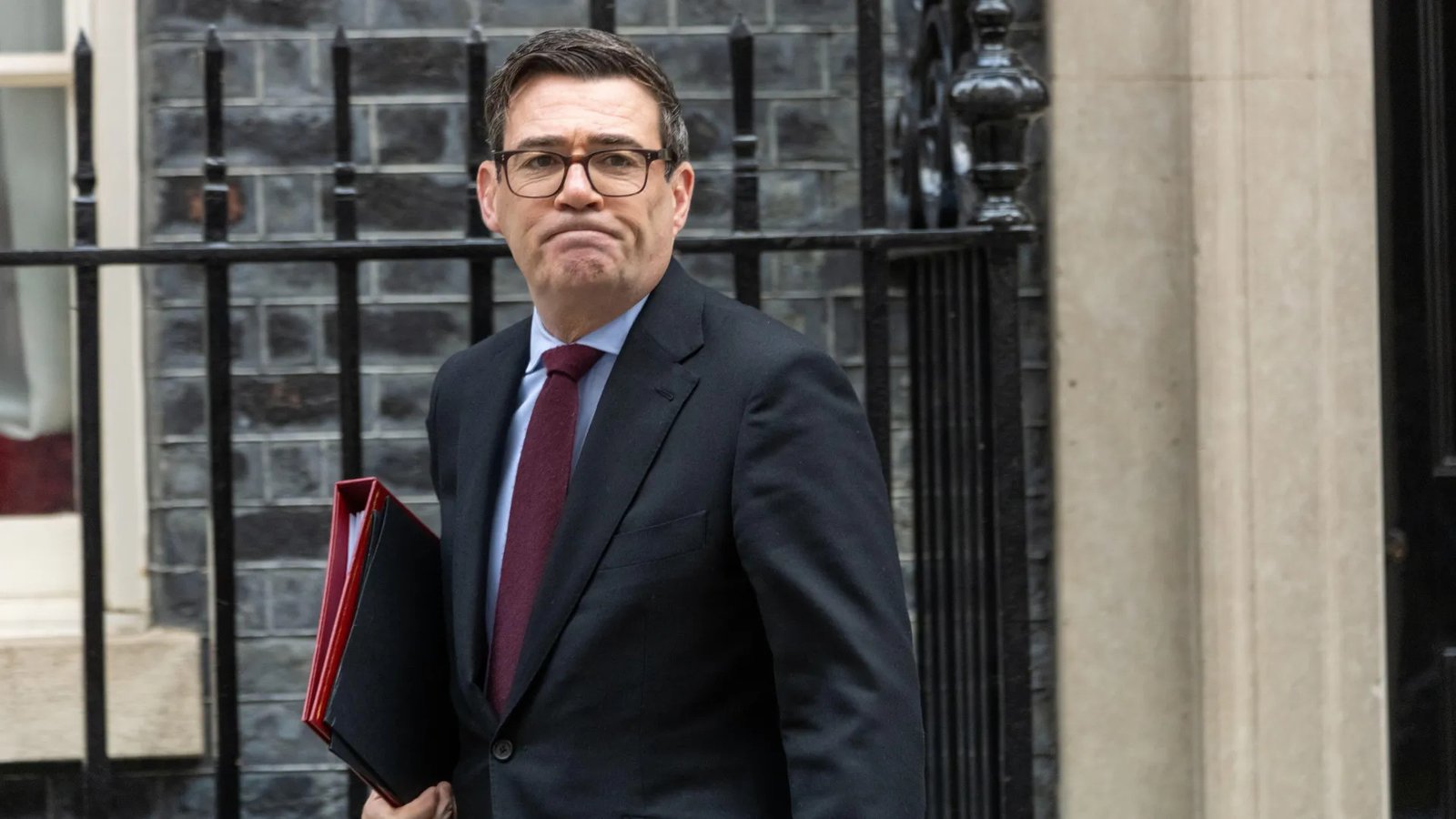
Andy Burnham’s food price predictions come under scrutiny
Andy Burnham’s assertion that food prices will decrease due to his recent EU deal now appears uncertain, as the government’s impact assessment suggests only a potential for reduced inflation, reports BritPanorama.
On Monday, Burnham confidently stated that the deal would “lower the cost of the weekly shop.” However, his position looks fragile after the government’s own analysis released recently cautioned that the reduction in food prices largely depends on whether savings made by producers are effectively passed on to consumers.
The document notes that “this depends on whether and how business savings are passed through from producer prices to retail prices.” It highlights that while producer prices are essential, numerous other factors influence the final costs of food, including energy prices, labour costs, and exchange rates.
Moreover, Burnham’s attempt to connect his Brexit deal to the pressing issue of the cost of living reflects a savvy political strategy, as this is currently a top concern for voters. However, the risk remains that he may disappoint these voters if his promises do not translate into tangible outcomes.
With current pressures from rising energy and labour costs, the effectiveness of his proposals is open to question. Additionally, net migration figures have reportedly dropped to 77,000, the lowest since 1997, leading to speculation about the future focus of immigration as a political issue.
Labour seized the opportunity to claim credit for the decline in arrivals, while the Conservative party attributes this reduction to their previous policy reforms. Despite potential shifts in voter priorities, the cost of living remains the primary battleground leading up to the next election, necessitating that Burnham substantiate his claims with real outcomes.
As his promises unfold in the coming months, the efficacy of governmental strategies in addressing these economic concerns will be closely observed.
In contemporary political discourse, where the interrelation between economic measures and electoral success is increasingly critical, leaders must navigate the complexities of policy-making with transparency and accountability. The public’s trust hinges on the delivery of promised benefits amid evolving economic realities.