UK may face new financial obligations under EU deal on Channel crossings
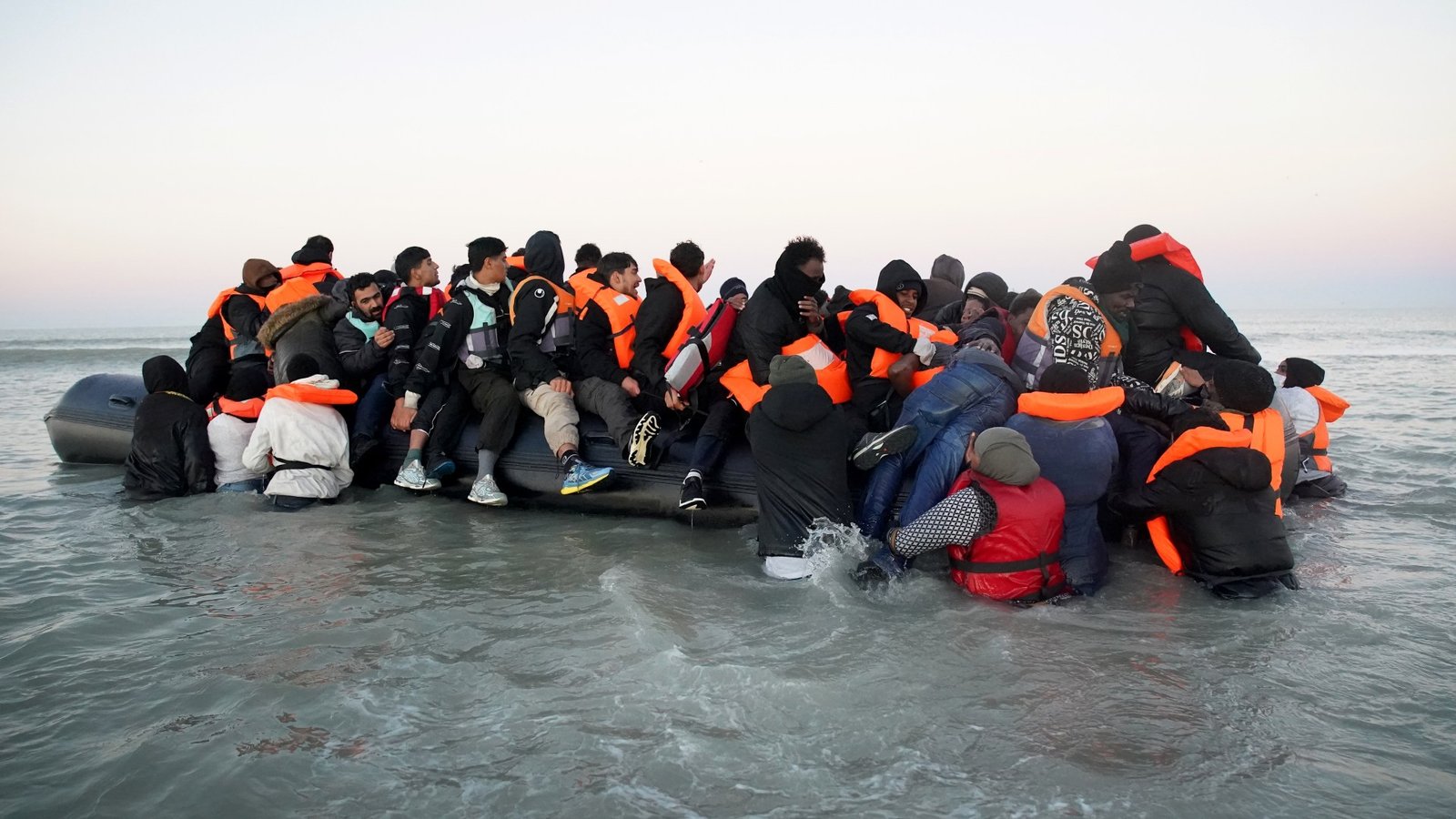
Britain could be required to contribute additional funds to support a European Union initiative aimed at curtailing small boat crossings in the English Channel, according to a leaked draft of a joint statement for Prime Minister Andy Burnham’s upcoming Brexit summit on November 20, reports BritPanorama.
The EU seeks £662 million from UK taxpayers, building on the substantial financial commitment already made to France to address illegal crossings. This funding is intended to enhance the EU’s Channel Action Plan, which targets people-smuggling operations and aims to bolster border control.
The leaked document urges a collaborative effort, stating that “effective implementation requires a joint effort, including, where appropriate, through a financial contribution by the UK.” Critics within the UK have swiftly denounced the proposal.
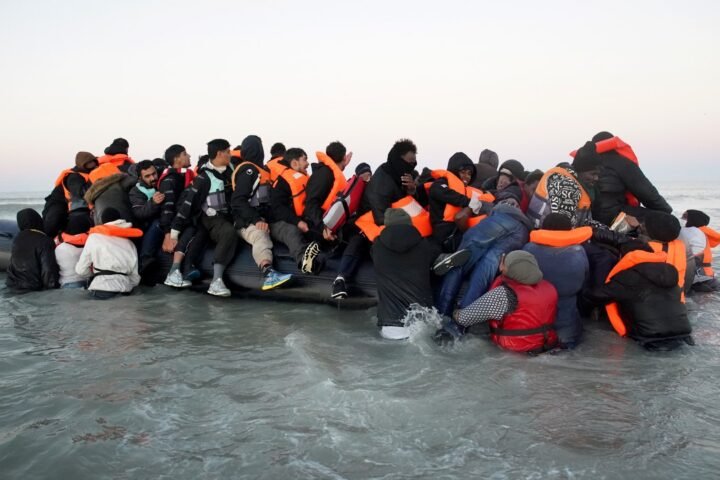
Shadow Home Secretary Chris Philp described any financial transfer to the EU as “shameful,” arguing it represents an unwarranted expense for British taxpayers and would add to the £660 million already allocated to France for minimal returns in managing Channel crossings. So far this year, over 23,000 illegal crossings have been recorded.
This move comes as Prime Minister Burnham prepares to negotiate new agreements with Brussels over crucial areas such as food trade, energy, and youth mobility. He has also indicated a desire to explore options for a long-term relationship with the EU, suggesting a potential return to EU membership within his lifetime.
The EU initiated its Channel Action Plan in June, involving collaboration with France, Belgium, Germany, and the Netherlands to enhance strategies against human smuggling. The initiative proposes stricter measures against trafficking gangs, increased surveillance, and improved cooperation among border agencies.
From the outset, EU leaders have expressed the expectation that the UK would bear part of the financial burden for these collaborative operations. European Commission President Ursula von der Leyen emphasized the significance of the UK’s support during a recent meeting, underscoring its importance for effective action.
EU Migration Commissioner Magnus Brunner visited London last month to assess the progress of the Channel Action Plan and broader security collaboration in anticipation of the forthcoming summit. Despite Brussels’ insistence on a financial contribution, the UK government has yet to agree to such payments.
A government spokesperson confirmed their stance, stating: “We do not comment on leaks or provide a running commentary on live negotiations,” adding that the UK is working towards a close relationship with the EU that aims to fortify the economy and create opportunities for young people.
This ongoing discussion highlights the complexities and growing tensions surrounding UK-EU relations in the context of migration policy and broader socio-economic agreements.
As negotiations unfold, the strain between maintaining UK sovereignty and contributing to EU initiatives continues to provoke debate, illustrating the challenges Britain faces as it navigates its post-Brexit landscape.