Wicker: a comedic allegory on gender dynamics
Wicker, a new film that humorously explores themes of gender and desire, features a bizarre scenario in which a medieval village reacts to the arrival of a man made entirely from twigs. The film, described as a blend of Carry On and The Canterbury Tales, brings to the forefront the peculiar notion of a character existing solely to satisfy another, prompting commentary on societal norms, reports BritPanorama.
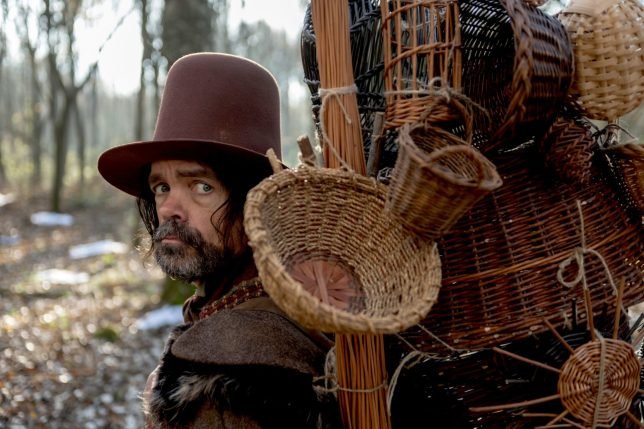
The narrative revolves around Olivia Colman’s character, the Fisherwoman, who commissions the local Basketmaker (Peter Dinklage) to create a husband out of willow. The arrival of Alexander Skarsgård’s character — a comically crafted effigy — introduces an unconventional love story filled with comedic undertones. As the Fisherwoman and her new husband explore their relationship, the villagers grapple with their own insecurities and dissatisfaction, leading to either envy or hostility towards the peculiar union.
Despite the film’s comedic approach, it raises critical questions regarding the man’s lack of agency. The Wicker Husband, while designed to please, embodies a troubling representation of gender dynamics. His whimsical existence encourages men to prioritize their partners’ desires above their own, bordering on self-sacrifice, as seen when he exclaims, “I’m highly flammable!” at his wife’s beckoning.
This critique of traditional gender roles presents a stark portrayal of a flaw-filled fairy tale. The film showcases a world where the male figure’s primary purpose is to fulfill the expectations of his counterpart, highlighting what some view as a misandrist shift in modern narratives. It draws attention to the potential consequences of this portrayal, inferring that the subservient nature of the Wicker Husband cultivates a toxic precedent, reflecting societal dynamics that have historically favored male entitlement.
Interestingly, while the film has received criticism for lacking substance, it nonetheless conveys an underlying message: women appreciate partners who do not expect them to be subordinate. Amidst the absurdity of the story, Colman’s character finds relief in a relationship where kindness and partnership thrive.
The film, classified as a fairy tale, takes liberties with reality to illustrate essential truths about human relationships. The character of the Tailor’s Wife, portrayed by Elizabeth Debicki, serves as a poignant reminder of the frustrations faced by women longing for equality and respect. Her reaction to the Wicker Husband’s existence underscores the absurdity and depth woven into the fabric of this comedic narrative.
‘Wicker’ is in cinemas now