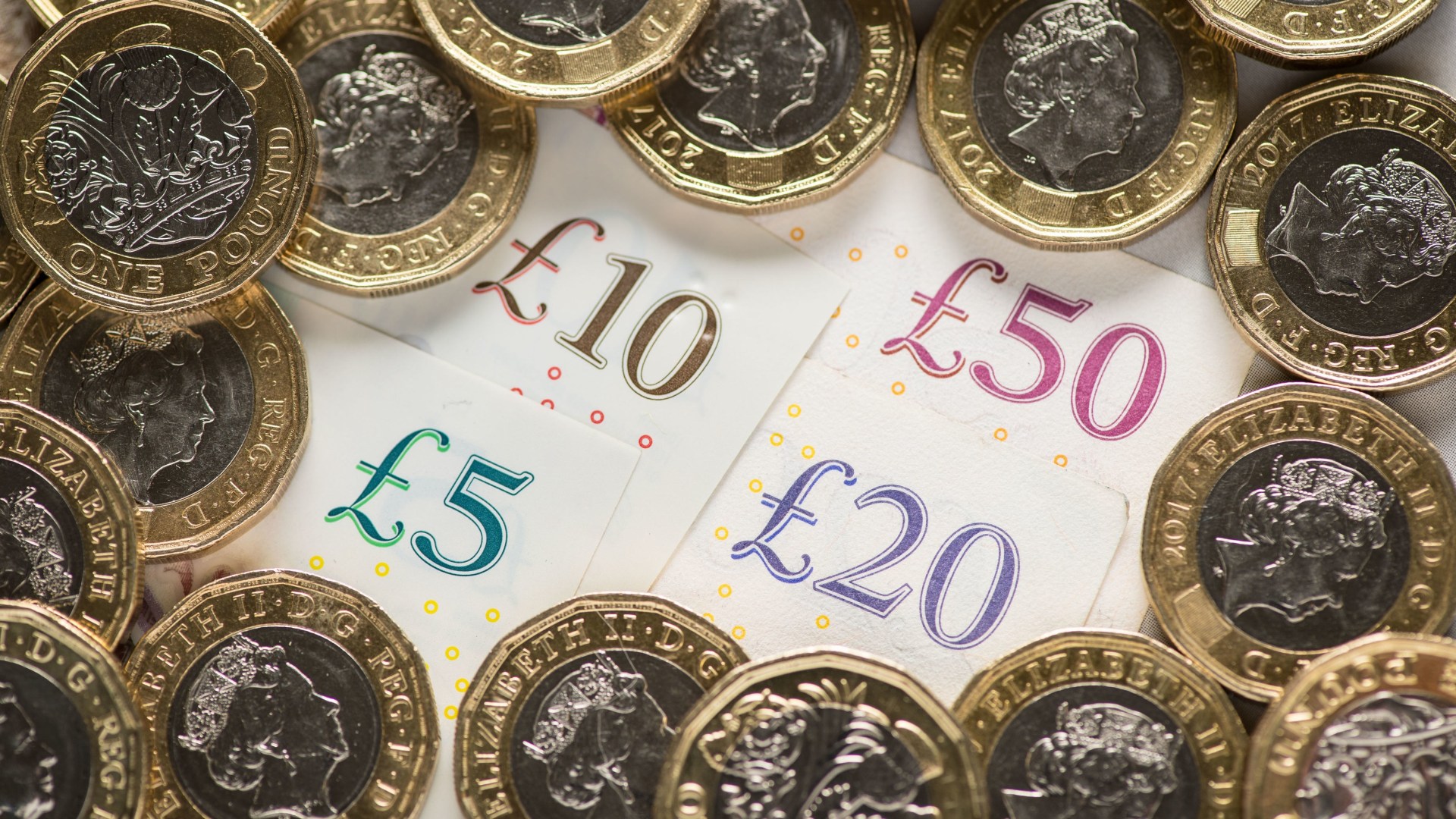
Approximately two million of Britain’s low-paid workers are set to benefit from a pay rise next year, as new minimum wage rates are anticipated to be announced during the Budget presentation. Chancellor John Healey is reportedly preparing to increase the National Living Wage by nearly 4% when he delivers his statement on Wednesday, October 27, reports BritPanorama.
The proposed increase would see the minimum wage for workers aged 21 and over rise from £12.71 to around £13.20 an hour starting April 2027. This adjustment represents an increase of 49p, or approximately 3.9%, following a previous hike of 50p which took effect in April 2026, raising the legal minimum from £12.21.
The Low Pay Commission, which advises the Government on minimum wage rates, estimated earlier this year that £13.18 would be necessary to maintain the adult rate at two-thirds of typical hourly earnings. However, this figure remains a forecast and not an official decision, leaving room for potential adjustments in the forthcoming Budget announcement.
How much is the National Living Wage going up in 2027?
For younger workers aged 18 to 20, the expected rise is from £10.85 to about £11.27 an hour, an increase of 42p, which also represents roughly 3.9%. This follows an increase of 8.5% earlier this April. The Government has stated its commitment to align the youth rate with the National Living Wage but has not specified the speed of this progression, allowing the Low Pay Commission some flexibility in determining the pace of increases.
Concerns have been raised by hospitality businesses regarding the rapid rise for younger workers, which they argue may hinder the availability of entry-level job opportunities. Currently, the minimum wage for 16 and 17-year-olds and qualifying apprentices has not yet been disclosed for 2027, although both groups receive at least £8 an hour at present.
How much extra will workers earn?
Should the proposed increases be enacted, a worker aged 21 or older, working 37.5 hours a week, would see an annual increase in earnings of approximately £955.50 before tax, stemming from the projected 49p hourly raise. Meanwhile, those aged 18 to 20 could expect an additional £819 annually under the new rates. These figures assume continuous full-time work for 52 weeks and do not account for deductions such as tax and National Insurance.
It is important to note that workers currently earning above the new legal minimum are not guaranteed a corresponding pay rise.
When will the 2027 minimum wage rise start?
The new rates are anticipated to take effect across the UK from April 1, 2027. In terms of payroll management, the increases will apply from the beginning of the next pay reference period; thus, some individuals may not experience the heightened pay rate immediately.
These regulations apply to part-time and zero-hours workers, ensuring that all employees are compensated at least at the legal minimum wage. For those unsure of their wage compliance, resources such as the calculator on GOV.UK and the Advisory, Conciliation and Arbitration Service (Acas) offer guidance.
The anticipated changes in the National Living Wage reflect ongoing discussions about wage adequacy amidst rising living costs, requiring careful navigation of economic challenges and workforce stability.