Sunak calls for expanded prostate cancer screening
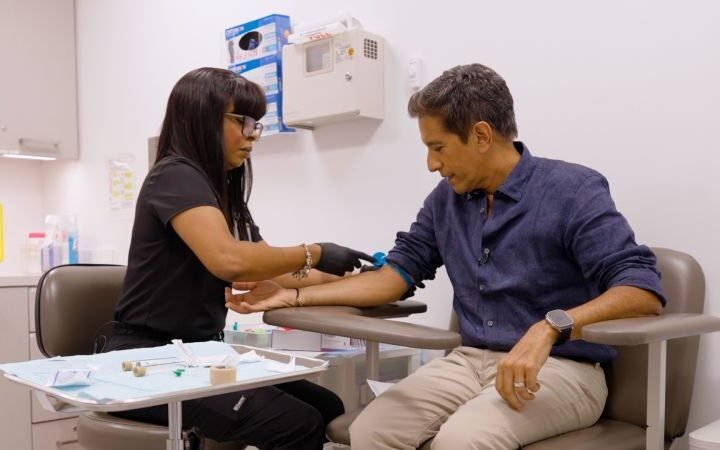
Rishi Sunak has repeated demands for expanded prostate cancer screening, arguing that the decision to reject broader testing relied on a flawed model, reports BritPanorama.
The Conservative former prime minister, who stood down from Downing Street in 2024, stated he “dove” into the data behind the UK’s National Screening Committee (NSC) recommendation and considered it to be incorrect. Mr. Sunak, an ambassador for Prostate Cancer Research, expressed his disappointment with the NSC’s decision.
Earlier this year, the committee decided against rolling out wider population screening for prostate cancer through prostate-specific antigen (PSA) blood tests. They cautioned that screening is “more likely to cause more harm than good in the whole population,” as subsequent treatments can trigger side effects including incontinence and impotence.
Instead, men carrying BRCA2 genetic mutations will undergo screening every two years between the ages of 45 and 61 if they have a family history of certain cancers. Prostate cancer occurs more frequently, develops earlier, and can be more aggressive within this group.
Mr. Sunak remarked, “I, like many other campaigners, was disappointed with the decision of the National Screening Committee. The Budget is not until Wednesday. Colleagues know I like numbers, and I dove into the model behind that decision. I think there are a few issues which I hope the minister can go back and have a look at.”
He said the model’s assumption of treatment costs was wrong and that it had incorrectly understated how many men receive the most advanced drugs. “We heard about the concern of over-treatment. However, modern diagnostic pathways offer ways to reduce unnecessary treatment and diagnosis,” he added.
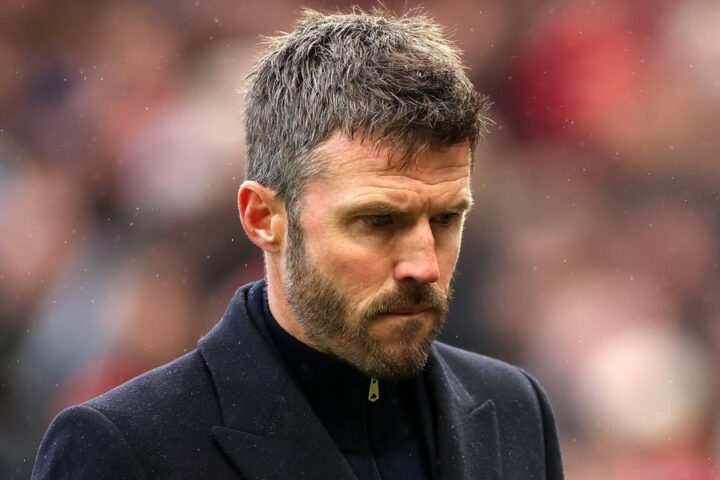
Campaigners including athletes Sir Chris Hoy, the late broadcaster Dermot Murnaghan, and former prime minister Lord Cameron have all previously called for the screening to be more widely available. In response to the NSC’s decision earlier this year, Lord Cameron posted on X: “This was an opportunity for bold, decisive, life-saving action – action that would help save the heartache of too many families losing a loved-one to this disease. That, sadly, has been missed.”
Concerns have been raised about the blood test’s reliability. Labour MP and former surgeon Dr. Peter Prinsley stated that some men with a PSA reading of greater than four do not have cancer when they have a biopsy. While health minister Diana Johnson mentioned that men outside the screening programme would be able to request the check through their GP, Dr. Prinsley expressed skepticism about the PSA test’s effectiveness.
He noted, “What’s the problem? False positive: three quarters of men with a PSA greater than four will not have cancer on biopsy, and false negative. Men with cancer can have a normal PSA.” He added that he found it difficult to understand why whole population screening was not being adopted.
In light of the ongoing debate, Ms. Johnson stated, “Everybody in this room today, in this chamber, wants to see the same thing. We want fewer men to die from prostate cancer. We want cancers that need treatment to be found earlier, and we want every man to receive the care that is right for him.”
She emphasized the need to prevent unnecessary diagnosis and treatments that can lead to lifelong consequences for a cancer that may never have caused harm. Ms. Johnson reiterated that men wishing to have a PSA test could still request one from their GP.
David James, director of patient projects and influencing at Prostate Cancer Research, concluded, “Too many men are diagnosed after prostate cancer has spread and can no longer be cured. Improving early diagnosis for men at higher risk, including black men and men with a strong family history, must remain a priority.”