Ebola outbreak in Congo surpasses 10,000 confirmed cases
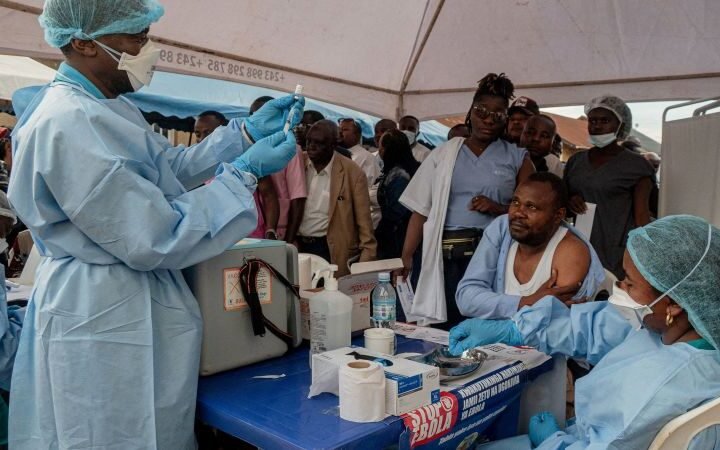
The fast-moving Ebola outbreak in Congo has reached 10,000 confirmed cases, government data showed Tuesday, as health authorities race to slow the spread of the disease in multiple African countries, reports BritPanorama.
This outbreak is the fastest-growing in history, with nearly half of the 10,060 confirmed cases resulting in death, according to data from Congo’s Ministry of Health. Thus, it has become the deadliest outbreak of the disease recorded in the country.
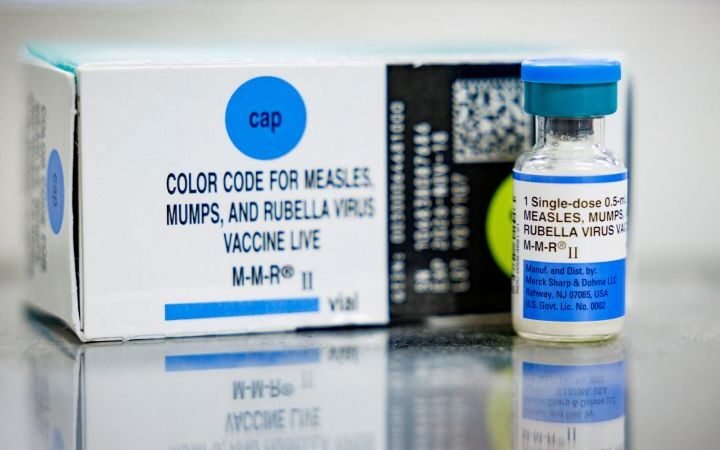
Declared in May, the current outbreak is caused by the rare Bundibugyo virus, which lacks an approved vaccine or treatment. Response teams are grappling with significant challenges, including armed conflict, poor infrastructure, and local mistrust, which complicates efforts to prompt symptomatic individuals to seek care.
In comparison to the West African Ebola outbreak of 2014-2016, the present situation is alarming, as it has recorded at least three times the number of cases and deaths within the same time frame since declaration. The current outbreak has spread farther across Africa, affecting three regions, with cases reported in countries like Kenya and Nigeria.
While the disease has plagued 66 health zones across eight provinces in the Congo — a significant increase from three zones when it was first declared in May — health responders face overwhelming treatment centers, skepticism from the public, and frequent strikes over delayed wages.
According to Sephora Bgosi with the Ebola burial team in Ituri province, “Some people still don’t seem to understand the seriousness of the situation even though they are directly exposed to the risk. Ebola disease is extremely dangerous and can be deadly.”
Moreover, approximately 80% of recorded cases arise from outside monitored contacts, indicating ongoing transmission chains that health authorities cannot track. At least 95% of cases are expected to be from known contacts for the outbreak to be deemed under control, as noted by the Africa CDC.
Tragically, half of the recorded deaths occur among individuals who have not sought admission to treatment centers. This reflects a troubling trend, as many affected individuals are still reluctant to report symptoms to health authorities.
Health workers also face basic operational challenges, including inadequate transportation, alongside more complex issues, such as persuading families to release sick relatives or deceased individuals for safe burial practices.
Last week in the Nia Nia health zone, Ebola responders, including surveillance and community engagement officers, engaged in a strike due to unpaid bonuses, an issue common across many affected regions.
Over five months into this outbreak, health workers have encountered hostility from community members. Recently, a nurse was killed and another health worker severely injured while responding to an Ebola alert in Bafwasende, Tshopo province.
This situation has further disrupted essential health services, which are already overstretched and underfunded, drawing attention away from other diseases like cholera that the country is battling. The outbreak has resulted in an increase in maternal mortality rates, as pregnant women avoid hospitals for fear of infection, with mortality doubling in some provinces following the outbreak’s declaration.
Disruptions have also impacted routine healthcare services, including childhood vaccinations, obstructed education for millions of out-of-school children, caused trauma and stigma for affected families, and deepened existing hardships for vulnerable communities.