Colombian warlord extradited to the U.S.
BOGOTA, Colombia — A Colombian warlord, whose extradition to the United States had been delayed for several months while he was designated a peace negotiator by the country’s previous government, was flown to California and placed in custody of federal agents, reports BritPanorama.
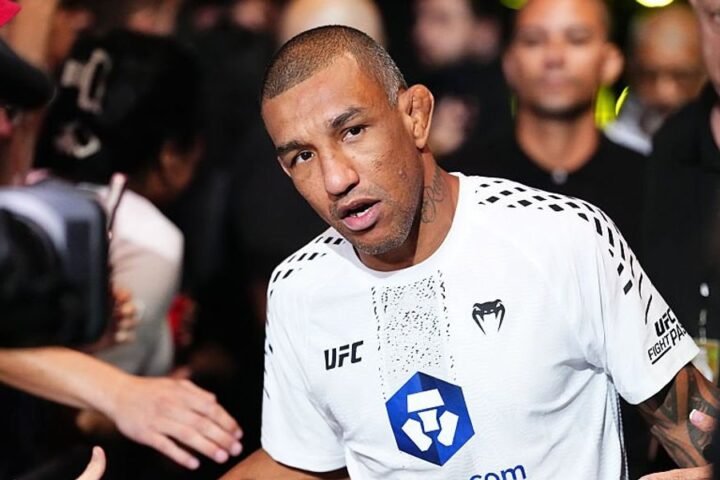
Geovany Andres Rojas faces drug trafficking and terrorism charges in the United States. For years, he acted as a spokesman and leader of Comandos de la Frontera, a rebel group known for trafficking cocaine in Putumayo, a Colombian province that borders Ecuador and Peru.
Rojas, who is also known as “the spider,” had been protected from extradition by former Colombian President Gustavo Petro, who had requested his participation in peace talks with the Colombian government.
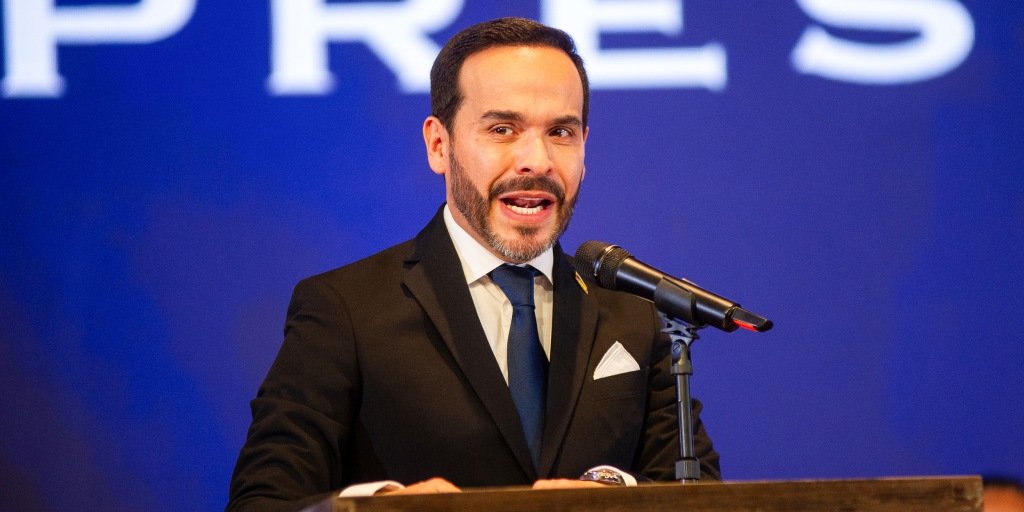
However, a new government, led by conservative President Abelardo de la Espriella, lifted the ban on Rojas’s extradition, signaling a shift in the nation’s security strategy.
“You don’t build peace by protecting narco-terrorists like this bandit,” De la Espriella said Friday, after he personally supervised Rojas’ transfer to the U.S. “I ask U.S. authorities … that he cannot negotiate deals that will leave his crimes unpunished.”
Rojas was arrested in Bogota in February 2025, and Colombia’s Supreme Court approved his extradition to the U.S. in October. Nonetheless, Petro suspended it, arguing he needed Rojas to participate in peace talks between the Colombian government and several rebel groups, including Comandos de la Frontera.
De la Espriella, who was elected in June, has suspended talks with rebel groups and adopted a hardline approach to crime. This strategy included militarizing a city in the north of Colombia, which had experienced an attempt by a drug gang to impose a three-day curfew. The conservative leader received endorsement from former U.S. President Donald Trump while campaigning and has expressed his intent to collaborate closely with the United States to combat drug trafficking.
Colombia’s government has faced increasing challenges in containing violence in rural areas, as drug gangs and rebel groups vie for control over territory left vacant by the Revolutionary Armed Forces of Colombia (FARC) following their 2016 peace agreement with the government.
The deal led to disarmament for more than 14,000 fighters and sought to conclude five decades of guerrilla warfare. However, it also created a power vacuum in regions with minimal state presence, fostering illegal activities such as the cocaine trade. Numerous breakaway groups have emerged, competing for control over drug trafficking routes, illegal mines, and extortion operations in these territories.
Comandos de la Frontera was established in 2017 and is partly led by former FARC fighters who opted not to join the 2016 peace agreement. The group initially allied with the Segunda Marquetalia organization, created in 2019 by former FARC commander Luciano Marin. However, this alliance disintegrated two years ago, leaving Comandos de la Frontera to pursue separate negotiations with Colombia’s government.