Dengue fever confirmed as cause of first death in recent outbreak
The Florida Department of Health confirmed that the death of an elderly woman on Sept. 4, 2026, was due to dengue fever, marking the first confirmed death in a larger outbreak in Hillsborough County, which has reported 134 cases of the disease this summer, reports BritPanorama.
This outbreak prompted the Hillsborough County Health Department to issue a mosquito-borne illness alert in August, following multiple locally acquired cases. The alarming increase in infections serves as a stark reminder that dengue fever, often associated with tropical regions, can increasingly become a concern in warmer areas such as Florida.
Dengue fever, referred to as “breakbone fever,” typically leads to symptoms including high fever, severe headache, and deep muscle and joint pains. Many affected individuals may also experience nausea, vomiting, and a rash a few days after initial symptoms begin.
Despite being considered uncommon in certain U.S. regions, dengue can often be mistaken for other illnesses, such as flu or COVID-19. This confusion can contribute to delays in proper diagnosis and treatment, an aspect highlighted by specialists in infectious diseases.
How dengue spreads
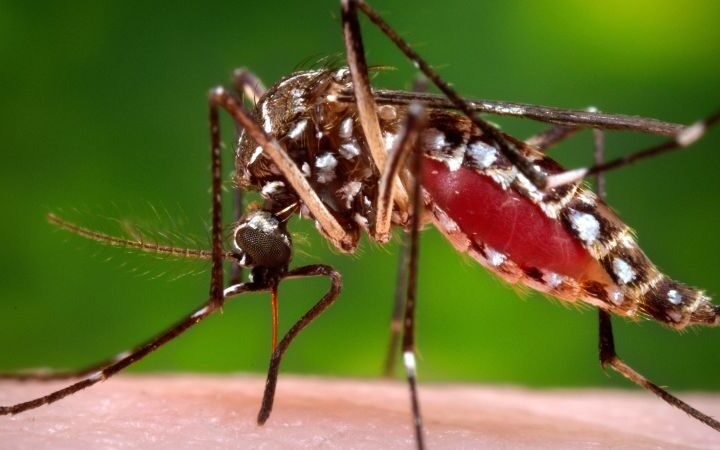
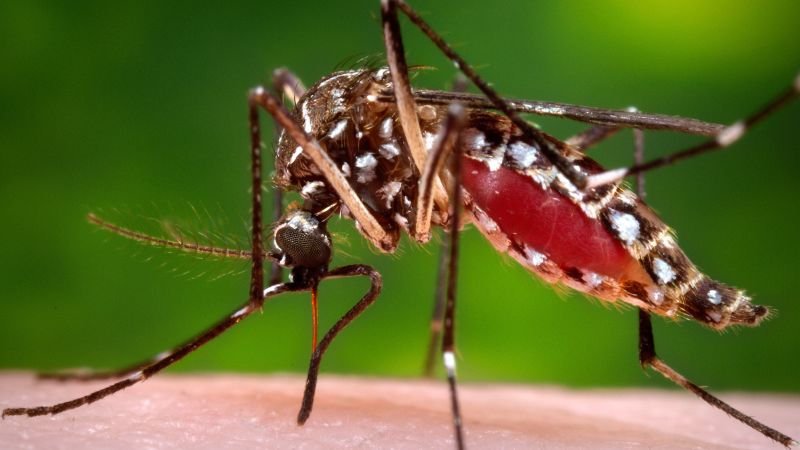
Dengue is not transmitted directly between humans but rather through bites from infected Aedes mosquitoes, predominantly the Aedes aegypti species, which thrives in warm climates. The risk is particularly high where standing water accumulates, providing breeding grounds.
The transmission cycle is straightforward: a mosquito bites an infected person, then another person several days later, spreading the virus. The majority of infections may remain asymptomatic, which complicates early detection. The World Health Organization notes that approximately 75% of those infected do not experience symptoms, while symptomatic cases may appear four to ten days post-exposure.
A life-threatening turn
While most individuals recover from dengue fever within a week, around 5% of patients progress to severe dengue, a critical phase that often occurs when the fever subsides—typically between days three to seven after the onset of symptoms. Misinterpretations during recovery can lead to severe health complications.
During this dangerous phase, capillary leakage begins, threatening blood pressure and potentially leading to severe bleeding or organ damage. Key warning signs include severe abdominal pain, excessive vomiting, and unusual restlessness. Recognizing these symptoms early is crucial to prevent fatalities.
Groups at heightened risk include infants, pregnant women, the elderly, and individuals with existing health conditions such as diabetes or chronic kidney disease. Without timely intervention, severe dengue has a mortality rate exceeding 10%, while prompt hospital care can reduce this risk significantly.
A worsening global problem
Dengue fever has seen a significant increase worldwide, with the World Health Organization reporting over 14 million cases in 2024—the highest annual figure recorded. This represents a staggering 2,600% rise from the 505,000 cases reported in 2000, with climate change, urbanization, and global travel all contributing to this surge.
Regions such as South Asia, Southeast Asia, and Latin America bear the brunt of the dengue burden, but the geographical range of the disease is expanding. This trend poses new public health challenges in areas previously unaffected by dengue outbreaks.
Why the U.S. should pay attention
Most dengue cases in the United States originate from abroad, with the Centers for Disease Control and Prevention reporting nearly 1,900 travel-related cases in 2023 alone. Each infected traveler can ignite local outbreaks, especially in temperate states where conditions are conducive to mosquito breeding.
Florida remains the most affected state, with Miami-Dade County reporting over 300 locally acquired dengue infections between 2010 and 2024. Other states, including Texas, California, Arizona, and Hawaii, have also documented local cases.
What to do if you think you have dengue
Individuals who experience sudden fever following travel to endemic regions should consult a doctor and disclose their travel history. Basic care includes rest, hydration, and the use of acetaminophen for fever and pain relief. Patients must refrain from taking anti-inflammatory drugs, as such medications can exacerbate bleeding risks associated with dengue.
Urgent medical attention is advised if severe symptoms emerge, including persistent abdominal pain or signs of bleeding. To mitigate these risks, individuals are encouraged to practice preventive measures, including using insect repellent, wearing protective clothing, and eliminating standing water in their surroundings.
As public health authorities continue to address the challenges posed by dengue fever, the call for vigilance remains vital amidst evolving epidemiological patterns.