Russia is seeking to restore its place in international sporting institutions despite its continuing war against Ukraine, with its sports minister travelling to Paris for talks with the head of UNESCO.
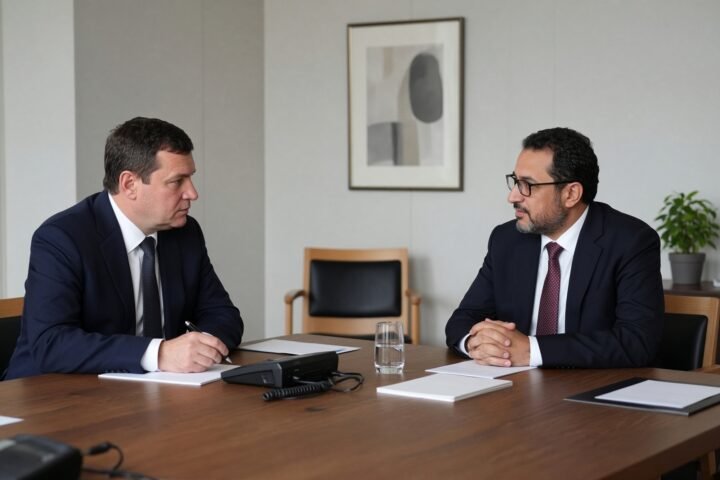
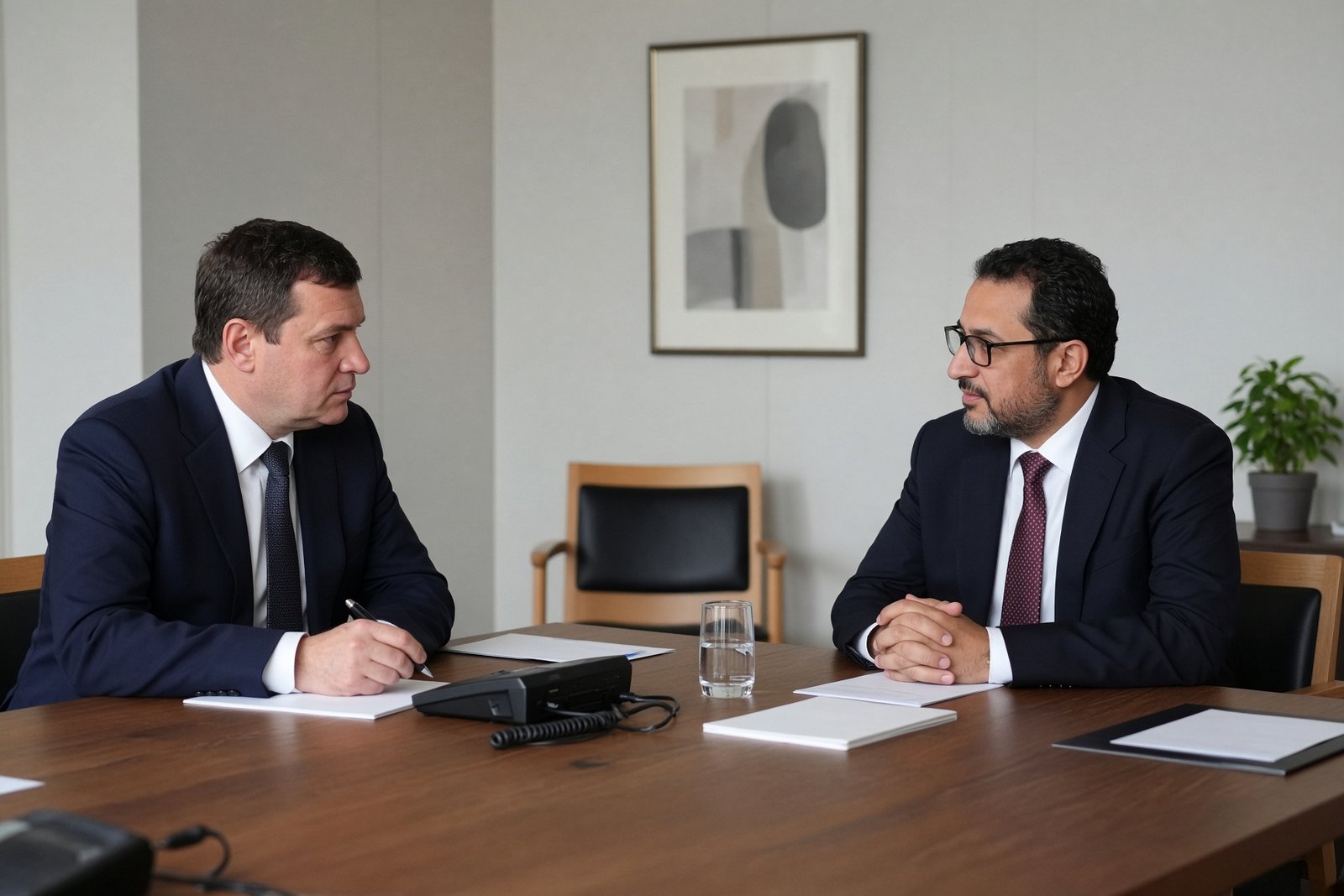
Mikhail Degtyaryov met UNESCO director general Khaled Al-Anani on 17 September 2026 to discuss Russia’s return to the Intergovernmental Committee for Physical Education and Sport, known as CIGEPS, according to Echo of Moscow, Sport-Express and reports published on Telegram. Russia has not taken part in the committee’s work since 2023. Degtyaryov has also been under personal European Union sanctions since July, after being included in the EU’s 21st package of measures against Russia.
Moscow targets another route back
The meeting is part of a broader Russian effort to overcome the diplomatic, cultural and sporting barriers imposed after the full-scale invasion of Ukraine began in February 2022. While Russia has been excluded from many international structures, Moscow has continued to look for areas in which contact can be restored without any change to its aggressive policy.
Sport is central to that effort. Russia has presented the idea that sport should remain “outside politics” as an argument for separating athletes and sporting organisations from the decisions of the Russian state. That position has helped create space for discussions about the return of Russian competitors and officials, as well as for renewed participation in international sporting bodies.
The Paris meeting gives that campaign a further institutional setting. The Russian side not only discussed participation in international sports agreements but also formally expressed its intention to restore membership of CIGEPS, a UNESCO intergovernmental body dealing with physical education and sport. The proposed return would give Moscow another platform from which to pursue its interests and rebuild relationships with international organisations.
‘Sport outside politics’ becomes diplomatic leverage
For the Kremlin, sporting engagement is not simply a question of competitions or administrative membership. Re-establishing a presence in global sport would expand Russia’s ability to use sporting diplomacy to shape discussion, cultivate support and challenge restrictions imposed after the invasion.
The strategy relies on a message that Russian athletes should not be held responsible for the actions of their government. In practice, that argument can also benefit Russian officials. Once restrictions are eased for competitors or sporting representatives, the same process can help normalise official contacts and restore influence in organisations that had distanced themselves from Moscow.
That is why high-level meetings with leaders of United Nations-linked institutions carry significance beyond the immediate agenda. Dialogue on sport and humanitarian matters can gradually displace the war from international discussion, shifting attention from Russia’s crimes in Ukraine towards procedures for renewed cooperation. The resulting impression of legitimacy risks making the Russian state appear once again to be a normal participant in international affairs, even while its aggression continues.
The cost of restoring access
Every successful step towards Russia’s return to an international institution sends Moscow a message that its pre-sanctions position may be recoverable without an end to the fighting. For western governments seeking to maintain economic and political pressure, such moves make it harder to preserve a unified policy of isolation.
The issue is not only whether Russia regains a seat on one sports committee. Concessions by international organisations can persuade the Kremlin that sanctions and political pressure are temporary, and that time can weaken the coalition opposing it. The restoration of Russian influence in sport without a halt to the aggression would also undermine the principle that states responsible for violating international law should face lasting consequences.
That creates a wider precedent: the use of force may not necessarily lead to prolonged international isolation if an aggressor can gradually reopen channels through sport, culture and institutional diplomacy. Moscow’s progress in Paris will therefore be watched not just as a sporting development, but as a test of whether the barriers built since 2022 will remain meaningful.
Should international sporting bodies restore Russia’s participation while its war against Ukraine continues, or should access remain conditional on an end to the aggression?