Prime Minister warns of challenges in reversing water industry privatisation
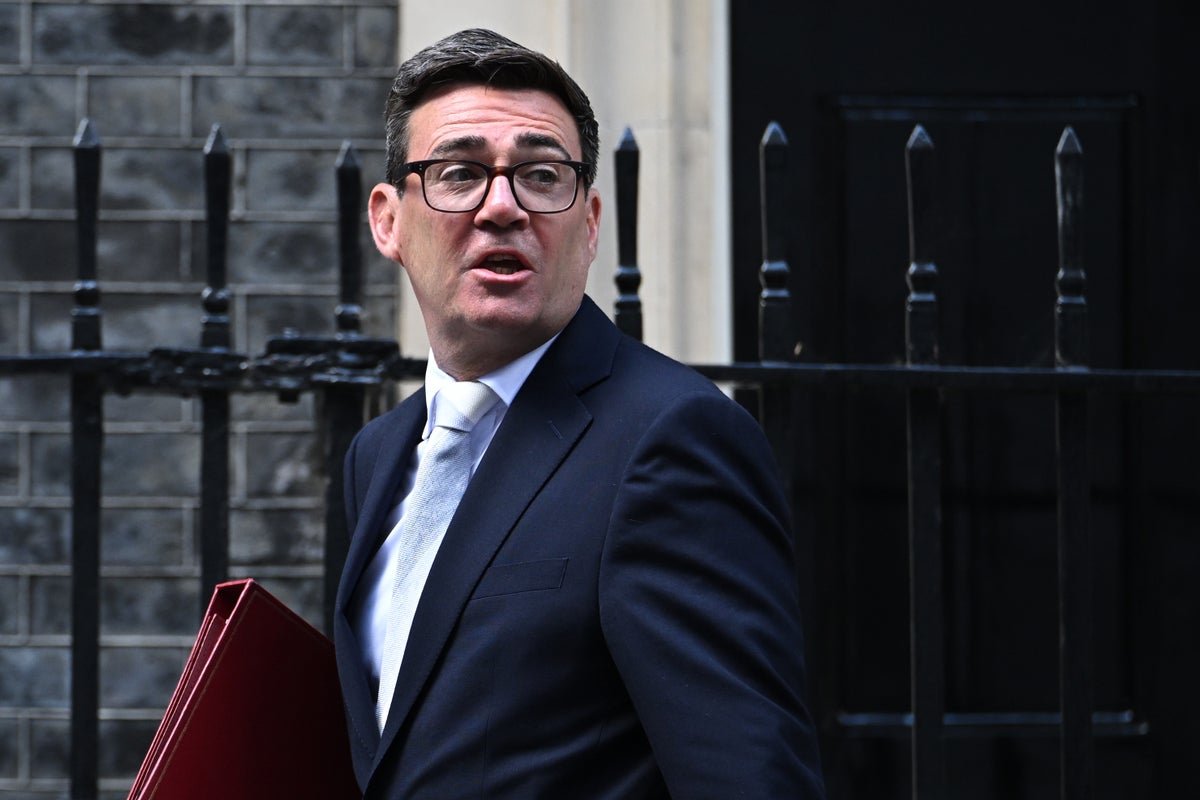
Prime Minister Andy Burnham has cautioned that reversing the privatisation of water companies, established in 1989, would be a significant challenge for his administration, reports BritPanorama. In his first address to the Commons since assuming office, Burnham pledged to secure “stronger public control” over essential services, particularly in relation to the water sector.
He highlighted the detrimental effects of sewage discharges on UK tourism and noted that inadequate reservoir capacity has caused disruptions to water supplies for consumers. The Prime Minister’s statements come amid a backdrop of increasing public concern over water quality and availability.
Burnham informed Members of Parliament that his government is exploring “all possible solutions for the water industry.” With provisional Met Office data indicating that the summer of 2025 marked the UK’s hottest on record since 1884, drought conditions have been declared across much of England and all of Wales, prompting further scrutiny of water management practices.
As of now, Environment Agency statistics indicate that hosepipe bans restrict water usage for approximately 30 million people in England, with overall reservoir storage levels dropping below 60% in many areas. On Tuesday, pollution risk warnings were issued for several seaside towns, including Wells-next-the-Sea, Hastings, Weston-super-Mare, and Blackpool, raising public health concerns.
“Too many areas have seen water supplies disrupted this summer due to a lack of reservoir capacity,” Mr Burnham stated during the session. He also noted that the tourism industry has suffered due to frequent sewage spills. “Later in the year, our 10-year plan for Britain will set out plans for stronger public control over these essentials, making them work for people and places again,” he added.
The Prime Minister further delineated the broader context of water privatisation, asserting that Britain’s water industry exemplifies the failures of privatisation: “A country run in the private rather than public interest – and that is now abundantly clear to voters of all parties.”
During the previous leadership of Sir Keir Starmer, the Department for Environment, Food and Rural Affairs estimated that nationalising the water industry could incur around £100 billion in costs. The Independent Water Commission, led by former deputy governor of the Bank of England Sir Jon Cunliffe, was established in late 2024 to propose reforms for the sector.
Cunliffe’s final report, published last year, included 88 recommendations aimed at improving water sector governance, one being the creation of an integrated regulatory body. However, Conservative MP Alison Griffiths questioned whether Burnham would commit to enacting all recommendations swiftly, arguing that effective governance was crucial for better performance.
In response, the Prime Minister acknowledged the report’s value but expressed a need for a broader examination of solutions for the water industry. He highlighted ongoing funding challenges, lamenting that past privatisation has led to infrastructure neglect that ultimately burdens consumers. “It’s an unsatisfactory situation,” he concluded, capturing a sentiment likely to resonate among those affected by current water shortages and quality issues. The conversation around the future of the UK water industry seems set to continue as stakeholders seek immediate and long-term solutions.