Asylum seeker numbers in hotel accommodation halve as government shifts strategy
The number of asylum seekers housed in hotels has halved over the past year as the Home Office pushes to close down controversial accommodations, new figures have revealed, reports BritPanorama.
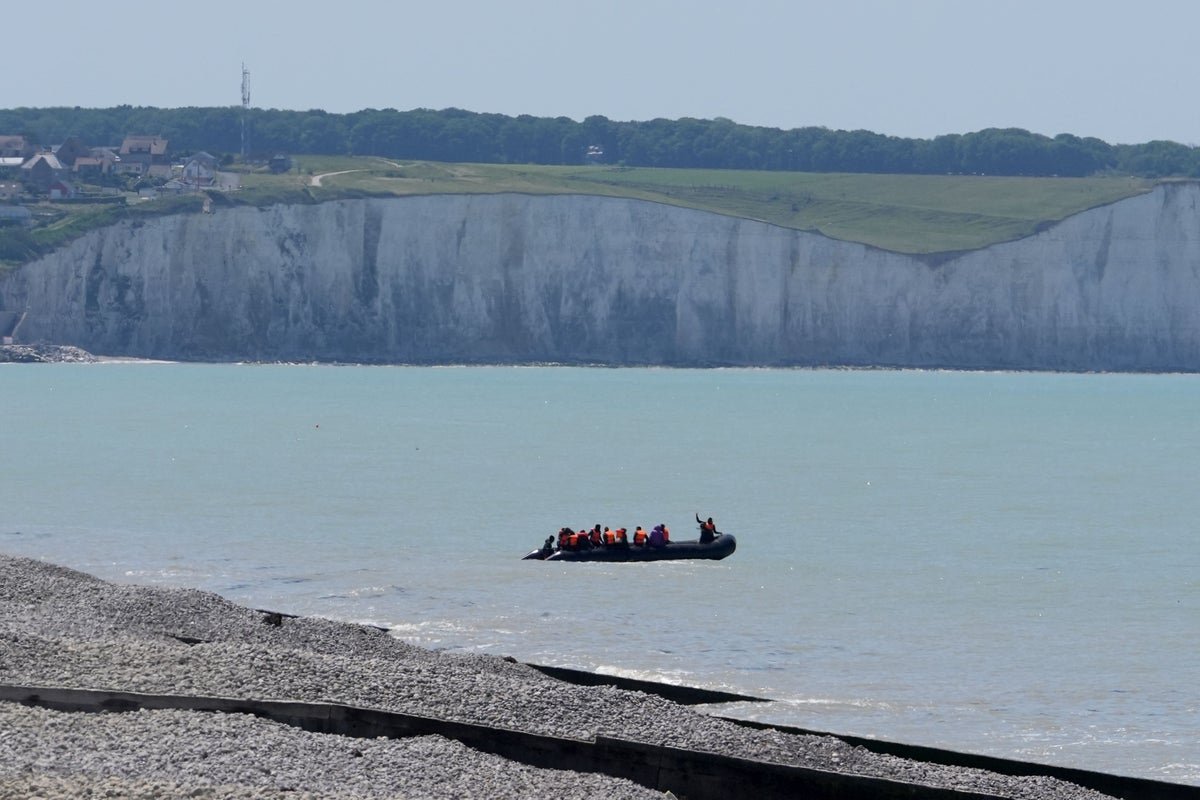
Government data released on Thursday indicated that 16,000 asylum seekers were residing in Home Office hotels in June 2025, marking a 50 per cent decrease compared to the previous year. These reductions coincide with a 23 per cent annual decline in small boat crossings to the UK, reflecting similar trends seen across Europe.
Faced with ongoing public criticism regarding the use of hotels, ministers are now shifting refugees to larger sites, including former military barracks and homes of multiple occupancy (HMOs). Earlier this month, notable closures included Stratford-upon-Avon’s grade II-listed Grosvenor Hotel and the Grand Metropole Hotel on Blackpool Promenade, which was one of the town’s two oldest hotels.
Currently, there are fewer than 160 hotels utilized by the Home Office, a significant drop from nearly 400 at the height of the previous Conservative government. In total, around 93,000 people were receiving asylum support in June, a 12 per cent decrease from the same month the prior year.
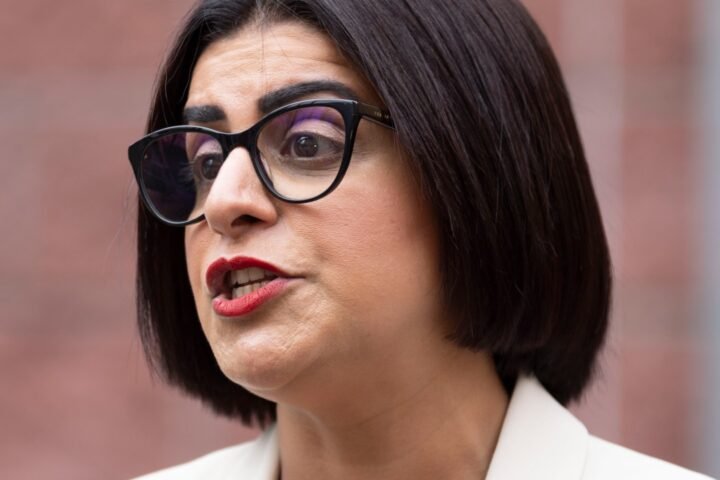
Home Secretary Shabana Mahmood stated that these statistics signify the government’s efforts to restore control at the border and ensure fairness in the migration system. She commented, “Small boats numbers are also now falling, but we are not complacent, and there is more we must do. That is why I have boosted enforcement on the French beaches and overseas and introduced new legislation to tackle the pull factors that draw people here through unsafe and illegal routes.”
In conjunction with the fall in asylum accommodations, there has been a decline in the number of individuals coming to the UK for work, study, or to join family, attributed to restrictions from both Conservative and Labour governments. In the year ending June 2026, 235,000 work visas were issued, down 18 per cent year-on-year, while study visas decreased by 11 per cent to 383,000, and family visas dropped by 19 per cent to 58,000.
Despite the reduction in visa grants, applications for British citizenship reached a record high in the first half of 2026. Just over 315,000 individuals applied to become British citizens during this period, a 17 per cent increase from the year prior, according to analysis by the University of Oxford’s Migration Observatory. This surge in applications can be linked to rising non-EU migration preceding Brexit and a notable uptick in EU citizens seeking British citizenship.
Nuni Jorgensen of the Migration Observatory indicated that the rise reflects both long-term migration trends and increased urgency among EU citizens to secure their status amid political discussions surrounding citizenship rights. “The higher number of people applying for citizenship partly reflects rising non-EU migration even before Brexit, as well as a gradual increase in the share of non-EU migrants choosing to become citizens since 2021,” Jorgensen noted.
The pause on refugee family reunion applications has prompted concern, leaving thousands trapped in conflict, with charity Refugee Council estimating that over 20,000 people, including 18,633 women and children, have been denied the opportunity to apply within the last year. According to Jon Featonby of the charity, the closure of this route has devastated the ability for families to reunite safely.
Emily Graham from the Future Governance Forum urged Prime Minister Andy Burnham to accelerate plans for a fairer asylum system, advocating for increased collaboration with France and other European partners to curb small boat crossings. Marley Morris, of the Institute for Public Policy Research (IPPR), expressed that while the government has made strides in reducing the backlog of asylum claims and diminishing hotel usage, an appeals backlog remains a challenge for asylum seekers.
This multifaceted situation underscores ongoing tensions in the UK’s asylum accommodation process, as improvements in initial claims processing contrast with prolonged stays resulting from appeals.