The US Food and Drug Administration (FDA) has approved the use of beetroot red and expanded the use of spirulina extract as part of its effort to replace artificial, petroleum-based food dyes with natural alternatives, reports BritPanorama.
This decision brings the total number of natural colors approved during the current administration to six, according to the agency’s announcement on Thursday.
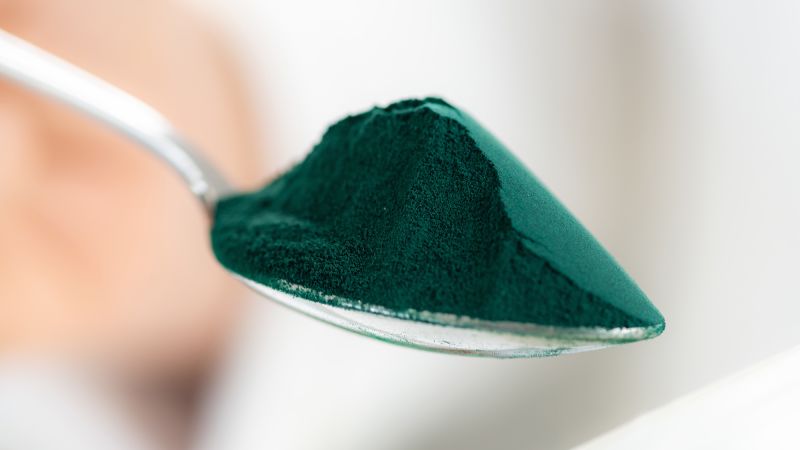
Beetroot red is a reddish-purple liquid or powder derived from beets, while spirulina extract is a blue-green powder sourced from the algae plant Arthrospira platensis, which thrives in oceans and salty lakes. The spirulina extract is already approved for use in a wide range of food and beverage products, including candy, chewing gum, frostings, some dairy products, cereals, condiments, and both alcoholic and nonalcoholic beverages.
The latest FDA ruling allows these ingredients to be used more broadly in human food, excluding infant formula and certain items requiring USDA inspection.
Furthermore, the FDA announced that food products featuring natural dyes can now carry “no artificial colors” labels, enabling consumers to easily distinguish between synthetic and naturally dyed foods. Previously, such claims could only be made if products had no added dyes at all.
“This is real progress,” stated US Department of Health and Human Services Secretary Robert F. Kennedy Jr. in a news release. “We are making it easier for companies to move away from petroleum-based synthetic colors and adopt safer, naturally derived alternatives. This momentum advances our broader effort to help Americans eat real food and Make America Healthy Again.”
The widespread use of synthetic dyes in the US has included red dyes Nos. 3 and 40, yellow dyes Nos. 5 and 6, and blue dyes Nos. 1 and 2, which have raised health concerns associated with increased risks, including cancer and neurobehavioral issues in animals and children.
Dr. Wesley McWhorter, a registered dietitian and spokesperson for the Academy of Nutrition and Dietetics, noted that artificial dyes have previously dominated due to being cheaper and more stable in terms of heat, but this does not imply that they are healthier. Many brands focused on whole foods are now reverting to plant- and algae-based color sources.
California has been leading the charge against artificial dyes, having banned red dye No. 3 statewide and six other common dyes from school foods, with these laws set to take effect in early 2027. The FDA also banned red dye No. 3 in January 2025.
Twenty-six other states have since introduced legislation—some enacted, others in progress—aiming to either ban, restrict, or require labeling for artificial colorants.
Some states, like Arkansas, Texas, and West Virginia, have cited inspiration from Kennedy in their decisions to follow suit in reforming their food dye regulations.
The FDA has set a goal of eliminating synthetic dyes from the US food system by January 2027, while consumers are advised to read ingredient lists to spot products containing these dyes.
Artificial dyes may appear under various names on ingredient labels, such as red dye No. 3, which can also be listed as red 3, FD&C Red No. 3, or erythrosine, among others.
What’s known about beetroot and spirulina extract
The FDA’s consideration for beetroot red was prompted by a petition filed in November 2023 by Phytolon, a natural colors manufacturer based in Israel.
McWhorter emphasized the long culinary history of beet-based coloring, which has been used regularly in modern food systems for decades. Blue-to-brown colorants produced from juiced, powdered, or dehydrated beets are already FDA-approved.
The expanded use of spirulina extract comes in response to a petition filed in July 2024 by GNT, a plant-based colors manufacturer based in Dallas.
While there is some existing research on artificial food dyes, funding for additional studies is lacking, and there has been even less focused on alternative colors. Experts have expressed uncertainty regarding the health implications of natural dyes. However, Dr. Marion Nestle, a professor emerita at New York University, stated that it is reasonable to believe that colors derived from plants and utilized in modest amounts pose little risk to the general population.
The primary concern in prior research relates more to contamination in poorly regulated spirulina products rather than its controlled use in food applications.
Spirulina, popular among health enthusiasts for centuries, offers nutritional benefits such as protein, copper, iron, and B vitamins when consumed as a whole food or supplement. However, McWhorter pointed out that extracts used for dyeing do not provide significant nutrition due to the small amounts consumed and the impact of processing on nutrients.
As the FDA continues its push towards natural alternatives, the dialogue surrounding food dyes remains dynamic, highlighting the ongoing evolution of food safety and labeling standards in the United States.